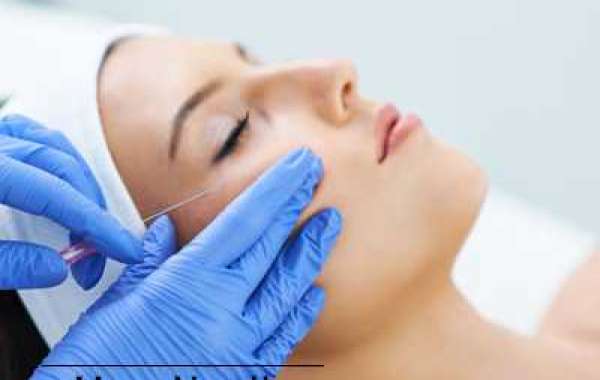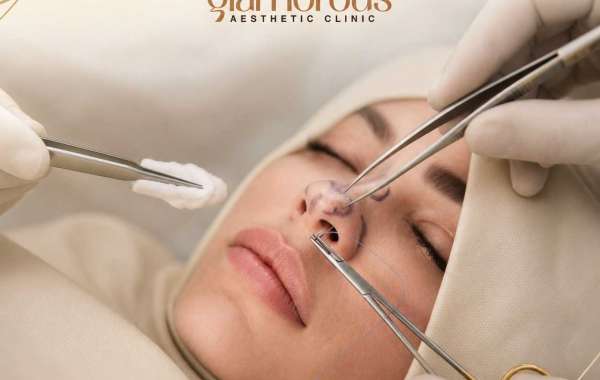

Choosing to have rhinoplasty is a big decision, and getting good results depends on more than the surgeon's skill. What you do in the weeks before and after the operation also matters. Smoking, certain medications, and strenuous activity can all affect healing. This guide covers what to avoid at each stage so you can recover safely and get the results you want.Always follow your own Rhinoplasty in Islamabad instructions first. Every patient's health history and surgical plan is different, and what follows is general guidance.
Why Your Habits Matter?
Rhinoplasty reshapes the bone, cartilage, and soft tissue of the nose. The nose has a rich blood supply, so anything that thins the blood, raises blood pressure, or slows tissue repair can increase bruising, swelling, bleeding, and the risk of complications. Taking these precautions seriously is one of the best ways to protect your investment in the procedure.
What to Avoid Before Rhinoplasty Surgery?
Smoking and Nicotine Products
Smoking is probably the single most important thing to stop. Nicotine narrows blood vessels and reduces the oxygen reaching healing tissue, which can lead to poor wound healing, skin damage, and infection. This applies to cigarettes, shisha, vaping, nicotine patches, and chewing tobacco or naswar.
Most surgeons ask patients to stop at least four to six weeks before surgery and to stay nicotine-free through recovery. If you find quitting hard, tell your surgeon early so they can help you plan.
Blood-Thinning Medications and Pain Relievers
Aspirin, ibuprofen, naproxen, and similar anti-inflammatory drugs interfere with clotting and can cause heavier bleeding during and after surgery. Many surgeons ask patients to avoid them for around one to two weeks beforehand. If you need pain relief in that window, ask your surgeon which options are safe. Paracetamol is commonly preferred, but confirm this first.
Never stop a prescribed medication, such as a blood thinner or blood pressure drug, on your own. Share your complete medication list with your surgeon and follow their guidance.
Herbal Supplements and Vitamins
Natural does not always mean safe before surgery. Some supplements affect bleeding or interact with anesthesia, including:
- Fish oil and omega-3 capsules
- Vitamin E
- Garlic, ginger, and ginkgo biloba supplements
- Green tea extract
- St. John's Wort
- Ginseng
Tell your surgeon about everything you take, including traditional or home remedies, so they can advise you on when to stop.
Alcohol
Alcohol can thin the blood, dehydrate you, and interact with medications. Most surgeons recommend avoiding it for at least a week before surgery, and longer if advised.
Skipping the Pre-Surgery Instructions on Eating and Drinking
You will usually be told to fast for several hours before general anesthesia. Eating or drinking during this period can cause serious complications, and your surgery may be postponed. Follow the fasting instructions exactly.
Sun Exposure and Skin Irritation
Sunburn, facial treatments, and harsh skincare products can irritate your skin before surgery. Avoid peels, waxing near the nose, and strong exfoliants in the weeks beforehand. If you have an active breakout, cold, or infection near the surgery date, tell your surgeon.
Unrealistic Expectations and Rushed Decisions
This is not a physical precaution, but it matters just as much. Avoid choosing a surgeon based only on price or social media photos. Look for a qualified, experienced specialist, ask to see realistic before-and-after results, and make sure you understand what can and cannot be achieved with your nasal structure.
What to Avoid After Rhinoplasty Surgery
The first two weeks are the most delicate period, but the nose continues to heal for many months. Take it easy and be patient.
Blowing Your Nose
Do not blow your nose for the period your surgeon specifies, often at least a week or two. Blowing can cause bleeding and put pressure on healing structures. If you need to sneeze, keep your mouth open to reduce pressure on the nose.
Strenuous Exercise and Heavy Lifting
Avoid gym workouts, running, heavy lifting, and anything that raises your heart rate or blood pressure for at least three to four weeks, or as long as your surgeon advises. Increased blood pressure can trigger bleeding and worsen swelling. Light walking is usually encouraged to promote circulation and lower the risk of blood clots.
Contact Sports and Risky Activities
Contact sports such as cricket, football, and martial arts can cause serious damage if the nose is hit. Many surgeons advise waiting around six to eight weeks, sometimes longer, before returning to them. Even a minor knock can undo your results.
Wearing Glasses on the Nose
Heavy frames resting on the nose can press on the bridge and shift the healing bone and cartilage. Your surgeon may ask you to avoid glasses for several weeks. If you need them, ask about taping them to your forehead or using contact lenses instead.
Lying Flat
Keep your head elevated, ideally on two or three pillows or in a reclined position, for the first week or two. This reduces swelling and helps drainage. Avoid sleeping on your side or stomach, where your nose could be pressed or bumped.
Hot Showers, Saunas, and Steam
Heat widens blood vessels, which can increase swelling and bleeding. Stick to lukewarm showers and keep the splint and dressings dry. Skip saunas, steam rooms, and hot baths until your surgeon clears you.
Smoking and Alcohol
The ban on nicotine continues after surgery. Smoking slows healing and raises the risk of complications. Alcohol can worsen swelling and interact with pain medication, so avoid it until your surgeon says otherwise.
Aspirin and Anti-Inflammatory Painkillers
Continue avoiding aspirin and anti-inflammatory drugs after surgery unless your surgeon approves them. Use only the pain relief they prescribe or recommend.
Excessive Facial Expressions and Touching
Smiling widely, laughing hard, and pulling on your upper lip can strain the tissues around the nose in the early days. Do not press, pick, or poke at your nose, and avoid rubbing the area while it heals.
Direct Sun Exposure
Sunburn on a healing nose can cause lasting discoloration and prolonged swelling. Protect your nose with a wide-brimmed hat and, once your surgeon approves, a gentle sunscreen. Avoid prolonged sun exposure for several months.
Skipping Follow-Up Appointments
Follow-up visits let your surgeon check your healing, remove the splint at the right time, and spot problems early. Missing them can delay the detection of issues such as infection or asymmetry.
Judging the Results Too Early
Swelling and bruising are normal and can make your nose look larger or uneven at first. Most visible swelling settles within a few weeks to months, but subtle swelling, especially at the tip, can last up to a year. Avoid comparing your progress with others or panicking over day-to-day changes.
When to Call Your Surgeon Right Away
Contact your surgeon immediately if you notice any of the following:
- Heavy bleeding that does not stop
- Fever or signs of infection, such as increasing redness, warmth, or discharge
- Severe pain not relieved by prescribed medication
- Difficulty breathing
- Sudden, one-sided swelling
Choosing the Right Care for Rhinoplasty in Islamabad
The quality of your surgeon and the clinic's aftercare make a big difference to your recovery. When researching options for rhinoplasty in Islamabad, look for a board-certified plastic or ENT surgeon with extensive nasal surgery experience, a clear consultation process, and a well-equipped, hygienic facility. A good clinic will give you written pre- and post-operative instructions, be available for questions, and schedule proper follow-ups.Ask practical questions during your consultation. How long is the recovery? When can you return to work? What should you avoid, and for how long? A surgeon who answers openly and sets realistic expectations is usually a good sign.
Final Thoughts
A successful rhinoplasty depends on preparation as much as surgery. Before the operation, avoid smoking, blood-thinning medications and supplements, alcohol, and unrealistic expectations. Afterward, avoid blowing your nose, strenuous activity, heat, sun exposure, trauma to the nose, and missed appointments.Following these precautions helps reduce the risk of complications, speeds up healing, and gives you the best chance of results you will be happy with. If you are considering rhinoplasty in Islamabad, book a consultation with a qualified surgeon, bring your questions, and make sure you fully understand your pre- and post-surgery instructions before you go ahead.
Read More :
https://instaconnect.co//read-blog/147749