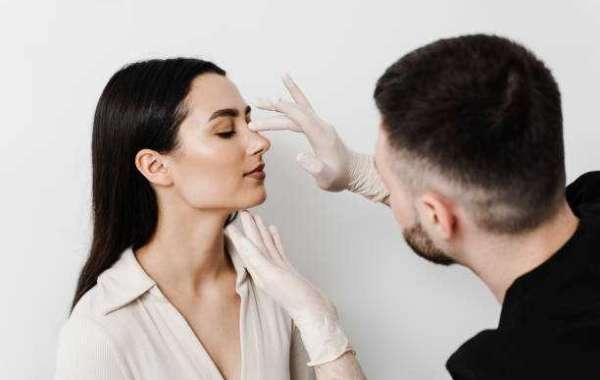

The nose plays an important role in overall facial balance, and even subtle differences in its shape can affect how the entire face appears. Nasal asymmetry, uneven contours, or proportions that do not complement other facial features may make some people consider surgical correction. Rhinoplasty in Riyadh (سعر عملية تجميل الانف في الرياض) can be used to address selected structural and aesthetic concerns by reshaping the nose according to the patient's anatomy and facial proportions. Understanding how rhinoplasty approaches asymmetry can help patients develop realistic expectations before treatment.
Understanding Nasal Asymmetry
Nasal asymmetry occurs when one side of the nose differs from the other in shape, size, position, or structure. Minor asymmetry is extremely common because the human face is naturally not perfectly symmetrical.
Common Signs of Asymmetry
Asymmetry may appear as an uneven nasal tip, differences between the nostrils, a crooked bridge, or one side of the nose appearing wider than the other. In some cases, the nose may also be slightly shifted toward one side of the face.
Causes of Nasal Asymmetry
Nasal asymmetry can result from natural development, previous injury, changes in cartilage, or structural differences within the nose. Previous surgery can also contribute to unevenness in some cases.
How Rhinoplasty Can Improve Nasal Proportion
Rhinoplasty can modify different parts of the nose to create a more balanced relationship between its individual features and the rest of the face.
Refining the Nasal Bridge
The nasal bridge can influence the overall width and profile of the nose. Depending on the patient's anatomy, surgical techniques may be used to adjust the bridge and create a more proportionate appearance.
Reshaping the Nasal Tip
The nasal tip is another important element of facial balance. Refining or repositioning the tip may help address concerns such as excessive width, asymmetry, or an appearance that does not complement the rest of the nose.
Balancing the Nose With Facial Features
A proportionate nose should complement surrounding facial structures rather than follow a universal shape. Surgeons may consider the forehead, cheeks, lips, chin, and overall facial width when planning nasal changes.
Profile Proportions
The relationship between the nose, lips, and chin can influence the appearance of the facial profile. Carefully planned changes may help create a more harmonious profile while maintaining natural-looking features.
Front-Facing Proportions
From the front, the width of the bridge, nasal tip, and nostrils can affect facial symmetry. Surgical planning may focus on improving these relationships without creating an overly narrow or artificial appearance.
Techniques Used to Address Asymmetry
The specific techniques used during rhinoplasty depend on the cause and severity of the asymmetry.
Structural Reshaping
Cartilage and bone may be carefully reshaped or repositioned to improve the alignment and contour of the nose. The surgeon must preserve adequate structural support while making the desired changes.
Cartilage Grafting
In certain cases, cartilage grafts may be used to strengthen weak areas or provide additional support. The need for grafting depends on the patient's existing nasal structure and the planned correction.
Addressing a Crooked Nose
A crooked nose can result from natural anatomy, trauma, or structural deviations. Correcting it may involve modifying both the nasal bones and cartilage.
A surgeon may need to address the underlying framework rather than simply changing the external appearance. This is particularly important when asymmetry is associated with breathing difficulties or internal structural problems.
Considering Nasal Function
Although rhinoplasty is often associated with appearance, nasal function should also be considered during treatment planning. Changes to the nasal structure can affect airflow, so maintaining or improving appropriate nasal function is an important part of a comprehensive assessment.
Patients considering Rhinoplasty in Riyadh should discuss both aesthetic and breathing concerns during their consultation so the treatment plan can account for their individual needs.
Setting Realistic Expectations
Rhinoplasty can improve noticeable asymmetry, but perfect facial symmetry is rarely realistic. Small differences may remain because facial structures are naturally unique and tissues can heal differently on each side.
Improvement Rather Than Perfection
The goal is generally to create better balance and proportion rather than make the nose mathematically symmetrical. A natural result should fit the patient's individual facial characteristics.
Understanding Healing
Swelling can temporarily make the nose appear uneven after surgery. As healing progresses, the appearance usually becomes more refined, although final changes can take considerable time.
Why Personalized Planning Matters
Every patient's nasal structure is different. A treatment plan that works for one person may not be appropriate for another. The surgeon must evaluate bone structure, cartilage, skin thickness, nasal function, facial proportions, and the patient's specific concerns.
With careful assessment, Rhinoplasty in Riyadh can be planned to address selected asymmetry and proportion concerns while preserving appropriate nasal support and creating a balanced appearance.
Book an Appointment at Royal Clinic Saudia
If nasal asymmetry or disproportion is affecting your confidence, a professional consultation can help you understand whether rhinoplasty may be appropriate. At Royal Clinic Saudia ( عيادات رويال كلينك ), patients can discuss their concerns and receive an individualized assessment based on their facial features and nasal structure. Book an appointment to explore your options for Rhinoplasty in Riyadh.
FAQs:
Can rhinoplasty correct an asymmetrical nose?
Rhinoplasty can improve many types of nasal asymmetry, although the amount of correction depends on the underlying anatomy and individual healing.
Can rhinoplasty make my face completely symmetrical?
No. The goal is usually to improve balance and proportion because natural facial asymmetry is present in almost everyone.
Does correcting nasal asymmetry affect breathing?
It can, depending on the underlying structural issue. A thorough evaluation can determine whether functional concerns need to be addressed.
How long does it take for asymmetry to settle after rhinoplasty?
Swelling can temporarily affect symmetry during recovery. The nose may continue changing gradually as tissues heal and swelling decreases.