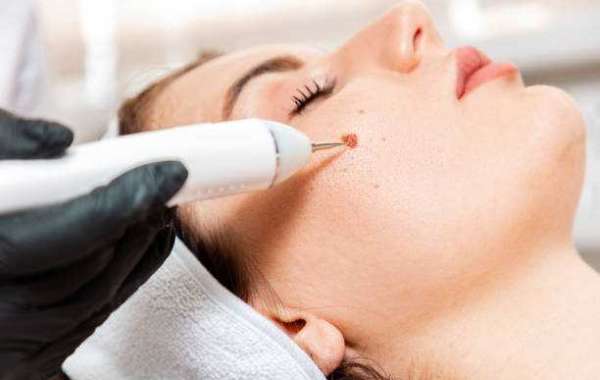

Moles are common skin growths, and most are harmless. However, changes in a mole’s size, shape, colour, or texture can sometimes indicate that it needs closer examination. One of the most useful methods for assessing suspicious or changing moles is dermoscopy, a non-invasive skin examination technique that allows a trained professional to examine features that may not be visible to the naked eye.
For people concerned about unusual or changing moles, knowing how to arrange a Dermoscopy mole evaluation dubai can make the process easier and less stressful. From identifying when an assessment may be appropriate to understanding what happens during the examination, a little preparation can help you feel more confident.
What Is Dermoscopy Mole Evaluation?
Dermoscopy is a specialised examination that uses a handheld device called a dermatoscope. The device provides magnified and illuminated views of the skin, allowing the examiner to assess structures and patterns within a mole that cannot always be seen during a standard visual inspection.
Unlike a surgical procedure, dermoscopy is generally non-invasive. It does not involve cutting the skin or removing the mole. Instead, it provides additional visual information that can help determine whether a mole appears typical or requires further assessment.
Dermoscopy can be particularly useful when examining:
- New moles
- Moles that have recently changed
- Irregularly shaped moles
- Moles with multiple colours
- Dark or unusual-looking skin lesions
- Moles that differ noticeably from others on the body
When Should You Consider a Mole Evaluation?
Not every mole requires immediate medical attention. However, changes should not be ignored, particularly when they are persistent or noticeable.
The ABCDE approach is commonly used as a simple way to recognise potentially concerning changes:
- A – Asymmetry: One half of the mole looks different from the other.
- B – Border: The edges appear irregular, uneven, blurred, or poorly defined.
- C – Colour: The mole contains several colours or develops a new or unusual shade.
- D – Diameter: The mole becomes larger, particularly if it is noticeably increasing in size.
- E – Evolving: The mole changes in appearance, texture, or symptoms over time.
Other warning signs can include persistent itching, bleeding, crusting, tenderness, or a mole that appears significantly different from the surrounding skin.
If you notice these changes, arranging a professional assessment is a sensible step rather than relying solely on photographs or online information.
How To Get Dermoscopy Mole Evaluation in Dubai
Getting a mole evaluated does not have to be complicated. The first step is to identify a suitable dermatology or skin-health service that provides dermoscopic assessment.
When making an appointment, explain that you would like a mole or skin lesion evaluated using dermoscopy. If you have noticed a particular change, mention it when arranging the consultation. This can help the healthcare team understand the reason for your visit.
Before choosing where to have the assessment, consider whether the service provides:
- Professional skin and mole assessments
- Dermoscopy as part of the examination
- Appropriate follow-up if a mole requires additional investigation
- Clear communication about the findings
- Access to further diagnostic assessment when clinically necessary
For anyone searching online for Dermoscopy mole evaluation dubai, it is useful to look beyond general skin-care services and specifically check whether dermoscopic mole assessment is offered.
What Happens During the Evaluation?
A dermoscopy appointment is usually straightforward. The assessment generally begins with a discussion about your concerns and any changes you have noticed.
The examiner may ask:
- When you first noticed the mole
- Whether it has changed recently
- Whether it has caused itching, bleeding, or discomfort
- Whether you have other unusual moles
- Whether you have previously had a mole examined
The skin lesion is then examined using a dermatoscope. Depending on the situation, the professional may also examine other areas of the skin for comparison.
Dermoscopy provides a more detailed view of pigmentation, patterns, borders, and other structural characteristics. The findings can help determine whether the mole appears benign or whether additional investigation may be appropriate.
Should You Prepare Before a Dermoscopy Appointment?
There is generally no complicated preparation required for a dermoscopic mole assessment. However, a few simple steps can make the examination easier.
1. Avoid Covering the Mole
If possible, avoid applying heavy makeup, concealer, or other products directly over the area that needs examination. A clean surface makes visual assessment easier.
2. Make a Note of Changes
Before your appointment, think about when you first noticed the mole and what has changed. You may wish to note changes in:
- Size
- Shape
- Colour
- Texture
- Symptoms
Even small details can be useful during the consultation.
3. Bring Previous Information
If the mole has been examined previously, any relevant records or photographs may help provide a comparison. Monitoring changes over time can be particularly useful when assessing skin lesions.
4. Identify Other Concerning Moles
If you have noticed more than one unusual mole, make a mental note of their locations. You can mention them during the appointment so they can be considered as part of the overall assessment.
Why Is Dermoscopy Useful?
A standard visual examination can provide valuable information, but dermoscopy offers a closer look at structures beneath the visible surface of the skin.
This additional detail can help professionals distinguish between different types of pigmented lesions and identify features that may warrant closer monitoring or further investigation.
Another benefit is that dermoscopy can support more informed decisions about whether a lesion needs observation, additional testing, or removal. However, dermoscopy is an assessment tool rather than a guarantee that a lesion is harmless or cancerous. Where necessary, further diagnostic procedures may be recommended.
What Happens If a Mole Looks Suspicious?
If a mole has features that require additional attention, the next step depends on the individual case. A professional may recommend monitoring the lesion, taking clinical photographs for future comparison, or conducting further diagnostic testing.
In some situations, removal and laboratory examination may be recommended. This allows the tissue to be examined more thoroughly.
The important point is not to panic if a mole is described as unusual. Many atypical-looking moles are not cancerous. A professional evaluation simply helps determine the most appropriate next step.
Choosing a Suitable Mole Assessment in Dubai
Dubai offers access to a wide range of dermatology and skin-health services. When looking for a dermoscopy assessment, focus on the quality and suitability of the service rather than choosing based only on convenience.
Check whether the provider clearly describes dermoscopy or mole evaluation as part of its services. It is also helpful to choose a setting where you can receive appropriate follow-up if the assessment identifies something that needs further attention.
If you are searching for Dermoscopy mole evaluation dubai, using specific search terms can help you find services that focus on mole assessment rather than general cosmetic skin treatments.
Take Changes in Moles Seriously
Most moles are harmless, but monitoring your skin is an important part of maintaining good skin health. Becoming familiar with your normal moles makes it easier to recognise changes that may deserve professional attention.
Dermoscopy offers a convenient, non-invasive way to examine suspicious or changing moles in greater detail. If you have noticed a new or evolving mole, arranging an evaluation can provide useful information and help determine whether further assessment is necessary.
For residents and visitors seeking Dermoscopy mole evaluation dubai, the process typically begins with identifying a suitable dermatology service, explaining your concerns, and attending a professional examination. Early evaluation can be a valuable step toward understanding changes in your skin and making informed decisions about your skin health.