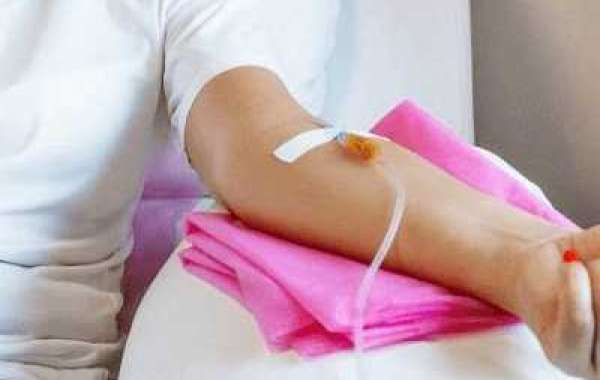

When a child is unwell, parents naturally want the quickest and safest way to help them recover. In some situations, drinking fluids and taking medicines by mouth may be enough. In other cases, however, a child may become too dehydrated, too sick to drink, or unable to absorb enough fluids and medication through the digestive system. This is where intravenous, or IV, therapy may sometimes be considered.
IV drips deliver fluids, electrolytes, medicines, or other treatments directly into a vein. While IV therapy can be an important medical treatment for children when clinically necessary, it is not appropriate for every child or every minor illness. The decision should always be made by a qualified healthcare professional after assessing the child's condition.
For families researching IV Drips in Oman, understanding when IV treatment may be used, what the process involves, and what precautions are important can make conversations with a healthcare provider much easier.
What Are IV Drips and How Do They Work for Children?
An IV drip is a method of delivering fluids or medication directly into the bloodstream through a small catheter placed in a vein. The treatment may contain fluids such as saline or other medically indicated solutions, depending on the child's needs.
For children, IV therapy is generally used when there is a clear medical reason. For example, a child with significant dehydration may need fluids when drinking is not possible or when oral fluids are not correcting the problem adequately. IV medication may also be considered when a medicine needs to work quickly or cannot be taken effectively by mouth.
The amount and type of fluid are not simply selected based on age. Healthcare professionals consider factors such as the child's weight, hydration status, symptoms, medical history, kidney function, and the underlying cause of illness.
This is particularly important because children are smaller than adults, meaning fluid and electrolyte balance requires careful calculation. An IV treatment that may be reasonable for one child could be inappropriate for another.
When Might a Child Need an IV Drip?
IV therapy may be recommended when a child's condition requires more support than oral fluids or medicines can provide.
One of the most common reasons is moderate to severe dehydration. Children can lose fluids through vomiting, diarrhea, fever, heavy sweating, or an inability to drink. Signs of significant dehydration can include very little urination, a dry mouth, unusual sleepiness, weakness, dizziness, or a lack of tears when crying.
IV treatment may also be considered when a child:
Cannot keep fluids down because of persistent vomiting
Is unable or unwilling to drink enough fluids
Has significant fluid or electrolyte losses
Requires medication through a vein
Needs urgent treatment for a serious illness
Is recovering from certain medical procedures or conditions that affect fluid intake
Requires hospital-based supportive care
Importantly, an IV drip does not automatically treat the underlying cause of an illness. For example, if dehydration is caused by an infection, the healthcare team still needs to evaluate and manage the infection itself.
For mild dehydration, oral rehydration solutions are often preferred when the child can drink safely. Parents should therefore avoid assuming that an IV is always a faster or better option.
Are IV Drips Safe for Children?
IV therapy can be safe for children when it is medically indicated and administered by appropriately trained healthcare professionals. However, like any medical procedure, it carries potential risks.
One concern is the insertion of the IV catheter itself. A child may experience brief pain or discomfort, and there can sometimes be bruising, swelling, or irritation around the insertion site.
Other potential complications can include infection, inflammation of the vein, leakage of fluid into surrounding tissue, or problems related to giving too much or too little fluid. Electrolyte disturbances can also occur if an inappropriate solution or amount is administered.
That is why pediatric IV therapy should not be treated as a routine wellness procedure. The child's weight, symptoms, medical history, and current condition should be assessed before treatment begins, and the child should be monitored appropriately during and after therapy.
Parents can also ask the healthcare professional what is being administered, why it is needed, how long the treatment is expected to take, and what signs should be watched for afterward.
What Should Parents Expect During Pediatric IV Treatment?
The experience can vary depending on the child's age, medical condition, and the reason for treatment.
First, a healthcare professional typically evaluates the child. This may include checking vital signs, hydration status, weight, symptoms, and medical history. In some circumstances, laboratory testing may be needed.
If IV therapy is considered appropriate, a small catheter is inserted into a suitable vein, often in the hand or arm. For younger children, healthcare staff may use age-appropriate techniques to help them remain calm and comfortable.
Once the catheter is secured, the prescribed fluid or medication can be administered. The duration depends on the treatment and the child's condition. Some IV treatments may be relatively short, while others require longer monitoring.
Parents can make the process easier by remaining calm, explaining the procedure in simple language, bringing a comforting toy or familiar item, and reassuring the child without making promises about what the procedure will or will not feel like.
During treatment, healthcare staff may monitor the child's vital signs and the IV site. Parents should report unusual pain, significant swelling, redness, leaking around the catheter, breathing difficulties, or any sudden change in the child's condition.
Are IV Drips Appropriate for Common Childhood Illnesses?
Not necessarily. A common misconception is that IV therapy can make a child recover faster from almost any illness. In reality, IV treatment is primarily a medical intervention for specific situations.
For a child with mild fever who is drinking normally, an IV drip may not provide any additional benefit. Similarly, a child with a mild stomach illness who can drink and maintain hydration may often be managed with appropriate oral fluids and medical advice.
For children experiencing vomiting or diarrhea, oral rehydration solutions can often be an important first-line approach when the child can drink and absorb fluids. If the child becomes significantly dehydrated or cannot tolerate oral fluids, a healthcare professional may determine that IV fluids are necessary.
Parents should therefore focus on the child's overall condition rather than requesting an IV simply because it appears to offer a quicker treatment.
When considering IV Drips in Oman, families should choose medical guidance over assumptions about what treatment is most effective. A proper assessment is essential before any IV therapy is given.
What Parents Should Know Before Choosing IV Drips in Oman
Parents researching IV services in Oman should first determine whether the treatment is medically appropriate for the child. The provider should be able to explain the purpose of the IV, what substance will be administered, the expected duration, and how the child will be monitored.
It is also important to make sure that pediatric patients are assessed according to their age and weight rather than being treated using adult protocols. Children can have different medical and fluid-management requirements, so pediatric considerations matter.
Parents may also want to ask:
Who will assess the child before treatment?
Is the treatment medically necessary?
What fluid or medication will be administered?
How is the appropriate dose calculated?
What monitoring will be provided during treatment?
What should parents do if symptoms worsen afterward?
Are there alternatives, such as oral rehydration or oral medication?
These questions can help families make informed decisions and understand whether IV treatment is genuinely appropriate.
When Should Parents Seek Urgent Medical Attention?
Some symptoms require prompt medical evaluation rather than simply arranging an IV drip.
Parents should seek urgent medical care if a child has severe difficulty breathing, becomes unusually difficult to wake, experiences a seizure, develops severe or persistent abdominal pain, has signs of serious dehydration, or shows a significant change in consciousness or behavior.
A child who cannot keep fluids down for an extended period, has very little or no urine, appears extremely weak, or becomes unusually sleepy may also need urgent assessment.
Infants and very young children can become dehydrated more quickly, so concerning symptoms in this age group deserve particular attention.
The key point is that an IV drip should not be viewed as a substitute for medical evaluation. If a child is seriously unwell, the priority is identifying the cause and providing the appropriate level of care.
FAQs About IV Drips for Children
1. Can children receive IV drips?
Yes. Children can receive IV fluids or medications when there is a medical reason and the treatment is prescribed and administered by appropriately trained healthcare professionals. The type and amount of IV treatment should be determined according to the child's individual condition, weight, and medical needs.
2. Are IV drips suitable for children with dehydration?
They can be, particularly when dehydration is significant or when a child cannot drink or keep oral fluids down. Mild dehydration may often be managed with oral rehydration when appropriate. A healthcare professional should determine which approach is suitable.
3. Is an IV drip painful for a child?
The insertion of the IV catheter can cause brief discomfort, similar to a needle prick. Healthcare professionals can use age-appropriate comfort techniques to help children feel more relaxed during the procedure.
4. Can parents request an IV drip for a child with fever or tiredness?
Parents can certainly discuss IV therapy with a healthcare professional, but an IV should not be used simply because a child has a fever or appears tired. The underlying cause and hydration status should be assessed first.
5. What should parents watch for during pediatric IV treatment?
Parents should tell healthcare staff about increasing pain, swelling, redness, leakage, or unusual discomfort around the IV site. Any sudden change in the child's breathing, alertness, or overall condition should also be reported immediately.
6. How can parents prepare a child for an IV drip?
Parents can explain the procedure in simple, age-appropriate language, bring a favorite toy or comfort item, and remain calm and reassuring. Avoid frightening descriptions or unrealistic promises. Healthcare staff can also help children understand what will happen.
For families considering IV Drips in Oman, the most important consideration is not simply whether IV therapy is available, but whether it is medically appropriate for the individual child. IV treatment can be valuable when a child needs fluids or medication that cannot be adequately provided by mouth, but it should be used under professional medical supervision.
A careful assessment helps ensure that the child receives the right treatment for the right reason. Parents who are uncertain about dehydration, persistent vomiting, poor fluid intake, or other concerning symptoms should seek advice from a qualified healthcare professional rather than relying on IV therapy as a general wellness solution.
Read More About IV Drips: https://xtiles.app/6ac60c4b1bbeb728b218aa7e