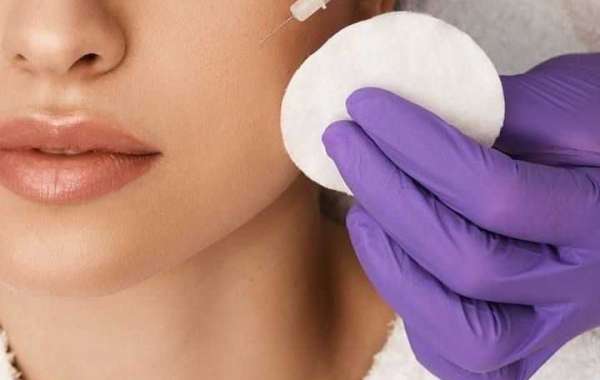

A face lift is a cosmetic surgical procedure designed to address visible signs of facial aging, including loose skin, sagging tissues, jowls, and reduced facial definition. While the idea of a face lift may seem straightforward, the complete treatment process involves several important stages. Understanding each stage can help patients prepare appropriately and develop realistic expectations.
Modern facial rejuvenation focuses on creating balanced improvements rather than simply tightening the skin. The treatment plan is customized according to facial anatomy, skin quality, degree of laxity, and the patient's individual aesthetic goals.
What Is a Face Lift?
A face lift, also known as rhytidectomy, is a surgical procedure intended to improve certain signs of aging in the face and, depending on the technique, the neck. It can address excess skin and may involve repositioning or supporting deeper facial tissues.
The procedure does not aim to stop the aging process. Instead, it can restore a firmer and more defined appearance by addressing structural changes that occur over time.
The Initial Consultation
The first stage of the face lift process is a detailed consultation with a qualified surgeon. During this appointment, the surgeon evaluates the patient's facial structure, skin elasticity, tissue laxity, and areas of concern.
The patient can explain what they hope to achieve, whether that involves improving jowls, redefining the jawline, reducing sagging cheeks, or refreshing the overall facial profile.
Medical history, medications, allergies, previous procedures, and lifestyle habits may also be discussed. This information helps the surgeon determine whether surgery is appropriate and which approach may be most suitable.
Developing a Personalized Treatment Plan
There is no single face lift technique that works for everyone. Treatment is planned according to the patient's individual anatomy and goals.
The surgeon may determine which areas require correction and whether the procedure should focus primarily on the lower face, cheeks, jawline, or neck. The location and extent of incisions are also planned carefully.
A personalized approach can help support balanced results while reducing the likelihood of an overly tight or artificial appearance.
Preparing for the Procedure
Once the treatment plan is established, the patient receives preparation instructions. These may relate to medications, supplements, smoking, alcohol, diet, and other lifestyle factors that can influence surgery or recovery.
Patients should provide accurate information about all medications and supplements they use. They may also need to arrange transportation home and have someone available to assist them during the early recovery period.
Preparing the home in advance with comfortable clothing, recommended supplies, and a suitable resting area can make the recovery period more convenient.
What Happens During Face Lift Surgery?
The exact surgical process depends on the chosen technique and the extent of correction required. Generally, carefully planned incisions provide access to the facial tissues.
The surgeon may reposition or support underlying tissues and manage excess skin where appropriate. The remaining skin is then positioned over the improved facial contours, and the incisions are closed carefully.
The procedure is performed under appropriate anesthesia, with the type determined according to the treatment plan and medical assessment.
Immediate Postoperative Period
After surgery, patients are monitored as they begin their initial recovery. Temporary swelling, bruising, tightness, and sensitivity are common following a face lift.
The surgical team provides instructions regarding wound care, medications, physical activity, sleeping positions, and follow-up appointments. Patients should carefully follow these instructions rather than relying on general recovery advice.
Having appropriate support at home during the first stage of recovery can make the process more comfortable.
Understanding Face Lift Recovery
Recovery is an individual process. Some patients may notice improvements relatively early, but swelling can temporarily obscure the final appearance.
As healing progresses, bruising and swelling gradually decrease. Patients are generally advised to avoid strenuous physical activity until their surgeon confirms that it is safe to resume normal routines.
Follow-up visits allow the surgeon to assess healing and address any concerns. The final results may take several weeks or longer to become fully visible.
Expected Benefits of the Treatment
A face lift can improve several visible signs of facial aging. Depending on the patient's condition and treatment plan, potential improvements may include a firmer appearance, reduced skin laxity, more defined jawline contours, and a refreshed facial profile.
Results vary between individuals and depend on factors such as age, skin quality, anatomy, lifestyle, and surgical technique. A face lift can provide significant rejuvenation, but it does not prevent future aging.
Choosing Face Lift Treatment in Islamabad
For people considering Face lift treatment in Islamabad, selecting a qualified and experienced cosmetic surgeon is an important part of the process. Patients should consider the surgeon's qualifications, experience, treatment approach, surgical facilities, and postoperative care.
A detailed consultation should provide clear information about the proposed procedure, potential risks, recovery expectations, and realistic results. Patients should feel comfortable asking questions before making a decision.
Maintaining Your Results
Although face lift results can be long-lasting, the face continues to age naturally after surgery. Protecting the skin from excessive sun exposure and following healthy lifestyle habits can support its appearance.
A balanced diet, adequate hydration, avoiding smoking, and maintaining a consistent skincare routine may also contribute to healthy-looking skin. Any additional cosmetic or skincare treatments should be discussed with a qualified professional.
Frequently Asked Questions
1. What does Face Lift Treatment in Islamabad involve?
Face lift treatment in Islamabad involves a personalized surgical approach to address facial sagging, excess skin, and reduced definition. The technique depends on the patient's anatomy and aesthetic goals.
2. How long does the face lift process take?
The procedure time varies depending on the surgical technique and extent of treatment. Your surgeon can provide a more accurate estimate during the consultation.
3. When will I see the final face lift results?
Initial changes may be visible as healing begins, but swelling can affect the appearance temporarily. Final results may become clearer over several weeks or longer as the tissues settle.
4. How can I choose the right provider for Face Lift Treatment in Islamabad?
When considering Face lift treatment in Islamabad, choose a qualified surgeon with relevant experience, appropriate facilities, personalized planning, realistic treatment guidance, and comprehensive postoperative care.
For more information visit Enfield royal clinic in islamabad