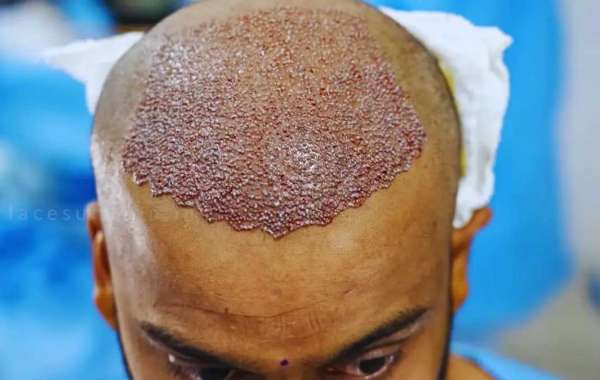

A hair transplant is an important step toward restoring hair and improving confidence. However, the recovery process involves more than simply following your treatment plan. One of the most common questions patients have after the procedure is whether they can sleep normally, especially during the first few nights.
The short answer is that you can sleep after a hair transplant, but you may need to adjust your sleeping position temporarily to protect the newly implanted grafts. Proper sleep supports healing, reduces unnecessary pressure on the scalp, and helps you feel more comfortable throughout recovery.
For individuals considering a Hair Transplant in dubai, understanding the correct sleeping techniques can make the post-procedure experience smoother and help protect the results of the treatment.
Why Is Sleeping Position Important After a Hair Transplant?
After a hair transplant, tiny grafts containing hair follicles are placed into the recipient area of the scalp. These grafts need time to settle and become securely anchored in the surrounding tissue.
During the initial recovery period, excessive pressure, friction, or accidental contact with the transplanted area may irritate the scalp and potentially disturb the grafts.
Sleeping in the correct position helps to:
- Protect newly implanted hair follicles from unnecessary pressure.
- Minimise swelling around the forehead and scalp.
- Reduce accidental rubbing against pillows or bedding.
- Support a more comfortable recovery experience.
- Allow the scalp to heal without avoidable irritation.
Although sleeping carefully is important, patients do not need to remain awake or worry about every small movement. Following the aftercare instructions provided by the treating medical professional is the best way to balance restful sleep with proper graft protection.
What Is the Best Sleeping Position After a Hair Transplant?
The recommended sleeping position depends on the technique used, the location of the transplanted grafts, and the instructions provided by the treating team. In many cases, patients are advised to sleep on their backs with their heads elevated during the first few nights.
1. Sleep on Your Back
Sleeping on your back is often recommended because it helps prevent direct contact between the transplanted area and the pillow.
This position is particularly useful when grafts have been implanted across the front, top, or crown of the scalp. It also makes it easier to keep the head elevated.
Try to maintain a comfortable position that does not place pressure on the recipient area. If you are accustomed to sleeping on your side or stomach, practising back sleeping before your procedure may make the adjustment easier.
2. Keep Your Head Elevated
Elevating your head can help minimise postoperative swelling, particularly around the forehead and eyes. Some patients experience mild swelling during the first several days following treatment.
A wedge pillow or a few supportive pillows may help maintain an elevated position. However, ensure that your neck remains comfortable and that the arrangement does not cause you to slide or turn excessively during sleep.
Your medical team can advise you on the appropriate degree of elevation and how long to continue this practice.
3. Avoid Sleeping on Your Stomach
Sleeping face down is generally discouraged during the early recovery period because it can place pressure on the scalp and increase contact with bedding.
It may also be difficult to control how your forehead or transplanted area rests against the pillow. Avoiding this position temporarily helps reduce the risk of unnecessary friction or irritation.
How Long Should You Sleep Carefully After a Hair Transplant?
The first week is particularly important for protecting the transplanted grafts. However, recovery varies between individuals, and the recommended precautions depend on the procedure and the progress of healing.
During the first 2–3 nights: Many patients are advised to sleep on their backs with their heads elevated. This can help minimise swelling and reduce the likelihood of accidental contact with the recipient area.
During days 4–7: The scalp may still feel tender, and small scabs may begin to form around the implanted follicles. Continue following the recommended sleeping position until your treating team advises otherwise.
After the first week: Many patients can gradually return to a more natural sleeping routine as the grafts become more secure. Nevertheless, the timing depends on individual healing and the instructions provided after treatment.
Avoid assuming that every patient can resume their usual sleeping position on the same day. If your procedure involved extensive graft placement or your recovery is slower than expected, additional precautions may be necessary.
Tips for Sleeping Comfortably After a Hair Transplant
Getting enough rest can be challenging when you are adjusting to a new sleeping position. A few simple preparations can make the first nights more manageable.
- Prepare your sleeping area: Arrange your pillows before going to bed so you can maintain a stable and comfortable position.
- Use clean pillowcases: Keep your bedding clean and follow any instructions regarding suitable materials and scalp contact.
- Avoid unnecessary touching: Do not scratch, rub, or repeatedly check the transplanted area during the night.
- Follow medication instructions: If your medical professional has prescribed medication, use it exactly as directed. Avoid taking additional sleep aids without checking whether they are appropriate.
- Keep your head supported: Choose a pillow arrangement that supports your neck without putting pressure on the transplanted area.
- Follow washing instructions: Wash your scalp only according to the aftercare schedule and technique recommended by your treating team.
These measures can help you feel more relaxed while protecting the healing scalp.
Is It Normal to Have Trouble Sleeping After a Hair Transplant?
Yes, some difficulty sleeping is common during the first few nights. You may find it uncomfortable to maintain a new position, or you may experience mild tenderness, tightness, itching, or swelling.
These symptoms can make it harder to settle into a familiar routine. However, they generally improve as recovery progresses.
To make sleeping easier, try establishing a relaxing bedtime routine, keeping your room comfortable, and avoiding activities that leave you overly stimulated before bed. If you are uncomfortable, speak with your treating medical professional rather than experimenting with medication or applying unapproved products to the scalp.
Contact your medical team if pain becomes severe, swelling worsens unexpectedly, bleeding persists, or you notice increasing redness, warmth, or discharge. These symptoms may require medical assessment.
When Can You Return to Your Normal Sleeping Routine?
Most patients can gradually return to their usual sleeping habits once the initial healing period has passed and their treating team confirms that additional positioning precautions are no longer necessary.
The exact timeline depends on the number and location of grafts, the surgical technique, and individual healing.
Even when you feel comfortable, avoid deliberately rubbing or pressing the transplanted area during the early recovery phase. Hair grafts need time to establish themselves, and careful aftercare remains important beyond the first night.
For patients researching Hair Transplant in dubai, discussing sleeping arrangements during the initial consultation is a practical way to prepare for recovery. Understanding what to expect beforehand can reduce uncertainty and make it easier to follow postoperative recommendations.
Does Good Sleep Help Hair Transplant Recovery?
Sleep plays an important role in the body's normal healing processes. During rest, the body supports tissue repair and other functions that contribute to recovery.
Getting adequate sleep may also help improve comfort, mood, and energy levels during the days following treatment. However, sleep alone cannot guarantee successful graft survival or determine the final hair growth results.
A successful recovery also depends on appropriate surgical care, following aftercare instructions, avoiding unnecessary trauma to the scalp, and attending recommended follow-up appointments.
Remember that transplanted hair may initially shed before new growth becomes noticeable. Visible improvement typically develops gradually over several months, so patience is an important part of the process.
Final Thoughts
You can sleep after a hair transplant, but sleeping normally may require a few temporary adjustments. Sleeping on your back, keeping your head elevated when advised, and avoiding pressure on the transplanted area can help protect the grafts during the early recovery period.
Although the first few nights may feel different from your usual routine, these precautions are generally temporary. Follow your treating team's instructions, prioritise comfortable rest, and seek medical advice if you experience unusual symptoms.
For anyone considering Hair Transplant in dubai, understanding post-procedure sleeping habits is an important part of preparing for treatment and supporting a smooth recovery. With the right guidance and consistent aftercare, you can approach the healing process with greater confidence.