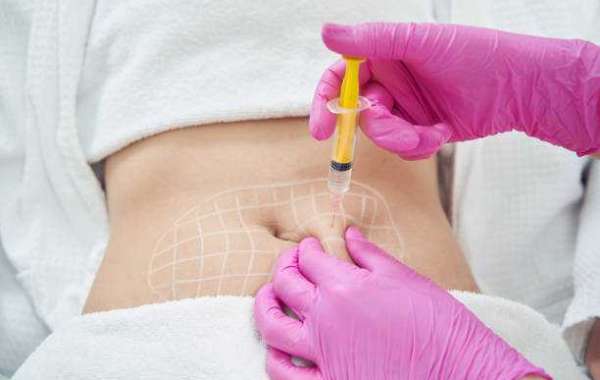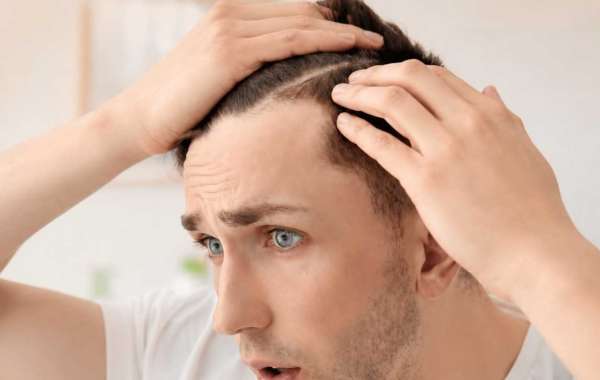

Hair loss can be distressing, and many people assume that surgery is the only way to restore density once thinning begins. In reality, a transplant is just one option, and it is usually reserved for advanced or permanent loss. For a large number of patients, non-surgical care can slow shedding, strengthen existing hair and encourage regrowth in thinning areas. If you are searching for Hair Loss Treatment in Islamabad that does not involve an operation, there are several medically guided options worth understanding before you make a decision.
Why Not Everyone Needs a Hair Transplant?
A hair transplant moves hair follicles from a donor area, usually the back of the scalp, to areas where hair has been lost. It can be effective, but it requires sufficient donor hair, a stable pattern of loss and a willingness to undergo surgery and recovery. It also does not stop ongoing hair loss in the untreated areas, which means many transplant patients still need medical therapy afterward.Many people with early or moderate thinning have follicles that are weakened but still alive. These follicles can often be supported and revived with the right treatment. Starting early gives you a better chance of preserving what you have, and non-surgical methods are generally the first step doctors consider before recommending surgery.
Finding the Cause First
Effective treatment starts with understanding why the hair is falling. Hair loss has many causes, and treating the wrong one wastes time and money. Common causes include hereditary pattern thinning, hormonal changes, nutritional deficiencies, thyroid conditions, stress, illness, childbirth, certain medications, scalp infections and autoimmune conditions.A proper consultation usually involves a review of your medical history, a close examination of the scalp and hair, and sometimes blood tests. A doctor may use a magnified scalp assessment to check follicle health and the pattern of thinning. Because shedding after illness or stress behaves very differently from genetic thinning, an accurate diagnosis shapes the entire treatment plan. Starting without one often leads to disappointment.
Medical Treatments Applied to the Scalp
Topical treatments are among the most widely used options. Minoxidil is a common over-the-counter solution that is applied directly to the scalp. It is thought to extend the growth phase of hair and improve blood flow to the follicles. It works best when started early and used consistently, and it can take several months before any change becomes visible. Some people notice temporary shedding at first, which is a known part of the adjustment period.Other topical formulations may combine active ingredients to support the scalp environment. Because skin sensitivity varies, a doctor can recommend a suitable strength and advise on correct use. Stopping topical treatment often allows the benefit to fade, so patience and regular use matter.
Oral Medications
For some patients, particularly men with pattern hair loss, doctors may consider prescription oral medication that works on the hormonal pathway linked to follicle shrinkage. These medicines require a prescription and medical supervision because they can have side effects and are not suitable for everyone. They are not appropriate for women who are pregnant or planning pregnancy.For women, hormonal imbalances such as those related to polycystic ovary syndrome or thyroid problems may need to be treated at the root. Correcting the underlying condition can reduce shedding and allow hair to recover. This is why self-medicating with random products is rarely a good idea and why a medical opinion is worthwhile.
Platelet-Rich Plasma Therapy
Platelet-rich plasma, commonly called PRP, is a popular in-clinic option. A small amount of your own blood is drawn and processed to concentrate the platelets, which contain growth factors. The concentrated plasma is then injected into the scalp areas where hair is thinning. The idea is to stimulate dormant follicles and support healthier growth.PRP is usually given as a series of sessions spaced several weeks apart, followed by maintenance visits. Many patients find the procedure tolerable, with mild tenderness and redness afterward. Results vary from person to person, and it tends to work better on early thinning than on areas that have been completely bald for years.
Mesotherapy for the Scalp
Mesotherapy involves delivering a customized blend of vitamins, minerals, amino acids and other nourishing ingredients into the scalp through very fine injections. The aim is to feed the follicles directly and improve the scalp environment. It is often chosen by people whose hair loss is linked to nutritional gaps, stress or general weakness of the hair.Like PRP, mesotherapy is delivered in a course of sessions. It may be offered alone or alongside other treatments, depending on your needs. A qualified practitioner will explain the ingredients used and what to expect, and no one can promise specific outcomes.
Low-Level Laser and Light Therapy
Low-level laser therapy uses gentle light energy to stimulate scalp cells and encourage follicle activity. It is non-invasive and painless, and sessions are typically short. Devices are available both in clinics and for home use, though professional treatments are usually better supervised.Evidence suggests this approach can help some people with pattern thinning, especially when it is combined with other therapies. It tends to be most useful in early stages, and consistency over several months is important.
Nutrition, Supplements and Scalp Care
What you eat affects the health of your hair. Deficiencies in iron, vitamin D, zinc, biotin and protein are commonly linked to shedding. A blood test can show whether you are low in anything, and correcting a deficiency can sometimes make a noticeable difference. Supplements should be taken based on need rather than guesswork, because excessive amounts of some nutrients can cause problems of their own.Scalp care also matters. Keeping the scalp clean, managing dandruff and avoiding harsh chemical treatments, tight hairstyles and excessive heat can protect existing hair. Gentle handling when washing and combing reduces breakage, and a balanced diet supports the whole process.
Lifestyle Factors That Make a Difference
Chronic stress, poor sleep and crash dieting can all trigger increased shedding. Conditions that disturb the body’s balance often show up in the hair a few months later, which is why people sometimes struggle to connect the cause to the effect. Managing stress, sleeping well and eating regularly are simple steps that support recovery.Smoking is also associated with poorer hair and scalp health, and reducing it may help overall results. These habits will not replace medical treatment where it is needed, but they strengthen the foundation on which treatment works.
Combining Treatments for Better Results
Hair loss rarely responds to a single approach alone. Many doctors recommend combining therapies, for example a topical treatment with PRP or mesotherapy, alongside nutritional correction. Each method works on a different part of the problem, and together they can offer more support than any one used alone.A personalized plan also allows adjustments over time. If one approach is not working well, it can be changed rather than abandoned. Regular follow-up visits help track progress, and photographs taken at intervals provide a more reliable record than memory.
Setting Realistic Expectations
Hair grows slowly, and results from non-surgical treatment take time. Most people need to wait several months before judging whether a treatment is working, and many therapies require ongoing maintenance to hold the benefit. Non-surgical treatment can slow loss, thicken existing hair and sometimes regrow hair in thinning zones, but it generally cannot recreate hair in areas where follicles have been gone for a long time.If you are honest with yourself and your doctor about your goals, you can choose an approach that makes sense. For advanced baldness, a transplant may still be the better route, and a good clinician will tell you so rather than push a treatment that is unlikely to work.
Choosing the Right Clinic
The practitioner you choose matters as much as the treatment itself. Look for a clinic that offers a thorough consultation, explains the cause of your hair loss and discusses options openly, including their limitations. Be cautious of anyone who guarantees results or pressures you into a long package immediately.Hygiene, medical supervision, transparent information and proper follow-up are signs of a reliable provider. You should feel comfortable asking about the products used, the number of sessions you may need and what happens if you do not respond as hoped.
Conclusion
Treating hair loss without a transplant is realistic for many people, especially when action is taken early. By identifying the cause, using medical treatments such as topical therapy, PRP, mesotherapy and light therapy where suitable, correcting nutritional gaps and supporting your scalp and lifestyle, you can often slow shedding and improve the quality of your hair. Results take time and vary from person to person, so patience and consistency are essential. The best first step is a professional consultation, where a doctor can examine your scalp, find the underlying cause and build a plan around your needs. With the right guidance, surgery may not be necessary at all, or at least you will know with confidence when it truly is.
Read More :
https://whimsical.com/aesthethic/can-hair-loss-treatment-in-islamabad-help-regrow-thinning-hair-4NBpaHK3WdhQgyLjgSCGU1