
Warts are common skin growths that can appear on the hands, feet, face, and other parts of the body. Caused by certain types of human papillomavirus (HPV), they may vary in size, shape, and texture. Although most warts are harmless, misconceptions about their causes and treatments can lead to ineffective home remedies or unnecessary skin damage. Understanding the facts about Wart removal in Riyadh (سعر إزالة الثالول بالليزر) can help you recognise when professional assessment is needed, compare treatment options, and make informed decisions about your skin health.
What Causes Warts? Understanding the Medical Facts
Warts develop when certain types of HPV infect the outer layer of the skin, often entering through tiny cuts or breaks. The virus can cause skin cells to grow more rapidly, creating a visible growth. Warts may spread through direct contact with infected skin or by transferring infected skin cells to another area.
Myth: Warts Develop Because of Poor Hygiene
Fact: Warts are caused by a viral infection, not simply by poor hygiene. Anyone can develop a wart, regardless of their personal cleanliness. However, avoiding the sharing of personal grooming tools and protecting damaged skin can help reduce opportunities for transmission.
Myth: All Skin Growths Are Warts
Fact: Not every rough or raised skin growth is a wart. Corns, calluses, skin tags, moles, and other skin conditions can look similar. A healthcare professional can examine the growth and recommend further evaluation if its appearance is unusual or the diagnosis is uncertain.
Common Myths About Wart Removal
Misunderstandings about wart treatment can cause people to delay appropriate care or use methods that harm healthy skin. Knowing the medical facts helps patients choose safer options.
Myth: Warts Always Disappear Quickly on Their Own
Fact: Some warts disappear naturally as the immune system responds to the virus, but this process may take months or longer. Others persist, spread, or cause discomfort. Treatment may be appropriate when a wart interferes with daily activities, affects confidence, or does not improve over time.
Myth: Cutting or Scraping a Wart at Home Is Effective
Fact: Cutting, shaving, or digging into a wart can cause bleeding, infection, scarring, and further irritation. It may also spread infected skin cells to nearby areas. Avoid attempting to remove a wart with sharp tools, particularly on the face, around the nails, or on the feet.
Myth: Every Wart Can Be Removed With One Treatment
Fact: Treatment outcomes depend on the wart's type, size, location, and response to therapy. Some warts improve after one session, while others require repeated treatments. Even after successful removal, a wart may return because HPV can remain in nearby skin.
Medical Wart Removal Treatments Explained
Several treatments are available, and the most appropriate choice depends on the diagnosis and individual circumstances. A qualified healthcare professional can explain the expected results, limitations, and potential side effects.
Cryotherapy
Cryotherapy uses liquid nitrogen to freeze the affected tissue. The treated area may become red or swollen, and a blister can develop before the skin heals. Some warts need multiple sessions. Temporary discomfort, changes in skin pigmentation, and occasional scarring are possible.
Topical Treatments
Salicylic acid is commonly used for selected warts, particularly those on the hands and feet. It gradually breaks down layers of affected skin and usually requires consistent application. Incorrect use can irritate or damage healthy tissue. Avoid applying acid-based wart treatments to facial or genital growths, suspicious lesions, or sensitive skin without professional guidance.
Laser Treatment
Laser therapy may be considered for certain persistent warts that have not responded to other treatments. Depending on the technique, laser energy can destroy wart tissue or target its blood supply. It is not necessary for every wart, and potential risks include discomfort, scarring, pigment changes, and recurrence.
Electrosurgery and Curettage
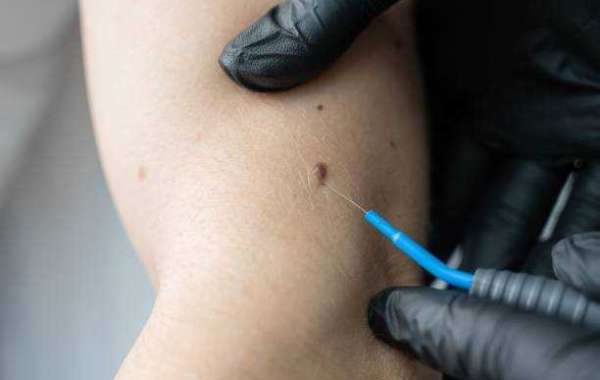
In selected cases, a healthcare professional may use electrical energy to destroy wart tissue or a specialised instrument to remove it. These procedures may require local anaesthesia and wound care afterward. Scarring and infection are possible risks, so treatment should be chosen carefully.
People exploring Wart removal in Riyadh should seek professional guidance to determine which option is appropriate for their skin condition rather than relying on a single method for every wart.
Can Warts Spread After Treatment?
Warts can spread through contact with infected skin, particularly when the skin is damaged or irritated. Picking, scratching, biting nails, or shaving over a wart may contribute to spreading the virus. Even after a wart appears to have disappeared, HPV may remain in surrounding skin, and recurrence is possible.
Ways to Reduce the Risk of Spreading Warts
Avoid picking, scratching, or cutting warts.
Wash your hands after touching an affected area.
Do not share razors, nail clippers, towels, or foot-care tools that have contacted a wart.
Wear suitable footwear in communal showers and changing areas.
Follow professional treatment and aftercare instructions.
These habits can help protect the surrounding skin and reduce avoidable contact with infected tissue.
When Should You Seek Professional Wart Removal?
Consider a professional assessment if a wart is painful, spreading, persistent, or interfering with everyday activities. Medical advice is particularly important for people with diabetes, poor circulation, reduced immunity, or a history of delayed wound healing.
A growth that bleeds without an obvious cause, changes rapidly, develops unusual pigmentation, or fails to heal should be examined before any removal treatment. Such changes do not automatically mean the lesion is serious, but they should not be assumed to be an ordinary wart.
If you are considering Wart removal in Riyadh, a consultation can help confirm the diagnosis, identify suitable treatments, and explain how to care for the skin during recovery.
Book an Appointment at Royal Clinic Saudia
Understanding the medical facts about warts can help you avoid unsafe home remedies and make better decisions about treatment. Royal Clinic Saudia ( عيادات رويال كلينك ) can help you explore suitable assessment and wart-removal options based on your skin concerns. Contact the clinic to arrange a consultation and receive personalised guidance on treatment, recovery, and aftercare. Choosing an appropriate approach to Wart removal in Riyadh can help you manage persistent warts while protecting your skin's health.