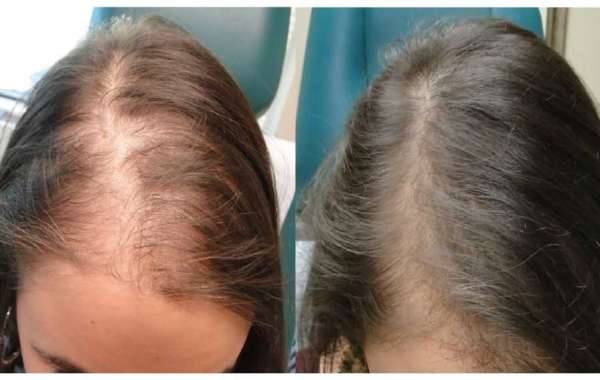

Stress can affect the body in many ways, and changes in hair growth are sometimes among the most noticeable. A woman experiencing prolonged pressure at work, family responsibilities, emotional difficulties, or a major life change may begin to notice more hair falling during washing or brushing. Over time, the hair may appear less dense, the parting may become wider, or the ponytail may feel smaller than before.
Although stress can contribute to hair shedding, it is important to understand that not every case of thinning has the same cause. Female Hair Loss Treatment in Islamabad can help women explore possible reasons for persistent shedding and identify suitable options based on their individual circumstances. At Enfield Royal Clinic in Islamabad, discussing the pattern and history of hair loss can help guide decisions about further assessment and care.
How Does Stress Affect the Hair Growth Cycle?
Hair follicles move through several stages, including active growth, transition, rest, and shedding. Significant physical or emotional stress may disrupt this cycle in some people, causing a larger number of hairs to enter the resting phase.
This pattern is known as telogen effluvium. Shedding often becomes noticeable several weeks or months after the triggering event rather than immediately. This delay can make it difficult to connect the hair loss with an earlier period of stress.
Possible triggers include major illness, surgery, childbirth, rapid weight loss, emotional upheaval, and other substantial changes affecting the body. When the underlying trigger settles, the shedding may gradually improve, although recovery varies from person to person.
Persistent stress may also affect sleep, eating habits, and general health, which can indirectly influence hair care and nutritional intake.
What Are the Signs of Stress-Related Hair Loss?
Stress-related shedding usually affects the scalp more diffusely instead of creating one clearly defined bald patch. Women may notice increased hair fall throughout the scalp, even when their hairline appears relatively unchanged.
Common signs include:
More hair collecting in the shower or hairbrush.
Reduced fullness in a ponytail.
Increased visibility of the scalp around the parting.
Hair shedding that begins after a stressful event.
A general reduction in hair volume.
Gradual changes in density across several areas of the scalp.
These symptoms can also occur with iron deficiency, thyroid disorders, hormonal changes, and hereditary hair loss. Stress may be one contributing factor without being the only explanation.
If the shedding is severe, persists for an extended period, or occurs alongside scalp pain, redness, scaling, or distinct bald patches, a healthcare professional should assess the problem.
Can Emotional Stress Cause Long-Term Hair Thinning?
Stress-related shedding is often temporary, but the outcome depends on the underlying condition and whether other factors are present. Many people experience improvement after the triggering problem is addressed and the normal hair-growth cycle resumes.
However, stress may coincide with female pattern hair loss or make an existing condition more noticeable. In such cases, the hair may not return to its previous density without appropriate management.
It is also important not to blame yourself for experiencing hair loss. Emotional stress is not always avoidable, and shedding can occur after events that are beyond a person's control.
Women considering Female Hair Loss Treatment in Islamabad can benefit from identifying whether the problem appears temporary or whether further investigation is needed to assess ongoing thinning.
How Can You Determine the Actual Cause?
A professional assessment generally begins with questions about when the shedding started, how quickly it developed, and whether any significant health or lifestyle changes occurred beforehand.
A healthcare professional may also ask about family history, recent childbirth, menstrual changes, medication use, dietary restrictions, and other symptoms. Examining the scalp helps distinguish diffuse shedding from patterned hair loss or conditions affecting specific areas.
Depending on the findings, blood tests may be recommended to investigate possible iron deficiency, thyroid dysfunction, or other suspected medical contributors. Not every woman needs the same tests, so investigations should be guided by the individual history and examination.
At Enfield Royal Clinic in Islamabad, women exploring Female Hair Loss Treatment in Islamabad can discuss their concerns and determine whether additional evaluation is appropriate before selecting a treatment.
Which Treatments May Help Stress-Related Hair Shedding?
Treatment depends on the underlying cause. If shedding is associated with a temporary stressor, improving overall health and allowing the hair-growth cycle to recover may be sufficient. When another condition contributes to the problem, targeted management may be necessary.
Addressing the Trigger
When possible, managing the source of ongoing stress can support general well-being. Regular sleep, balanced meals, physical activity, and relaxation practices may help establish a healthier routine.
These measures do not guarantee that hair shedding will stop, but they can support overall health while the underlying cause is being addressed.
Correcting Nutritional Deficiencies
Stressful periods sometimes coincide with poor appetite, restrictive eating, or inconsistent meals. If a nutritional deficiency is identified, correcting it may help support normal hair growth.
Supplements should not be taken automatically. Excessive amounts of certain vitamins and minerals can be harmful, and unnecessary supplementation may not improve shedding.
Medical Hair-Loss Treatment
If an assessment identifies female pattern hair loss or another condition, a healthcare professional may recommend an appropriate treatment. Topical minoxidil can benefit some women with female pattern hair loss, but it is not necessary for every case of stress-related shedding.
At Enfield Royal Clinic in Islamabad, Female Hair Loss Treatment in Islamabad may involve discussing appropriate management options, realistic expectations, and whether specialist care is suitable for the individual's diagnosis. No single treatment is effective for every cause of hair loss.
Can Better Hair Care Reduce Further Damage?
Gentle hair care can help prevent additional breakage while the hair recovers. Use a mild shampoo suited to your scalp, condition the hair lengths, and avoid aggressive brushing or repeatedly pulling the hair into tight hairstyles.
Frequent heat styling and harsh chemical treatments may weaken fragile strands. Reducing these practices can improve hair manageability, although it does not directly eliminate stress-related shedding.
A balanced diet containing sufficient protein and essential nutrients supports normal growth. Women with persistent fatigue, heavy menstrual bleeding, significant dietary restrictions, or other symptoms should consider professional advice about possible nutritional concerns.
How Long Does Stress-Related Hair Loss Take to Improve?
Hair recovery is gradual because follicles need time to move through their natural growth cycle. Shedding may begin several weeks or months after a triggering event, and improvement may also take several months after the trigger has been addressed.
New growth can become visible before the overall density returns to its previous level. The recovery period varies depending on the cause, the severity of the shedding, and whether another hair-loss condition is present.
If hair shedding continues or repeatedly returns, reassessment can help determine whether the initial explanation remains appropriate. Monitoring occasional photographs under similar lighting can provide a more useful comparison than checking hair density every day.
When Should You Seek Professional Advice?
Consider an assessment if hair loss is persistent, progressively worsening, or affecting your confidence. Sudden hair loss, distinct bald patches, scalp inflammation, or pain should receive prompt medical attention.
Early evaluation can help distinguish temporary shedding from conditions that require specific treatment. It can also prevent unnecessary use of products that may not address the underlying cause.
Where Can Women Explore Female Hair Loss Treatment in Islamabad?
Stress-related hair shedding can be upsetting, especially when it develops after an already difficult period. However, it does not automatically mean that the hair follicles have been permanently damaged. Many cases of temporary shedding improve, although persistent thinning may require further investigation.
Female Hair Loss Treatment in Islamabad should focus on understanding the reason for shedding, assessing scalp health, and choosing an appropriate management plan. At Enfield Royal Clinic in Islamabad, women can discuss their symptoms and explore options suited to their individual needs.




