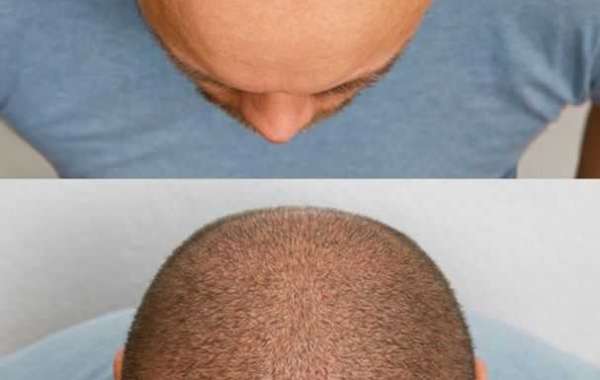

Hair loss has become a common concern for people seeking to maintain their appearance and personal style. A receding hairline, thinning crown, or visible bald patches can affect how individuals feel about their hair and influence their grooming choices. As hair restoration technology advances, hair transplant surgery is gaining popularity as an option for people who want to improve hair coverage and achieve natural-looking results.
Modern transplantation techniques offer different approaches to restoring hair using a patient's own follicles. With personalized treatment planning and appropriate medical care, suitable candidates may experience lasting improvements in hair density. Understanding why this procedure is becoming more popular can help individuals make informed decisions about their hair restoration goals.
Understanding Hair Transplant Surgery
Hair transplant surgery is a medical procedure that moves healthy hair follicles from a donor area, usually the back or sides of the scalp, to areas affected by thinning or baldness. The transplanted follicles can continue producing hair after successful healing.
Unlike temporary styling methods that conceal thinning areas, transplantation aims to provide long-term hair growth in selected regions. The procedure is commonly considered for people with pattern hair loss who have sufficient healthy donor hair.
However, hair transplantation is not suitable for everyone. The cause of hair loss, scalp condition, medical history, and availability of donor follicles all influence whether surgery is appropriate. A qualified specialist should assess these factors before recommending treatment.
Why Hair Transplant Surgery Is Becoming More Popular
One important reason for the growing popularity of hair transplantation is the development of modern surgical techniques. Procedures such as Follicular Unit Extraction allow specialists to collect individual follicular units and place them carefully in areas that need additional coverage.
Another factor is the demand for natural-looking results. Many people want a treatment that works with their existing hair pattern rather than creating an artificial appearance. Careful hairline design and appropriate graft placement can help achieve this goal.
Greater awareness of hair restoration options has also encouraged people to seek professional advice earlier. Instead of relying only on hairstyles or concealing products, individuals can explore medical treatments and surgical options suited to their circumstances.
Although transplantation offers potential benefits, its popularity should not replace proper medical assessment. Results vary, and the procedure involves costs, recovery time, and possible complications.
Modern Hair Transplant Techniques
Two established techniques are Follicular Unit Extraction (FUE) and Follicular Unit Transplantation (FUT). Both involve relocating hair follicles but differ in how the donor hair is collected.
Follicular Unit Extraction (FUE)
FUE involves extracting individual follicular units from the donor area and implanting them into thinning or bald areas. It generally leaves small, scattered scars instead of one linear scar.
Some patients prefer this technique because of its harvesting method and flexibility with hairstyles after healing. However, careful extraction is essential because excessive harvesting can affect the appearance of the donor area.
Follicular Unit Transplantation (FUT)
FUT involves removing a narrow strip of scalp from the donor area and separating it into individual follicular units for transplantation. It can be suitable for certain patients, depending on their donor hair characteristics and treatment goals.
The technique generally leaves a linear scar, which should be considered when choosing a procedure. A qualified surgeon can explain the benefits, limitations, and recovery expectations of both approaches.
Neither technique is universally best. The appropriate option depends on the patient's hair loss pattern, donor hair supply, scalp characteristics, and personal preferences.
The Role of Natural-Looking Results
Natural-looking outcomes are a major consideration for people exploring hair transplantation. A well-designed hairline should complement facial features, age, and existing hair growth rather than appear unnaturally low or perfectly straight.
The surgeon must consider hair direction, graft distribution, and the amount of available donor hair. These factors influence how well the transplanted hair blends with surrounding growth.
A realistic plan should also account for future hair loss. Natural hair may continue thinning even after transplantation, so preserving donor follicles and planning for long-term changes are important.
The goal is to improve coverage in a balanced way while maintaining a result that suits the individual.
How Hair Transplantation Can Affect Confidence
Hair loss can influence self-image, especially for individuals who feel that their changing hairline no longer reflects their preferred appearance. Some people become frustrated with styling options or spend additional time trying to conceal thinning areas.
For suitable candidates, hair transplantation may improve satisfaction with their appearance by restoring coverage in selected areas. A fuller hairline can also make certain hairstyles easier to maintain.
However, emotional benefits differ from person to person. Surgery cannot guarantee improved confidence or resolve every concern about appearance. It is important to make the decision for personal reasons and maintain realistic expectations about the results.
Recovery and Expected Results
Hair transplantation requires patience because visible growth develops gradually. After surgery, temporary redness, swelling, tenderness, and small scabs may occur around the treated areas.
Following the clinic's postoperative instructions helps protect the transplanted follicles during healing. Patients should receive clear guidance about scalp washing, exercise, and other recovery requirements.
Transplanted hairs commonly shed during the first few weeks before new growth begins. Many patients notice visible improvement within six to twelve months, although final results may take longer.
Transplanted follicles can provide long-lasting growth, but untreated natural hair may continue thinning. Depending on the cause of hair loss, a medical professional may recommend additional treatment to help maintain existing hair.
Choosing a Reliable Hair Transplant Clinic
As interest in hair restoration grows, selecting a qualified provider becomes increasingly important. Patients should focus on medical expertise, safety, transparent communication, and realistic treatment planning rather than advertising claims alone.
Before choosing a clinic, consider these factors:
- Qualified surgeons: Verify credentials and experience in hair restoration.
- Personalized planning: Ensure the proposed treatment suits your hair loss pattern and donor hair.
- Documented results: Review before-and-after photographs of patients with similar concerns.
- Safety standards: Ask about hygiene and infection-control procedures.
- Aftercare support: Confirm that postoperative guidance and follow-up appointments are available.
- Transparent pricing: Request a clear explanation of graft estimates and total treatment costs.
People researching the best hair transplant in Islamabad should compare qualified specialists, explore FUE and FUT options, and arrange consultations before making a decision. A responsible provider should discuss possible risks, alternatives, and realistic outcomes without guaranteeing perfect results.
Conclusion
The growing popularity of hair transplant surgery reflects increasing awareness of modern hair restoration options and the desire for natural-looking hair coverage. Techniques such as FUE and FUT offer different approaches, allowing specialists to tailor treatment to suitable candidates.
The best results begin with an accurate assessment, qualified medical care, and realistic expectations. By understanding the procedure and choosing a reliable specialist, individuals can decide whether hair transplantation is an appropriate step toward their hair restoration goals.
Frequently Asked Questions (FAQs)
1. Why is hair transplant surgery becoming more popular?
Growing awareness of hair restoration, advances in surgical techniques, and interest in natural-looking results have made transplantation an option for many people experiencing certain types of hair loss.
2. Which hair transplant technique is better, FUE or FUT?
Both techniques can provide natural-looking results when appropriately planned. The right choice depends on donor hair quality, scalp characteristics, treatment goals, and medical assessment.
3. How long does it take to see hair transplant results?
Visible improvement often develops within six to twelve months, although final results may take longer. Individual healing and hair growth patterns vary.
4. How can I find the best hair transplant in Islamabad?
To find the best hair transplant in Islamabad for your needs, compare qualified surgeons, FUE and FUT techniques, documented results, safety standards, aftercare, and total costs before choosing a clinic.
For more information visit Enfield royal clinic in islamabad



