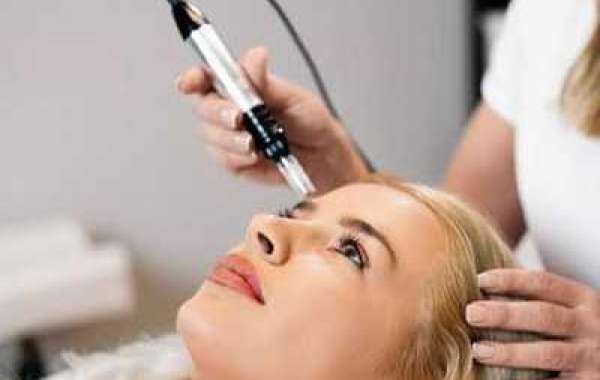

Morpheus8 has become a popular skin rejuvenation treatment for people who want to improve skin texture, reduce the appearance of fine lines, and achieve firmer-looking skin without undergoing surgery. By combining microneedling with radiofrequency energy, the treatment stimulates the skin's natural repair processes and encourages collagen production. However, like other energy-based skin procedures, Morpheus8 can cause temporary side effects, and one concern that deserves attention is hyperpigmentation.
For individuals considering Morpheus8 Treatment in Muscat understanding the possibility of pigmentation changes is especially important. Hyperpigmentation occurs when certain areas of the skin become darker than the surrounding skin. It may develop after inflammation, irritation, injury, or excessive exposure to ultraviolet radiation. Although Morpheus8 is designed to improve the skin's appearance, the controlled injury and heat associated with the procedure can sometimes trigger unwanted pigment changes in susceptible individuals.
The good news is that hyperpigmentation does not occur in everyone, and careful treatment planning and aftercare can help reduce the risk. Knowing which factors increase susceptibility, what changes to expect during recovery, and when professional assessment is necessary can help individuals make informed decisions about treatment.
1. What Is Hyperpigmentation, and How Does Morpheus8 Affect the Skin?
Hyperpigmentation refers to patches, spots, or areas of skin that appear darker than the surrounding tissue. It develops when the skin produces excess melanin or when pigment becomes unevenly distributed. Melanin is the natural pigment responsible for skin, hair, and eye color.
One common form is post-inflammatory hyperpigmentation, often abbreviated as PIH. This type of discoloration develops after the skin experiences inflammation or injury. Acne, burns, insect bites, irritating skincare products, and cosmetic procedures can all trigger it in susceptible individuals.
Morpheus8 uses fine needles to deliver radiofrequency energy into targeted skin layers. The combination of microneedling and controlled heat is intended to stimulate collagen remodeling and improve selected skin concerns. As the skin responds to treatment, temporary redness, swelling, tenderness, and pinpoint marks may occur.
In some cases, this inflammatory response can stimulate pigment-producing cells called melanocytes. The result may be a darker area that appears days or weeks after the procedure rather than immediately afterward.
It is important to distinguish normal post-treatment redness from hyperpigmentation. Redness generally reflects temporary inflammation and often fades as the skin heals. Hyperpigmentation appears brown, dark brown, grayish, or otherwise darker than the person's usual skin tone, depending on skin color and the depth of the pigment.
People considering Morpheus8 Treatment in Muscat should understand that the treatment may improve skin texture, but it cannot guarantee that pigmentation will remain unchanged. A careful assessment before treatment helps determine whether the potential benefits outweigh the risks for an individual's skin.
2. Can Morpheus8 Treatment Cause Hyperpigmentation?
Yes, Morpheus8 can cause post-inflammatory hyperpigmentation in some individuals. However, this is a possible complication rather than an inevitable outcome.
The risk depends on several factors, including the person's natural skin tone, history of pigmentation, treatment settings, degree of inflammation, and aftercare habits. Appropriate technique and patient selection are particularly important because excessive heat or unnecessary tissue injury can increase the likelihood of complications.
There are several ways pigmentation changes may develop after treatment.
Inflammation-related pigment production: Microneedling and radiofrequency energy create a controlled healing response. In susceptible skin, the resulting inflammation may stimulate excess melanin production, leaving darker marks in the treated area.
Excessive treatment intensity: Needle depth, energy settings, and the number of passes influence how the skin responds. Treatment that is too aggressive for a particular individual may cause excessive irritation or injury, increasing the risk of pigmentation changes.
Sun exposure during recovery: Ultraviolet radiation can stimulate melanin production. When healing skin is exposed to sunlight without adequate protection, existing inflammation may be accompanied by more noticeable or persistent discoloration.
Picking or irritating the treated skin: Scratching, picking at crusts, or using harsh skincare products too soon may interfere with healing. Additional irritation can increase the risk of post-inflammatory dark marks.
Individual susceptibility: People with a personal history of post-inflammatory hyperpigmentation, melasma, or dark marks after acne or cosmetic procedures may need extra precautions.
Pigmentation changes are not always caused solely by the procedure. For example, pre-existing melasma may become more noticeable following inflammation or sun exposure. A professional assessment can help distinguish new post-treatment pigmentation from an existing skin condition.
Although hyperpigmentation is often temporary, it can persist for months in some individuals. This is why discussing pigmentation risk before treatment is essential, particularly for people who are already prone to uneven skin tone.
3. Who Is More Likely to Develop Hyperpigmentation After Morpheus8?
Anyone can potentially develop post-inflammatory hyperpigmentation, but certain characteristics may increase the risk.
People with medium to deeper skin tones
Individuals with darker skin tones often have a greater tendency to develop post-inflammatory hyperpigmentation after skin inflammation or injury. This does not automatically mean they cannot undergo Morpheus8. Instead, it means treatment selection, device settings, and recovery monitoring require careful consideration.
A qualified provider should understand how different skin tones respond to radiofrequency microneedling and adjust the approach accordingly. No treatment setting is universally suitable for everyone.
People with a history of melasma
Melasma causes brown or gray-brown patches, often on the cheeks, forehead, upper lip, and other areas of the face. It may be influenced by sunlight, visible light, hormonal changes, and genetic factors. Heat and inflammation can aggravate melasma in some individuals, so those with this condition should discuss their history before undergoing treatment.
Individuals prone to acne marks or dark spots
Someone who frequently develops dark marks after acne, insect bites, or minor skin injuries may also be more susceptible to pigmentation following a cosmetic procedure. This history should be included in the initial consultation.
People with sensitive or inflamed skin
Active irritation, certain inflammatory skin conditions, or a compromised skin barrier may make treatment less suitable at that time. Treating irritated skin without addressing the underlying problem can increase the chance of an unfavorable response.
Individuals who cannot reliably protect their skin from sunlight
Regular outdoor exposure can complicate recovery, particularly when the treated area is exposed. People with outdoor work or frequent sun exposure may need to plan treatment carefully and follow a consistent protection routine.
For those exploring Morpheus8 Treatment in Muscat, a detailed consultation should include skin type, previous pigmentation problems, medical history, current medications, and recent skincare procedures. These details help a qualified medical professional determine whether treatment is appropriate or whether an alternative may offer a better risk-benefit balance.
4. How Can Hyperpigmentation Risk Be Reduced Before and After Treatment?
Although no method can eliminate the risk completely, appropriate preparation and aftercare can help reduce unnecessary inflammation and protect the skin while it heals.
Before treatment
A thorough skin assessment is an important first step. The provider should examine the treatment area, identify existing pigmentation concerns, and discuss previous reactions to cosmetic procedures.
Individuals with melasma or a history of post-inflammatory hyperpigmentation may benefit from a personalized treatment plan. In some cases, a provider may recommend stabilizing an existing skin condition before proceeding. A test spot may also be considered when clinically appropriate, although it cannot guarantee that the full treatment will be free of complications.
The provider should also review current medications, topical products, recent sun exposure, and any active skin conditions. Retinoids, exfoliating acids, and other potentially irritating products may need to be adjusted around the procedure, but the timing should be guided by the treating professional.
During the recovery period
The skin should be treated gently while it heals. Helpful measures include:
Using a mild cleanser and suitable moisturizer according to the aftercare instructions.
Avoiding scrubs, exfoliating acids, retinoids, and other irritating products until the skin has recovered sufficiently.
Keeping hands away from pinpoint marks, crusts, or flaky areas.
Avoiding saunas, excessive heat, and strenuous exercise for the period recommended by the provider.
Following instructions regarding makeup, swimming, and other activities that may irritate the treated area.
Sun protection is particularly important. Once the skin is ready for sunscreen according to the provider's instructions, a broad-spectrum sunscreen with SPF 30 or higher can help protect against ultraviolet radiation. Protective clothing, shade, and limiting prolonged direct exposure provide additional protection.
In sunny climates such as Muscat, planning outdoor activities around the recovery period can be useful. Sunscreen should be reapplied as directed, particularly during extended outdoor exposure.
Some individuals may benefit from pigment-targeting skincare products, but these should not be started automatically on freshly treated skin. Ingredients such as azelaic acid, hydroquinone, or retinoids may be appropriate in selected cases, yet they can also irritate healing skin. A medical professional should determine whether they are suitable and when they can safely be introduced.
5. What Should Someone Do if Dark Spots Appear After Morpheus8?
If dark spots develop after Morpheus8, the first step is to avoid panic and arrange an assessment if the discoloration is persistent, worsening, or concerning. Pigmentation changes can sometimes develop gradually, so they may not be obvious immediately after treatment.
A qualified medical professional can examine the skin and determine whether the changes are consistent with post-inflammatory hyperpigmentation, melasma, another pigmentation condition, or a different complication.
The appropriate response depends on the cause, severity, and depth of the discoloration.
Gentle skincare and sun protection: Mild post-inflammatory hyperpigmentation may gradually fade as the skin recovers. Avoiding further irritation and protecting the area from sunlight are important first measures.
Prescription or targeted topical treatments: In selected cases, a medical professional may recommend pigment-reducing ingredients. The choice depends on skin sensitivity, the type of pigmentation, and whether the skin has fully healed.
Additional procedures: Certain chemical peels, lasers, or other treatments may be considered for persistent discoloration. However, additional procedures can also trigger further inflammation and pigmentation, particularly in susceptible skin. They should not be started without an appropriate assessment.
The time required for improvement varies. Superficial discoloration may fade over several months, while deeper or more persistent pigmentation can take longer. Some pigment changes may be difficult to resolve completely.
If the skin develops severe pain, blistering, increasing swelling, spreading redness, unusual warmth, or signs of infection, prompt medical evaluation is necessary. These symptoms may indicate a complication beyond ordinary pigmentation.
People considering Morpheus8 Treatment in Muscat should also understand that additional sessions may need to be postponed if the skin has not recovered or if a pigment-related complication has developed. Repeating treatment too soon may aggravate inflammation rather than improve the outcome.
6. Is Morpheus8 Suitable for People Concerned About Pigmentation?
Morpheus8 may be suitable for some individuals seeking improvements in skin texture, mild laxity, and selected acne scars. However, people who are particularly prone to pigmentation need an individualized assessment before deciding whether the procedure is appropriate.
The treatment's potential benefits should be weighed against the possibility of temporary redness, prolonged irritation, post-inflammatory hyperpigmentation, burns, scarring, and other adverse effects. A suitable candidate is not simply someone who wants smoother skin; the person's medical history, current skin condition, and ability to follow aftercare instructions also matter.
Alternative treatments may be worth considering depending on the main concern. For example, someone whose primary problem is melasma may need a treatment plan focused on pigment control and strict light protection rather than a procedure that introduces additional heat or inflammation. Someone primarily concerned about textural acne scars may have different options.
A qualified medical professional can explain the available treatments, expected benefits, limitations, and potential risks. It is also reasonable for individuals to ask about the provider's experience treating their skin tone, the device settings that may be used, and the plan for managing a complication if one occurs.
For people researching Morpheus8 Treatment in Muscat, the most important consideration is not just whether the treatment can improve skin appearance, but whether it can be performed safely for their individual needs.
With appropriate patient selection, conservative treatment planning when indicated, and careful aftercare, the risk of unwanted pigmentation may be reduced. Nevertheless, it cannot be eliminated entirely, and realistic expectations remain essential.
Frequently Asked Questions About Morpheus8 and Hyperpigmentation
1. Does Morpheus8 always cause hyperpigmentation?
No. Hyperpigmentation is a possible side effect, but many individuals do not develop it. The risk varies according to skin tone, treatment settings, inflammation, sun exposure, and personal history of pigmentation. A professional assessment can help identify risk factors before treatment.
2. How long does hyperpigmentation last after Morpheus8?
The duration varies from person to person. Some superficial dark marks may fade over several months, while persistent or deeper pigmentation can take longer. Appropriate skincare, sun protection, and professional guidance may help manage the condition.
3. Is Morpheus8 safe for darker skin tones?
Morpheus8 may be suitable for some people with darker skin tones, but careful patient selection and treatment planning are essential. Individuals with deeper skin tones may have a greater tendency to develop post-inflammatory hyperpigmentation. A qualified provider should assess the risks and explain suitable alternatives.
4. Can sunscreen prevent pigmentation after Morpheus8?
Sunscreen helps reduce ultraviolet exposure, which can worsen pigmentation during recovery. Broad-spectrum SPF 30 or higher, when appropriate for the healing stage, along with shade and protective clothing, can help lower this risk. However, sunscreen cannot guarantee that pigmentation will not occur.
5. Can existing melasma get worse after Morpheus8?
It is possible. Inflammation and heat may aggravate melasma in susceptible individuals, although responses vary. People with existing melasma should disclose their condition during consultation so that the potential risks and alternative options can be discussed.
6. What should someone do if dark spots appear after Morpheus8?
The individual should follow gentle skincare and sun-protection measures and seek professional assessment if the discoloration persists, worsens, or causes concern. Pigment-reducing products or additional procedures should only be considered after the skin has been assessed and has healed sufficiently.
Morpheus8 can offer benefits for selected skin concerns, but pigmentation changes are an important risk to understand before treatment. The best approach involves careful assessment, realistic expectations, suitable treatment settings, and consistent aftercare. Anyone considering Morpheus8 should discuss their skin type, history of dark marks, and concerns about hyperpigmentation with a qualified medical professional before proceeding.
Read More About Morpheus8 Treatment: https://sierra-le.com/blogs/22806/How-Often-Should-You-Get-Morpheus8-Treatment