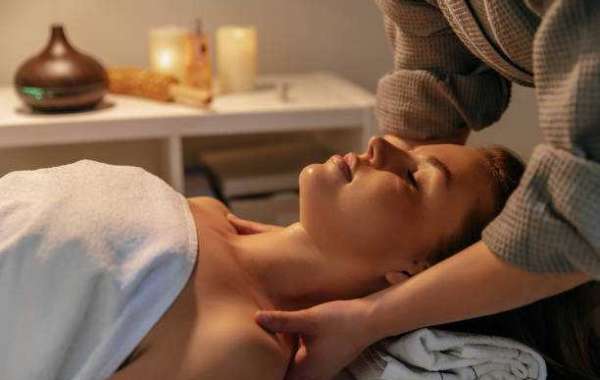

The lymphatic system plays an important role in maintaining fluid balance, supporting immune function, and transporting certain substances throughout the body. Manual lymphatic drainage is a specialized massage technique that uses gentle, rhythmic movements to encourage lymph fluid movement through superficial lymphatic vessels. For people exploring Lymphatic massage in Riyadh (مساج لمفاوي الرياض), understanding the science behind this technique can help clarify how it works, when it may be useful, and why professional assessment matters. Although manual lymphatic drainage has recognized applications in managing certain swelling conditions, its benefits depend on individual health needs and the underlying cause of fluid accumulation.
Understanding the Lymphatic System
The lymphatic system is a network of vessels, lymph nodes, and organs that helps maintain the body’s internal fluid balance. It works alongside the circulatory and immune systems to support normal physiological processes.
How Lymph Fluid Moves Through the Body
Blood vessels deliver fluid and nutrients to tissues. Some fluid leaves the bloodstream and enters the surrounding spaces, where the lymphatic system collects much of the excess and returns it to circulation. This collected fluid, called lymph, travels through lymphatic vessels and passes through lymph nodes before eventually returning to the bloodstream.
Lymph movement depends on several factors, including the natural contractions of lymphatic vessels, muscle activity, breathing, and pressure changes within surrounding tissues. Unlike the heart-driven blood circulation, the lymphatic system does not have one central pump.
The Role of Lymph Nodes
Lymph nodes filter lymph and contain immune cells that help the body recognize and respond to harmful substances. They are part of the immune system rather than simple storage points for fluid. Normal lymphatic function supports both fluid regulation and immune surveillance.
What Is Manual Lymphatic Drainage Massage?
Manual lymphatic drainage, often abbreviated as MLD, is a specialized technique developed to encourage lymph movement through accessible lymphatic pathways. Unlike conventional massage, it focuses on the skin and superficial tissues rather than applying deep pressure to muscles.
How the Technique Works
A trained practitioner uses slow, gentle, rhythmic skin movements in a planned sequence. These movements are intended to influence the superficial lymphatic vessels and encourage fluid movement toward functioning drainage pathways. The precise technique may vary depending on the treatment method, the area involved, and the person’s condition.
Because superficial lymphatic vessels are delicate, stronger pressure is not necessarily more effective. Deep or painful massage does not represent proper manual lymphatic drainage and may be unsuitable for certain medical conditions.
For individuals considering Lymphatic massage in Riyadh, understanding the technique can help them distinguish specialized lymphatic drainage from ordinary relaxation massage.
The Science Behind Its Potential Benefits
Manual lymphatic drainage has a recognized role in selected clinical settings, particularly as part of care for lymphedema. However, research findings vary according to the condition being treated, the treatment protocol, and the outcomes measured.
Supporting Lymphedema Management
Lymphedema occurs when lymph fluid accumulates because the lymphatic system cannot adequately transport it. This may happen following certain cancer treatments, surgery, or damage to lymphatic vessels.
Manual lymphatic drainage may be included in a broader management plan to help control swelling and improve comfort. Comprehensive care can also involve compression therapy, prescribed exercise, skin care, and education. MLD is not a standalone cure, and its additional benefit beyond other treatments can vary between patients.
Effects on Temporary Puffiness
Some people seek lymphatic massage for mild facial or body puffiness. When fluid accumulation is a contributing factor, gentle drainage techniques may provide temporary improvement for selected individuals. However, scientific evidence for routine cosmetic use in otherwise healthy people is more limited, and results may not last.
Swelling can have several causes, including inflammation, medication effects, and medical conditions. Identifying the underlying reason is more important than assuming that lymphatic drainage will resolve the problem.
What About Detoxification and Weight Loss?
The lymphatic system helps transport fluid, immune cells, and certain substances, but claims that massage broadly detoxifies the body or produces lasting fat loss are not well supported by evidence. The liver and kidneys perform major roles in processing and eliminating waste products.
A temporary reduction in fluid-related puffiness is not the same as losing body fat. Manual lymphatic drainage should therefore be understood as a specialized supportive technique rather than a weight-loss or general detoxification treatment.
What Happens During a Session?
A session typically begins with a discussion of symptoms, medical history, and treatment goals. The practitioner may assess the affected area and determine whether the technique is appropriate.
Gentle, Individualized Movements
The practitioner applies light, rhythmic movements to selected areas using a sequence suited to the person's needs. The session should not cause significant pain. The method and duration depend on the treatment area, clinical purpose, and professional recommendations.
Afterward, some people notice changes in tightness or swelling, while others experience little noticeable difference. The number of sessions required, if any, depends on the condition and the overall management plan.
Safety and Medical Considerations
Manual lymphatic drainage is not suitable for every person. Unexplained, persistent, or worsening swelling should be assessed by a healthcare professional before massage is considered.
When to Seek Medical Advice
Massage may be inappropriate in cases involving suspected blood clots, active infection, or certain heart and kidney conditions without medical clearance. Sudden swelling in one leg, particularly with pain, redness, or warmth, requires prompt medical assessment. Chest pain or shortness of breath requires emergency care.
People recovering from surgery should obtain approval from their treating surgeon before beginning lymphatic drainage. Treatment timing and technique must reflect the procedure and stage of healing.
Choosing Professional Lymphatic Massage Care
A qualified practitioner should understand lymphatic anatomy, use appropriate techniques, review relevant health information, and explain realistic expectations. For people exploring Lymphatic massage in Riyadh, professional guidance can help determine whether treatment is suitable and whether additional medical care is needed.
Book a Consultation at Royal Clinic Saudia
Learning about the science behind lymphatic drainage is a useful first step toward making an informed treatment decision. Royal Clinic Saudia ( عيادات رويال كلينك ) can help you discuss your concerns, understand the potential role of lymphatic massage, and identify precautions relevant to your health. If you are considering Lymphatic massage in Riyadh, seek an individualized assessment to understand the available options and their realistic benefits.