
Starting orthodontic treatment is an important step toward achieving a straighter, healthier smile. Dental Braces in Dubai can help correct crooked teeth, overcrowding, gaps, and bite alignment problems. Understanding what happens during treatment can help you feel prepared, manage expectations, and maintain good oral health throughout the process.
Braces gradually move teeth into better positions using controlled pressure. The treatment process involves an initial consultation, fitting the braces, regular adjustments, and proper aftercare. Although every patient has different needs, knowing what to expect at each stage can make the experience more comfortable.
1. Your First Orthodontic Consultation
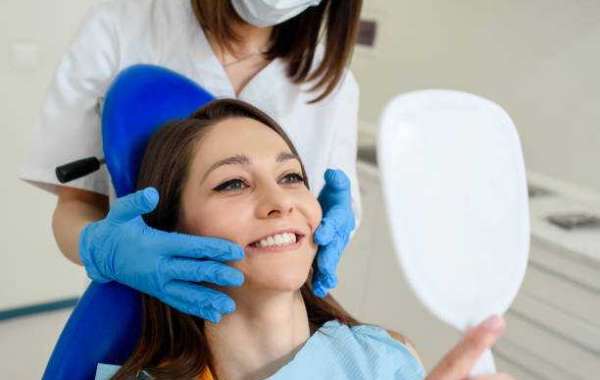
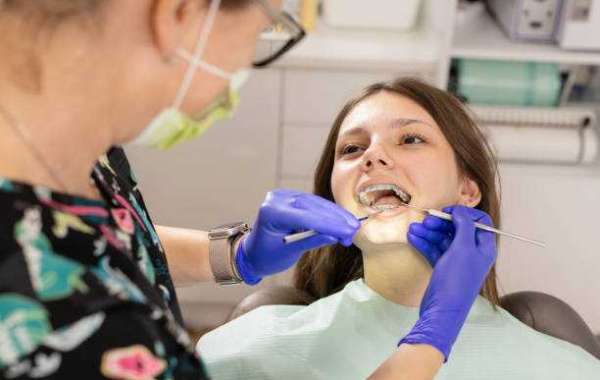
The first step is a consultation with a dentist or orthodontist. During this visit, your dental professional will examine your teeth, gums, bite, and jaw alignment to determine whether braces are suitable for your condition.
Dental X-rays, photographs, or digital scans may be recommended to provide a clearer view of your teeth and their positions. These assessments help identify problems that may not be visible during a routine examination.
You can also discuss your smile goals, treatment options, estimated costs, and expected duration. This appointment is an opportunity to ask questions and understand the benefits and limitations of different orthodontic appliances.
2. Choosing the Right Dental Clinic
Choosing an experienced Dental Clinic is an important part of your orthodontic journey. Look for a provider that offers comprehensive dental assessments, personalized treatment plans, and regular follow-up appointments.
Ask about the orthodontist's qualifications, the types of braces available, and how your progress will be monitored. It is also helpful to understand the expected costs, appointment frequency, and options for handling problems such as loose brackets or broken wires.
A suitable treatment plan should reflect your dental condition and individual needs. Clear communication with your dental team can help you understand each stage and feel more confident about starting treatment.
3. Preparing Your Teeth Before Braces
Before braces are fitted, your teeth and gums should be healthy. If you have cavities, gum inflammation, or significant plaque buildup, your dentist may recommend treatment before orthodontic appliances are placed.
Professional teeth cleaning may be necessary to remove hardened deposits and improve oral hygiene. Your dentist will also explain how to brush and floss effectively once the brackets and wires are in place.
Preparing your teeth properly helps reduce the risk of complications during treatment. It is also a good time to establish a consistent oral care routine that you can maintain throughout the orthodontic process.
4. Getting Your Braces Fitted
The fitting appointment is when your orthodontic appliances are placed on your teeth. For traditional braces, the dentist attaches small brackets to the teeth and connects them with an orthodontic wire.
The procedure is generally straightforward and does not usually require injections because attaching braces does not involve drilling into the teeth. You may need to keep your mouth open for an extended period, but the fitting itself is not typically painful.
After the braces are fitted, your orthodontist will explain how to care for them, what foods to avoid, and when to return for adjustments. Your teeth may feel unusual at first as your mouth adapts to the appliances.
5. Mild Soreness After Fitting
It is normal to experience some tenderness or pressure after getting braces. This happens because the appliances begin applying controlled force to move your teeth gradually.
Discomfort often becomes noticeable during the first few days and usually improves as your mouth adjusts. You may find that soft foods are easier to eat during this period.
Foods such as yoghurt, eggs, soup, mashed potatoes, and soft pasta can be helpful. Orthodontic wax may also reduce irritation if brackets rub against your cheeks or lips. Follow your dentist's advice about pain relief and contact the clinic if pain is severe or persistent.
6. Regular Adjustments and Progress Checks
Braces treatment requires regular appointments so your orthodontist can monitor tooth movement and make necessary adjustments. During these visits, the wire may be changed or adjusted to guide your teeth toward their planned positions.
You may feel mild pressure or tenderness after an adjustment, but this generally settles within a few days. Your orthodontist will also check whether the brackets and wires remain in good condition.
The frequency of appointments depends on your treatment plan and the type of braces you use. Attending scheduled visits helps your dental team monitor progress and address concerns promptly.
7. Eating and Drinking With Braces
Your eating habits may need to change while wearing braces. Hard, sticky, and very chewy foods can damage brackets or wires, while sugary snacks and drinks can increase the risk of tooth decay.
Consider limiting foods such as hard sweets, ice cubes, caramel, and chewing gum. Avoid biting directly into hard fruits or vegetables; instead, cut them into smaller pieces.
Soft foods, including rice, pasta, cooked vegetables, fish, and eggs, are often easier to manage. Drink plenty of water and maintain a balanced diet to support your overall oral health.
8. Maintaining Oral Hygiene During Treatment
Brushing and flossing become especially important when you have braces. Food particles and plaque can accumulate around brackets, increasing the risk of cavities, gum inflammation, and white spots on the teeth.
Brush at least twice daily with fluoride toothpaste, taking care to clean above and below each bracket. Clean between your teeth every day using floss, a floss threader, or another suitable interdental aid.
An orthodontic toothbrush or interdental brush may help reach difficult areas. Continue attending routine dental examinations and follow your dentist's recommendations for professional cleaning.
9. How Long Does Braces Treatment Take?
The length of orthodontic treatment varies depending on the complexity of the alignment problem and the type of appliance used. Some patients may complete treatment in around 12 months, while others may need two years or longer.
Factors that affect treatment duration include tooth crowding, bite problems, individual tooth movement, and how consistently the patient follows instructions. Missing appointments or damaging braces may also cause delays.
Your orthodontist can provide an estimated timeline after examining your teeth. Remember that treatment duration is individual, and trying to move teeth faster without professional guidance can cause harm.
10. Removing Braces and Maintaining Results
When your teeth reach their planned positions, your orthodontist will remove the braces. The brackets are carefully detached, and any remaining adhesive is cleaned from the tooth surfaces.
Your dentist may then assess your bite and the alignment of your teeth. Retainers are usually prescribed to help prevent teeth from shifting back toward their previous positions.
Wear your retainers according to your orthodontist's instructions and continue brushing and flossing daily. Retention is an essential part of maintaining the results achieved through treatment.
Final Thoughts
Braces treatment involves several stages, from the first consultation and fitting to regular adjustments and long-term retention. Understanding each stage can help you prepare for temporary discomfort, maintain good oral hygiene, and follow your orthodontist's instructions. With patience, consistent care, and professional guidance, Dental Braces can help you achieve a straighter smile and improved dental alignment.