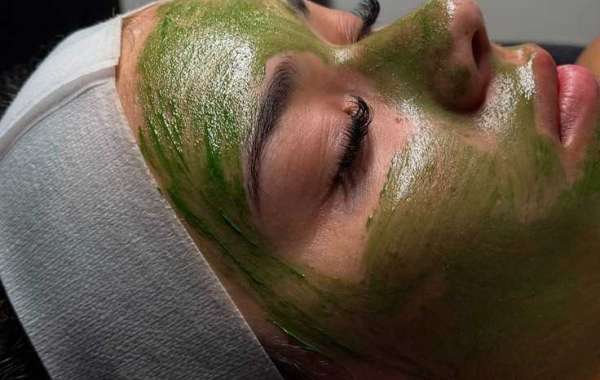

Pain tolerance varies enormously between individuals, which makes this one of the hardest questions to answer in general terms. Green Peel Treatment in Dubai involves an active herbal formulation and a firm massage technique, so some sensation is unavoidable. What matters more than a simple yes-or-no answer is understanding the type of sensation involved, how long it lasts, and what can be done to keep it manageable. This article explains what patients typically feel at each stage, the factors that influence comfort, and when discomfort should prompt a conversation with the clinician.
The Nature of Sensation During Treatment
Patients often arrive expecting either nothing at all or significant pain. The reality usually sits between those extremes. Most describe a warming or tingling sensation when the herbal formulation is applied, followed by firm pressure during the massage phase.
The sensation is active rather than sharp. It tends to build gradually rather than arriving all at once. Many patients find it comparable to a vigorous facial massage combined with a mild stinging effect from the product.
Green Peel Treatment Comfort During Application
The application phase is typically the shortest and the most noticeable in terms of tingling. As the product contacts the skin, patients may feel:
Warmth spreading across the treated area
A prickling or stinging sensation
Mild tightness as the formulation begins to act
These sensations generally peak early and then settle. If they intensify rather than ease, that is worth reporting to the practitioner immediately.
What the Massage Phase Feels Like
The massage is where most of the physical sensation occurs. The practitioner applies structured pressure to work the formulation into the skin, and the intensity depends on the treatment area and the planned depth of action.
Patients commonly describe it as firm but tolerable. Areas with thinner skin, such as around the eyes and along the jawline, may feel more sensitive than the cheeks or forehead. This variation is normal.
The practitioner should adjust pressure based on feedback. Communication during this phase is not a sign of weakness; it helps the clinician calibrate the treatment appropriately.
Green Peel Treatment Pain Threshold Factors
Several variables influence how intense the experience feels for any given patient:
Individual pain tolerance – Some patients simply feel sensations more acutely.
Skin sensitivity – Reactive or thin skin tends to be more responsive.
Treatment intensity – A more aggressive plan involves more sensation.
Treatment area – Delicate regions are generally more sensitive.
Recent skincare use – Active ingredients can increase reactivity.
Nervousness – Anticipation can amplify perceived discomfort.
Understanding these factors helps patients set realistic expectations rather than comparing their experience to someone else's account.
How Clinicians Reduce Discomfort
Comfort management is part of skilled practice. Practitioners reduce sensation through several techniques:
Preparing the skin properly before application
Applying the formulation evenly rather than in concentrated patches
Adjusting massage pressure in response to feedback
Pacing the session rather than rushing through phases
Pausing when needed to let sensations settle
Using cooling or soothing steps between phases where appropriate
A clinician who ignores a patient's feedback about discomfort is not practicing well. Communication should flow both ways throughout the session.
Green Peel Treatment Anesthesia and Numbing
Unlike some procedures, this treatment typically does not require injectable anesthesia or numbing creams. The sensation involved is generally manageable without them, and the absence of anesthesia means patients remain fully able to report what they feel.
Some clinics may offer a topical numbing agent for patients with particular sensitivity, but this is a clinical decision rather than a standard step. Patients should ask about options if they are concerned.
Discomfort After the Session
Sensation does not always stop when the appointment ends. In the hours following treatment, the skin may feel warm, tight, or mildly stinging. This typically settles over the first day.
During the flaking phase, some patients notice itching as the skin sheds. This is usually manageable with moisturizer and the firm instruction not to scratch. Persistent or worsening discomfort is not expected and should be reviewed.
When Discomfort Becomes a Concern
Some level of sensation is normal. What is not normal includes:
Sharp or shooting pain during treatment
Discomfort that worsens rather than improves after the session
Severe swelling or blistering
Burning that persists well beyond the expected window
Increasing pain in the days following treatment
These signs warrant prompt contact with the treating clinic. Early review is almost always simpler than waiting to see whether things settle on their own.
Managing Expectations Around Comfort
Patients who expect zero sensation are sometimes startled by normal treatment effects, while those who expect severe pain are often pleasantly surprised. Accurate expectations reduce anxiety, and reduced anxiety tends to reduce perceived discomfort.
Discussing comfort openly during consultation helps. Clinics that welcome this conversation before treatment tend to deliver a calmer experience overall. Tajmeels Clinic in Dubai encourages patients to share concerns about sensitivity during assessment, which allows the treatment plan to be adjusted to individual tolerance rather than applied uniformly.
Key Takeaways
Green Peel Treatment in Dubai generally involves a warming, tingling, and firm pressure sensation rather than sharp pain, and most patients tolerate it without anesthesia. Comfort depends on individual sensitivity, treatment intensity, and the area being treated. Communication during the session is the most effective way to keep discomfort manageable.
If pain tolerance is a concern for you, raise it during consultation rather than after treatment begins. A clinician who listens and adjusts is demonstrating the kind of care that supports a safe and tolerable experience.
Book Your Consultation at Tajmeels Clinic
Book your consultation at Tajmeels Clinic to discuss your goals, treatment options, expected results, and recovery with our medical team. Contact us today to learn whether treatment is suitable for you and receive an individualized treatment plan.
WhatsApp: +971 56 203 8751
Phone: +971 4 373 9000
Social Media: