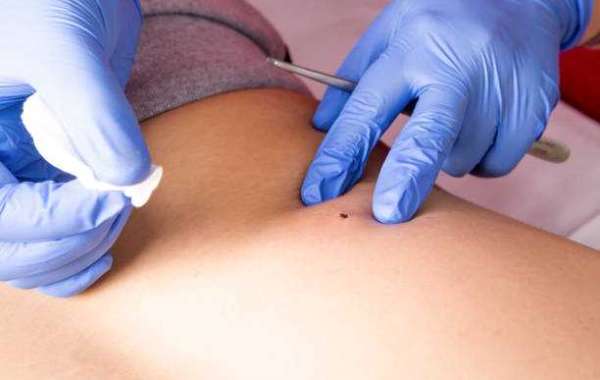

While many moles are harmless, some may require medical evaluation before removal to ensure the procedure is appropriate and safe. Understanding how a mole is assessed helps patients make informed decisions about their skin health and appearance. Before proceeding with Mole Removal in Riyadh, a qualified healthcare professional examines the mole, reviews its history, and determines whether further investigation is necessary.
People searching for mole removal near me often want to understand whether their mole can be removed for cosmetic reasons or needs medical attention first. A proper evaluation helps distinguish between ordinary moles and suspicious skin changes. At a professional clinic, the assessment typically considers the mole’s appearance, development over time, location, and any symptoms. This process supports personalized treatment planning while prioritizing skin health and patient safety.
Why Is a Mole Evaluated Before Removal?
Mole evaluation is an important first step because not every skin growth should be removed immediately. Some moles remain stable for years, while others may develop changes that require closer examination. A healthcare professional assesses these differences to determine the most appropriate next step.
The evaluation also helps establish whether a mole is suitable for a cosmetic procedure or whether a biopsy and laboratory examination may be needed. Identifying potential concerns before removal reduces the risk of overlooking an important skin condition and helps ensure that the selected approach meets the patient's needs.
What Happens During a Mole Evaluation?
Visual Examination of the Mole
The first stage usually involves examining the mole closely. The healthcare professional looks at its color, shape, borders, size, and surface characteristics. The surrounding skin may also be examined to identify additional changes or unusual growths.
A tool called a dermatoscope may be used to view structures within the skin that are not easily visible to the naked eye. This examination can provide useful information about whether the mole appears benign or requires further assessment.
Reviewing Changes Over Time
The history of a mole is another important part of the evaluation. Patients may be asked when they first noticed it, whether it has grown, and if its appearance has changed recently. Information about itching, bleeding, tenderness, or crusting can also help guide the assessment.
A mole that changes noticeably should not automatically be considered harmless. New or evolving growths may require prompt medical attention, particularly when several unusual features appear together.
Using the ABCDE Warning Signs
Healthcare professionals often consider the ABCDE warning signs when evaluating pigmented moles. Asymmetry means one half looks different from the other. Border irregularity refers to uneven or poorly defined edges. Color variation describes the presence of multiple shades within one mole. Diameter can be relevant when a mole is larger than approximately six millimeters, although smaller lesions can also be concerning. Evolution refers to changes in size, shape, color, or symptoms over time.
These signs are useful guidelines rather than a definitive diagnosis. Any suspicious lesion should be assessed by an appropriately qualified professional.
Are Additional Tests Needed Before Mole Removal?
Dermoscopy and Skin Assessment
If the initial examination raises questions, dermoscopy or a more detailed skin assessment may help determine the next step. The healthcare professional may also examine other areas of the skin, depending on the patient's history and the characteristics of the mole.
Biopsy and Laboratory Examination
When a mole appears suspicious, a biopsy may be recommended. This involves removing a sample or the entire lesion, depending on the clinical circumstances, so it can be examined under a microscope. The results help determine whether further treatment is necessary.
Suspicious moles should not simply be destroyed using cosmetic techniques that prevent proper tissue examination. A suitable diagnostic approach should be established before proceeding.
How Is the Right Removal Method Selected?
The recommended method depends on the mole's characteristics, location, depth, and evaluation findings. Options may include surgical excision or other techniques for lesions confirmed to be appropriate for cosmetic treatment. The healthcare professional should explain the expected healing process, possible scarring, and any aftercare requirements.
Patients should also understand that complete scar-free removal cannot be guaranteed. Following professional advice and protecting the healing skin can support recovery.
Frequently Asked Questions
1. Is every mole safe to remove?
No. Most moles are harmless, but suspicious lesions require appropriate medical assessment before a removal method is selected.
2. Does mole evaluation hurt?
A visual examination and dermoscopy are generally painless. If a biopsy is needed, local anesthesia is commonly used to reduce discomfort during the procedure.
3. How long does a mole evaluation take?
The duration depends on the number of moles, their characteristics, and whether additional examination or testing is required.
4. Can a mole be removed for cosmetic reasons?
Yes, some benign moles can be removed for cosmetic reasons after an appropriate assessment confirms that removal is suitable.
5. When should I seek medical advice about a mole?
Seek prompt evaluation if a mole changes in appearance, develops irregular borders or multiple colors, grows, bleeds, or becomes persistently itchy or painful.
Schedule a Mole Consultation at Enfield Royal Clinic
If you are considering mole removal, a professional assessment is an important first step toward making an informed decision. Enfield Royal Clinic can be your starting point for learning about suitable evaluation and treatment options in Riyadh. Arrange a consultation to discuss your concerns, understand the recommended approach, and receive guidance tailored to your skin's needs.




