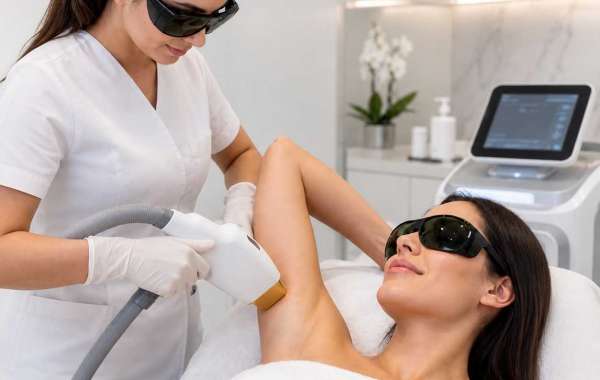

Smooth skin without the daily routine of shaving, waxing, or plucking is a promise that attracts thousands of people every year. The technology behind it is genuine, but the results and safety depend heavily on the person operating the device. Many people searching for Laser Hair Removal in Islamabad focus on price, packages, and promotions, while overlooking the single factor that matters most. Choosing a qualified provider is the difference between a comfortable, effective treatment and a painful, disappointing, or even harmful experience.
How Laser Hair Removal Actually Works?
Laser hair removal uses concentrated light energy that is absorbed by melanin, the pigment found in hair. The light travels down the hair shaft to the follicle and heats it enough to damage its ability to produce new hair. Because hair grows in cycles, and only follicles in the active growth phase respond well, multiple sessions are needed to catch every hair at the right stage.This sounds simple, but the same pigment that makes the treatment work also exists in your skin. The device must be set precisely so that it targets the hair without harming the surrounding skin. This balance is exactly where professional expertise becomes essential.
Why Qualifications Matter More Than the Machine?
Many clinics advertise impressive devices, but a machine is only as safe as the hands using it. Different lasers work in different ways, and settings such as wavelength, pulse duration, energy level, and cooling must be adjusted for each patient and each body area. A trained practitioner understands how skin tone, hair thickness, hair color, and even recent sun exposure affect these choices.An untrained operator may rely on default settings or copy what worked on a previous client. That shortcut can lead to burns, pigmentation changes, and poor results. Training, certification, and hands-on experience are what allow a provider to make correct decisions in real time.
The Importance of a Proper Skin and Hair Assessment
A qualified provider never starts treatment without a thorough assessment. This includes evaluating your skin type, hair color and density, medical history, medications, and any history of scarring, cold sores, or skin conditions. Certain medications and treatments, such as those that increase light sensitivity, can raise the risk of side effects.Hormonal conditions are also relevant. Women with excess facial or body hair linked to hormonal imbalance may need medical evaluation alongside laser sessions, since new hair can keep appearing if the underlying cause is not addressed. A good provider recognizes this and refers you appropriately instead of simply selling more sessions.
Safety Risks of Choosing an Unqualified Operator
When laser treatment is performed poorly, the consequences can be serious. Burns and blisters occur when too much energy is delivered or cooling is inadequate. Hyperpigmentation, which leaves dark patches, and hypopigmentation, which leaves lighter patches, can develop and sometimes take months to fade, or may become long lasting.Other risks include scarring, infection, eye injury from improper protection, and a rare effect called paradoxical hair growth, where hair becomes thicker or appears in new areas. Most of these problems are preventable with proper training, correct settings, and appropriate patient selection.
Treating Different Skin Tones Safely
Skin tone is one of the most important considerations in laser treatment. Darker skin contains more melanin, which competes with the hair for laser energy, increasing the risk of burns and pigment changes. Not every device suits every skin type, and some lasers are far safer than others for deeper tones.A qualified provider knows which technology and settings are appropriate, often performing a small test patch before treating larger areas. This careful approach is especially valuable in a region where many people have medium to deep skin tones, and it is a clear mark of a professional service.
What Hair Types Respond Best?
Laser works best on dark, coarse hair, because there is plenty of pigment to absorb the light. Fine, light, grey, white, or red hair contains little melanin and may respond poorly or not at all. An honestprovider tells you this during consultation rather than promising results that biology cannot deliver.Being realistic from the start saves money and frustration, and it is another way to recognize a trustworthy clinic.
Hygiene and Clinical Standards
Even though laser treatment does not involve needles, hygiene still matters. The treatment area should be clean, devices sanitized between clients, and disposable items used where appropriate. Protective eyewear must be provided for both patient and practitioner.A professional clinic maintains its equipment regularly, since poorly maintained devices may deliver inconsistent energy. Clean surroundings, organized procedures, and visible safety measures reflect a provider who takes responsibility seriously.
Preparing for Your Sessions
A qualified provider explains how to prepare. You will generally be asked to shave the area before treatment, since the laser targets the follicle beneath the skin and surface hair can cause burning. Waxing, plucking, and threading should be avoided for several weeks beforehand, because these methods remove the root that the laser needs to target.Sun exposure and tanning should also be avoided before and after treatment. Tanned skin increases the risk of complications, and a responsible provider may postpone your session if your skin is too tanned.
What to Expect During and After Treatment?
During a session, a cooling mechanism protects the skin while pulses of light are delivered. Most people describe the sensation as a quick snap or sting, and it is generally tolerable. Small areas take minutes, while larger areas such as the legs or back may take longer.Afterward, mild redness and slight swelling around the follicles are common and usually settle within hours to a couple of days. Aftercare typically includes avoiding heat, such as saunas and hot showers, staying out of the sun, using sunscreen, and avoiding harsh scrubs or fragranced products on the treated skin.
Why Multiple Sessions and Follow-Up Matter?
Because hair grows in cycles, most people need a series of sessions spaced several weeks apart. Results build gradually, with hair becoming finer, sparser, and slower to return. A qualified provider designs a schedule suited to the body area and your hair growth pattern, adjusting settings as your response changes.Follow-up is important. A good clinic monitors your progress, addresses concerns, and recommends occasional maintenance sessions where needed, since some people experience partial regrowth over time due to hormones or genetics.
Understanding Realistic Results
Laser hair removal is often described as permanent hair reduction rather than guaranteed permanent removal. Many people achieve a significant, long-lasting decrease in hair, but a few fine hairs may remain or return later. Clinics that promise complete and permanent removal in one or two sessions are exaggerating.Setting accurate expectations protects you from disappointment and helps you judge whether a provider is being honest.
Red Flags to Watch For
Several warning signs suggest a provider may not be qualified. Be cautious if there is no consultation, no questions about your medical history, no patch test, or no clear explanation of risks. Extremely low prices, aggressive package selling, and unwillingness to discuss training or experience are also concerning.If staff cannot explain the type of laser being used, or if you are not offered eye protection, consider going elsewhere. Your skin is not worth gambling with.
Questions to Ask Before Booking
Ask about the practitioner’s training and experience, the type of device used and its suitability for your skin tone, how many sessions are typically required, and what happens if you experience a reaction. Ask whether a patch test is offered and what aftercare support is included.A confident, professional provider welcomes these questions and answers them clearly. Hesitation or vague responses usually signal a service that is not ready to be held accountable.
Conclusion
Laser hair removal can deliver smooth, low-maintenance skin, but only when it is performed safely and skillfully. The technology is powerful, which is exactly why qualifications, experience, and proper assessment matter so much. A qualified provider chooses the right settings for your skin and hair, protects you from burns and pigmentation problems, gives honest expectations, and supports you throughout the treatment course. Instead of choosing based on price alone, take time to ask questions, check credentials, and observe the clinic’s standards. By prioritizing expertise and safety, you give yourself the best chance of lasting results and the confidence of knowing your skin is in capable hands.
Read More :
https://instaconnect.co//read-blog/150457