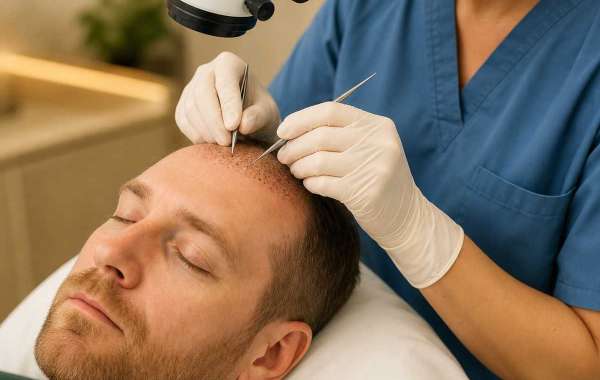

Hair restoration is a medical procedure that combines surgical precision with artistic judgment, and the method you choose directly shapes both the outcome and the investment. Two techniques dominate the field today: Follicular Unit Extraction (FUE) and Follicular Unit Transplantation (FUT). Each has its own process, recovery profile, and pricing structure. Patients who research Hair Transplant Cost in Islamabad quickly find that figures vary widely, which makes it hard to know what is fair and what is misleading. This guide explains how FUE and FUT differ, what drives the price of each, and how to judge value rather than chasing the lowest number.
Why Hair Transplant Pricing Is Never a Single Number?
A hair transplant is not a product with a fixed price tag. It is a personalized surgical service, and the final quote depends on your scalp, your goals, and the technique used. Two patients visiting the same clinic on the same day can receive very different estimates because their donor supply, area of baldness, and desired density are not the same.For this reason, any clinic that quotes a firm price without examining your scalp deserves caution. A reliable estimate follows a proper consultation, where the surgeon evaluates your hair loss pattern, donor density, hair thickness, and long-term plan.
Understanding FUE: How the Technique Works
In FUE, individual follicular units are extracted one at a time from the donor area, usually the back and sides of the scalp, using a fine micro-punch tool. These grafts are then implanted into the thinning or bald areas. Because no strip of skin is removed, there is no linear scar, only tiny dot-like marks that are easily hidden even with short hair.Recovery is generally quick and comfortable. Most patients return to routine activities within a few days, and the technique suits people who like to wear their hair short. However, FUE is time-intensive, since every graft is harvested individually, and that labor is reflected in the cost.
Understanding FUT: How the Technique Works
FUT, sometimes called the strip method, involves removing a thin strip of tissue from the donor area. The strip is then dissected under magnification into individual grafts and implanted into the recipient zone. The donor wound is closed with fine sutures, leaving a narrow linear scar that is usually concealed by surrounding hair.FUT can deliver a large number of grafts in a single session and makes efficient use of the donor area. It may suit patients needing extensive coverage who plan to keep their hair at a moderate length. Recovery involves some tightness and tenderness along the donor line, and strenuous activity must be limited for a few weeks.
FUE vs FUT: A Cost Comparison Explained
In most clinics, FUE is priced higher than FUT. The reason is not that one is better, but that FUE requires more surgeon and technician time, specialized extraction equipment, and a longer procedure for the same number of grafts. FUT is typically faster per graft, which can lower the per-graft rate.That said, the cheaper option on paper is not automatically the better value. The right technique for your case matters more than the price difference. A patient who needs a very large session may find FUT more practical, while someone who wants no visible linear scar may reasonably prefer FUE and accept the added cost.
Key Factors That Influence the Final Price
Number of Grafts Required
The size of the bald or thinning area determines how many grafts you need, and graft count is the single biggest cost driver. Larger areas require more grafts, longer operating time, and greater resources.
Surgeon Experience and Team Expertise
Hair transplantation is highly technical, and the quality of hairline design, graft handling, and angle placement depends on skill. Experienced teams naturally charge more, yet this expertise protects you from poor density, unnatural hairlines, and wasted donor hair.
Clinic Standards and Technology
Sterile operating conditions, modern instruments, magnification equipment, and trained support staff all contribute to safety and graft survival. A professional facility invests in these standards, and that investment is part of the price.
Donor Hair Quality and Characteristics
Hair thickness, curl, color, and density affect planning. Patients with limited donor supply may need more careful strategy, which can influence the length and complexity of the procedure.
Session Length and Complexity
Cases involving crown restoration, repair of a previous poor transplant, or very high density goals demand extra time and precision. Complexity increases the cost accordingly.
Aftercare and Follow-Up
Medications, post-operative instructions, follow-up appointments, and sometimes supportive treatments such as platelet-rich plasma may or may not be included in the quote. Always ask exactly what is covered.
Hidden Costs and What to Ask Before Booking
Many patients are surprised by extras that were not discussed up front. Ask whether the quote includes the consultation, anesthesia, medications, post-operative products, and follow-up visits. Clarify whether pricing is per graft or a package, and what happens if a touch-up session is required.Be cautious of very low offers. Unusually cheap procedures often involve inexperienced operators, rushed sessions, or compromised hygiene, and corrective surgery later can cost far more than doing it properly the first time.
Benefits of Each Technique
FUE offers minimal scarring, faster healing, and flexibility for short hairstyles. FUT offers the ability to transplant many grafts in one session, an efficient use of donor hair, and often a lower cost. Both methods, when performed well, produce permanent, natural-looking results because transplanted follicles are taken from areas genetically resistant to balding.
Who Is Suitable for Hair Transplantation?
Good candidates are generally adults with stable, permanent pattern hair loss, healthy donor hair, and realistic expectations. Men with receding hairlines or crown thinning and women with localized thinning can benefit. Very young patients, whose loss is still unpredictable, may be advised to wait or begin with medical treatment.People with active scalp conditions, unstable medical issues, or extremely limited donor hair may need alternative approaches first. Only a proper evaluation can determine suitability.
Limitations and Possible Risks
No transplant creates unlimited hair. Donor supply is finite, so careful planning is essential. Transplanted hair sheds in the first weeks and regrows over several months, so results are not immediate.ossible side effects include swelling, redness, scabbing, temporary numbness, and, rarely, infection or poor graft growth. FUT carries the added consideration of a linear scar, while FUE can leave small marks if the donor area is overharvested. Choosing a skilled surgeon significantly reduces these risks.
Alternatives to Surgical Hair Restoration
Not everyone needs surgery. Medical therapies such as minoxidil and prescribed oral medication can slow loss and thicken existing hair. Platelet-rich plasma therapy, low-level laser treatment, and scalp micropigmentation offer non-surgical ways to improve density or the appearance of fullness. Many surgeons recommend combining a transplant with medical treatment to protect native hair.
Realistic Expectations and Recovery Timeline
Scabs and swelling settle within one to two weeks. Transplanted hairs usually shed in the second to fourth week, which is normal. New growth begins around the third or fourth month, with visible improvement by six to nine months and final results maturing between twelve and eighteen months.Patience and good aftercare are as important as the technique itself. Avoid scratching, protect the scalp from sun, and follow all instructions on washing and activity.
Choosing the Right Clinic for Your Investment
Look for qualified surgeons, transparent pricing, honest before-and-after photographs taken in consistent lighting, and a clinic that explains why it recommends FUE or FUT for your specific case. A trustworthy provider encourages questions, discusses risks openly, and offers clear follow-up support rather than applying pressure.
Conclusion
The choice between FUE and FUT should be driven first by your scalp, your goals, and your long-term hair loss pattern, and only then by cost. FUE usually costs more because of its time-intensive process and absence of a linear scar, while FUT often offers greater efficiency for large sessions at a lower price. Graft count, surgeon expertise, clinic standards, and aftercare all shape the final quote, so a personalized consultation is the only reliable way to know what your treatment will involve. Compare complete packages rather than headline numbers, avoid suspiciously low offers, and choose a team you trust. With the right technique, realistic expectations, and professional care, a hair transplant can deliver natural, lasting results that justify the investment.
Read More :
https://instaconnect.co//read-blog/150951_hair-transplant-cost-for-fut-hair-restoration-procedures-at-glamorous.html




