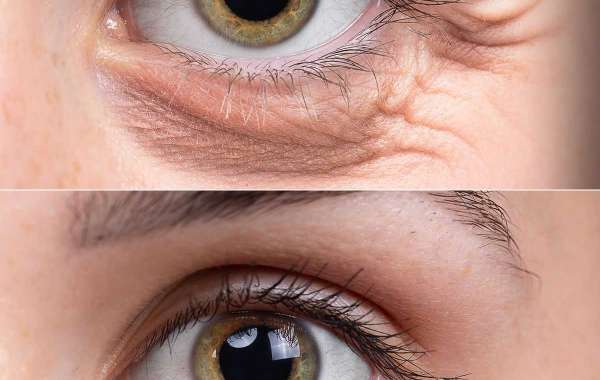

Eye bags can make the face appear tired or older, even when a person feels well-rested. They may develop because of aging, genetics, fluid retention, or changes in the skin and tissues surrounding the eyes. Although under-eye bags are common, some people choose treatment to achieve a smoother, more refreshed appearance.
Understanding the eye bag removal process can help you prepare for a consultation and make informed decisions. Depending on the cause and severity of the concern, treatment may involve lifestyle adjustments, non-surgical procedures, or surgery. Each approach has different benefits, limitations, risks, and recovery requirements.
What Is Eye Bag Removal?
Eye bag removal in Islamabad refers to treatments designed to improve the appearance of puffiness, prominent fat deposits, or excess skin beneath the eyes. The appropriate approach depends on the underlying cause of the concern.
Temporary puffiness may be associated with fluid retention, allergies, or sleep patterns. Persistent bags may develop when fat beneath the eyes becomes more prominent as supporting tissues weaken with age. Loose skin can also contribute to an uneven under-eye appearance.
Because these issues have different causes, there is no single treatment that works for everyone. A qualified medical professional can assess the area and recommend options based on your anatomy, health, and expectations.
Step One: Initial Consultation and Assessment
The first stage of eye bag removal is a consultation. During this appointment, the provider evaluates the lower eyelids, skin elasticity, fat distribution, and overall facial structure.
You should explain what concerns you most, when the bags first appeared, and whether their appearance changes throughout the day. Share your medical history, allergies, medications, previous cosmetic procedures, and any eye-related symptoms.
The provider may discuss whether your concern involves puffiness, loose skin, under-eye hollows, or pigmentation. These conditions can look similar but may require different approaches.
This is also the time to discuss expected results, possible complications, recovery time, and costs. A responsible provider will explain the limitations of treatment and help you decide whether proceeding is appropriate.
Step Two: Choosing the Right Treatment
Once the underlying concern has been assessed, the next step is selecting a suitable treatment.
Non-Surgical Options
For mild puffiness, lifestyle changes may be helpful. Getting consistent sleep, staying hydrated, reducing excess salt intake, and using a cool compress can sometimes improve temporary swelling.
Skincare products may support hydration and improve the appearance of fine lines. Selected professional skin treatments may help with mild skin-texture concerns or laxity.
In carefully selected cases, dermal fillers may improve hollows beneath the eyes. However, fillers do not remove eye bags and may worsen puffiness in some people. Injectable treatments around the eyes also carry rare but serious risks, including vascular complications that can affect vision.
Surgical Eye Bag Removal
Lower eyelid blepharoplasty may be considered when prominent fat deposits or excess skin create persistent bags. Depending on the individual's anatomy, the surgeon may remove or reposition fat and address loose skin.
The technique may involve an incision inside the lower eyelid or near the eyelashes. The surgeon determines the appropriate approach based on skin condition, fat distribution, and treatment goals.
Surgery may provide more substantial and longer-lasting improvement for certain concerns, but it requires recovery time and involves potential complications. Your surgeon should explain the risks and alternatives before you make a decision.
Step Three: Preparing for Treatment
Preparation depends on the selected procedure. Before treatment, provide complete information about your medical history, medications, supplements, allergies, and previous eye procedures.
If surgery is planned, follow your surgeon's instructions regarding medication adjustments, smoking, alcohol, eating, and drinking before anesthesia. Never stop prescribed medication without medical guidance.
Arrange transportation home if sedation or anesthesia will be used. You may also want to organize help with daily activities during the early recovery period.
For non-surgical procedures, ask whether you should temporarily avoid particular skincare products, supplements, or medications. Following personalized instructions can help reduce avoidable risks.
Step Four: What Happens During Treatment?
The treatment itself varies according to the selected method.
Non-surgical procedures may involve applying a topical product, using a professional device, or administering injections. The provider should explain each step and discuss expected sensations, possible side effects, and any necessary eye protection.
Surgical eye bag removal is performed by a qualified surgeon using an appropriate anesthetic approach. The surgeon treats the targeted tissues according to the agreed plan. The procedure's duration and technique vary with individual needs.
After treatment, you will receive instructions about wound care or skin care, medication, activity restrictions, and follow-up appointments. Make sure you understand how to contact the provider if concerns arise.
Step Five: Recovery and Aftercare
Recovery is an important part of the treatment process. After surgery, bruising, swelling, and temporary discomfort are common. Many patients need approximately one to two weeks before returning to some everyday activities, although individual healing varies. Subtle swelling may take several weeks or longer to resolve.
Follow your surgeon's instructions about cleaning the area, using prescribed medication, keeping your head elevated if advised, and avoiding strenuous exercise. Do not rub your eyes or apply unapproved products near healing incisions.
Non-surgical procedures often involve less downtime, but redness, bruising, tenderness, or swelling may still occur. Follow the provider's guidance on makeup, skincare, exercise, and sun exposure.
Sudden vision changes, severe pain, or rapidly worsening swelling after a procedure near the eyes require urgent medical assessment.
Step Six: Monitoring Your Results
The final outcome may not be immediately visible because swelling and bruising can temporarily affect the appearance of the under-eye area.
As healing progresses, the treated area gradually settles. The timeline depends on the procedure, skin condition, and individual healing response.
Surgical results can last for many years, but natural aging continues. Non-surgical results vary and may require maintenance treatments. Follow-up appointments allow your provider to monitor recovery and discuss any remaining concerns.
Conclusion
Understanding the eye bag removal process helps you prepare for treatment and set realistic expectations. From the initial consultation to aftercare, each stage plays an important role in selecting an appropriate approach and supporting recovery.
The right option depends on the cause of your under-eye bags, your health, and the improvement you hope to achieve. Consult a qualified professional to discuss available treatments, potential risks, and the best plan for your individual needs.
Frequently Asked Questions
1. How long does the eye bag removal process take?
The timeline depends on the treatment. A non-surgical appointment may be relatively brief, while surgery involves additional preparation and recovery. Your provider can explain the expected schedule for your procedure.
2. Is eye bag removal painful?
The level of discomfort varies. Surgical procedures use an appropriate anesthetic, while non-surgical treatments may cause temporary discomfort or tenderness. Your provider should explain pain management and what to expect.
3. When can I return to normal activities after eye bag removal?
Many surgical patients resume some everyday activities within one to two weeks, although recovery varies. Non-surgical treatments may require less downtime. Always follow your provider's instructions.
4. How can I explore Eye Bag Removal in Islamabad?
If you are considering Eye Bag Removal in Islamabad, consult a qualified medical professional who can assess your under-eye concerns, explain the treatment process, and discuss suitable options, expected results, recovery, and potential risks.
For more information visit
Enfield royal clinic in islamabad