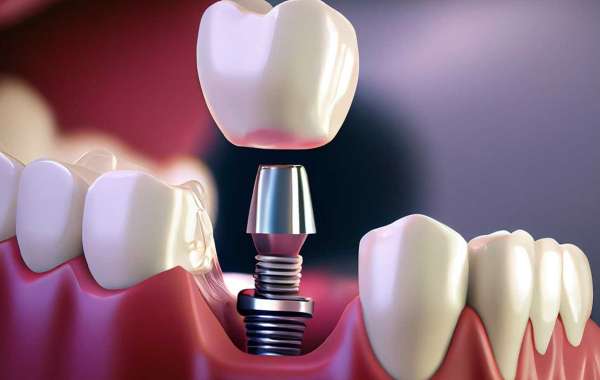

Losing a tooth can change the way you enjoy meals, speak with others, and feel about your smile. Although some people adapt to a missing tooth, others experience difficulty chewing or become self-conscious about the gap. Modern restorative dentistry offers several ways to address these concerns, including dental implants. For patients exploring Dental Implant in Islamabad, understanding how implants fit into daily life can make the decision easier and more informed.
How Can Missing Teeth Affect Daily Life?
A missing tooth may seem like a small problem initially, but its effects can become more noticeable over time. Depending on the location of the gap, chewing certain foods may become uncomfortable or less efficient. Some people also feel hesitant to smile in photographs or speak confidently in social situations.
When a tooth is lost, the neighbouring teeth may gradually shift into the available space. This does not happen in every case, but changes in tooth position can sometimes affect the bite and make cleaning more difficult. Bone in the area of a missing tooth can also gradually change because it no longer receives stimulation from the tooth root.
For these reasons, people researching Dental Implant in Islamabad should consider both their immediate concerns and their long-term oral health. A dental examination can help determine whether replacing the missing tooth is advisable and which treatment would be most appropriate.
What Makes Dental Implants Different?
A dental implant replaces the root of a missing tooth with a small implant placed in the jawbone. Once healing has progressed sufficiently, a crown or another suitable restoration is attached to complete the replacement.
Unlike a traditional dental bridge, an implant can often support a replacement tooth without requiring the neighbouring teeth to be prepared as supporting structures. However, implants involve surgery and require adequate bone support, careful planning, and ongoing maintenance.
People considering Dental Implant in Islamabad should understand that implants are not automatically the best solution for every missing tooth. The condition of the surrounding teeth, the health of the gums, the available bone, and the patient's medical history all influence the treatment recommendation.
A qualified dental professional can explain how an implant compares with a bridge or removable denture in the context of your individual needs.
Can Dental Implants Make Eating More Comfortable?
One potential advantage of a well-functioning implant restoration is improved chewing compared with an unstable or poorly fitting replacement. Because the implant is anchored in the jawbone, it can provide support for a fixed tooth that does not need to be removed for routine cleaning.
Nevertheless, the experience varies between patients. Healing must be completed appropriately, and the final crown needs to be designed to work comfortably with the opposing teeth. Bite alignment is particularly important because excessive forces may contribute to mechanical complications.
During a consultation for Dental Implant in Islamabad, discuss the foods you currently struggle to eat and whether your bite requires additional assessment. Your dental professional can explain what improvement may reasonably be expected and whether another treatment option might provide a better result.
Why Is Gum Health Important Before Treatment?
Healthy gums provide an important foundation for dental treatment. Existing gum disease should be assessed and managed before implant placement whenever necessary, because inflammation and infection can compromise the tissues supporting an implant.
A dentist may recommend professional cleaning, improved home-care techniques, or periodontal treatment before deciding whether implant surgery can proceed. The condition of the remaining teeth also matters, as untreated dental problems may affect the overall treatment plan.
Patients looking into Dental Implant in Islamabad should not overlook these preparatory steps. Addressing gum disease first can help create healthier conditions for treatment, although it cannot eliminate every risk.
After placement, daily plaque removal and regular professional reviews remain essential. Implants cannot develop ordinary tooth decay, but the tissues surrounding them can still become infected.
How Long Does the Entire Process Take?
Dental implant treatment is usually completed in stages rather than during a single appointment. The timeline depends on the patient's bone quality, gum health, the location of the missing tooth, and whether additional procedures are needed.
Some patients may be suitable for immediate temporary tooth placement, while others need to wait for the implant to integrate with the jawbone before receiving their final restoration. Bone grafting or treatment following a tooth extraction can extend the overall process.
When researching Dental Implant in Islamabad, ask for an estimated treatment schedule based on your examination. It is helpful to understand the expected number of appointments, the healing intervals, and whether a temporary replacement can be provided during recovery.
Be cautious of promises that every patient can receive a permanent tooth immediately. Treatment timing should be determined by clinical findings rather than a fixed schedule.
What Should You Expect During Recovery?
After implant placement, some swelling, tenderness, and minor bleeding may occur. Your dental professional will provide instructions for managing discomfort, keeping the area clean, and choosing suitable foods while the surgical site heals.
Following the recommended aftercare instructions is important. Avoid disturbing the surgical area, take prescribed medication only as directed, and attend scheduled follow-up appointments. Contact your dental professional if pain or swelling worsens, bleeding persists, or you develop other concerning symptoms.
Patients considering Dental Implant in Islamabad should also ask when they can return to their usual activities and whether any temporary dietary restrictions are necessary. Recovery differs from person to person, so individual instructions should take priority over general advice.
How Should You Choose a Clinic?
Selecting a provider involves more than comparing photographs or reading promotional descriptions. Patients should understand who will perform the procedure, what qualifications they hold, and how the proposed treatment will be planned and monitored.
People researching Enfield Royal Clinic Islamabad should contact the clinic directly to confirm whether dental implant consultations or treatment are currently available. Ask about the treating professional's dental qualifications, relevant implant experience, diagnostic facilities, and arrangements for follow-up care.
It is also useful to ask how complications are managed and whether the complete treatment is provided at the clinic or requires a referral. A clear explanation of the treatment plan can help you make a more confident decision.
For anyone considering Dental Implant in Islamabad, professional assessment and transparent communication should take priority over guarantees about results. The right approach depends on your oral health, not simply on your preferred treatment.
How Can You Maintain Your Implant Long-Term?
Dental implants require consistent care after the final restoration has been fitted. Brush twice daily with a suitable toothbrush, clean between the teeth and around the implant, and attend dental check-ups at the recommended intervals.
Your dentist may recommend interdental brushes or other cleaning aids to reach areas around the restoration. Avoid using excessive force when chewing very hard objects, and discuss teeth grinding if it is a concern, as repeated heavy pressure may damage implant components.
Regular monitoring helps identify gum inflammation, changes in the bite, or loosening of restorative components before problems progress.
Choosing Dental Implant in Islamabad should therefore involve a commitment to long-term oral hygiene as well as the initial procedure.
Is a Dental Implant Worth Considering?
A dental implant can be a useful option for replacing a missing tooth when the patient's oral health and circumstances make treatment appropriate. It may restore chewing function, provide a fixed replacement, and improve the appearance of a smile. However, surgery, healing time, maintenance, and possible complications must all be considered.
Before proceeding, compare implants with other replacement options and ask a qualified dental professional to explain the benefits and limitations of each approach. If you are exploring Enfield Royal Clinic Islamabad, verify directly whether the clinic offers the service and whether a suitable dental professional is available for consultation.
With careful planning, realistic expectations, and consistent aftercare, patients can make a better-informed decision about Dental Implant in Islamabad and choose a tooth-replacement approach suited to their individual needs.