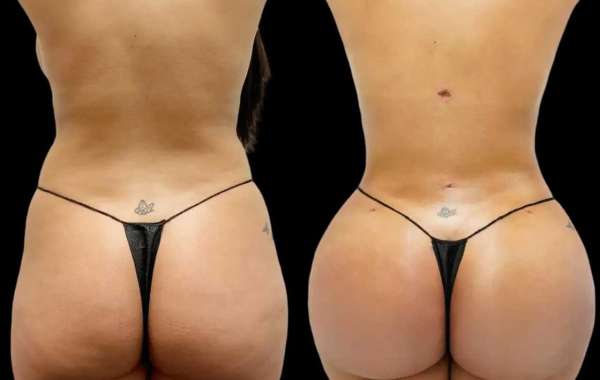

Understanding Fat Grafting and Discomfort During Recovery
Fat grafting involves collecting fat from one area of the body, processing it, and carefully injecting it into another area. The procedure may be used to improve facial volume, fill hollow areas, or enhance the shape of certain body parts.
After surgery, both the donor area and the area receiving the fat may feel uncomfortable.
The donor area is where fat has been removed, often from the abdomen, thighs, or flanks. This area may feel sore or bruised, similar to the discomfort experienced after an intense workout.
The treated area may also feel swollen, tender, or sensitive to touch. These symptoms are part of the body's natural response to the procedure.
The amount of discomfort varies from person to person. It depends on the treatment area, the amount of fat transferred, individual sensitivity, and the body's healing response.
Understanding what to expect can help you prepare for recovery and manage temporary discomfort more confidently.
Common Symptoms After Fat Transfer in Dubai
After Fat transfer in dubai, several temporary symptoms may occur during the healing process.
Swelling: The treated areas may appear fuller or puffier than expected during the first few days. Swelling generally decreases gradually.
Bruising: Small blood vessels may be affected during the procedure, leading to temporary discoloration around the donor or treatment area.
Tenderness: The skin and surrounding tissues may feel sensitive when touched.
Soreness: The donor area may feel sore during movement, particularly when sitting, standing, or changing positions.
Tightness: Some people experience a feeling of tightness as swelling develops.
These symptoms should generally improve over time. However, severe pain, worsening swelling, fever, spreading redness, or unusual drainage should not be ignored.
Contact your medical professional if you are concerned about your symptoms or feel that your recovery is not progressing as expected.
How to Manage Pain After Fat Grafting Surgery
Managing discomfort begins with following your postoperative instructions carefully.
Your medical professional may recommend medication to help control pain. Take prescribed medicines exactly as directed, and do not increase the dose or combine medications without checking whether it is safe.
Avoid taking over-the-counter pain relievers, aspirin, or anti-inflammatory medicines unless your medical professional confirms they are appropriate for you. Some medicines may increase bleeding risk or interact with other treatments.
Rest during the early recovery period and avoid activities that increase discomfort.
Wear any recommended compression garments according to your instructions, particularly if fat has been removed from the abdomen or thighs. These garments should not be excessively tight.
Do not massage, press, or apply heat to the transferred fat unless your medical professional specifically recommends it.
If discomfort becomes more severe instead of gradually improving, seek medical advice rather than trying to manage the symptoms on your own.
Rest and Sleep to Improve Comfort During Recovery
Adequate rest helps the body recover after surgery. During the early healing period, avoid unnecessary physical strain and allow yourself enough time to relax.
Your sleeping position may also affect your comfort.
After facial fat transfer, sleeping on your back with your head slightly elevated may help reduce swelling. Use supportive pillows to keep your neck comfortable and prevent pressure on the treated areas.
If fat has been transferred to the buttocks, you may need to avoid sleeping directly on the treated area. Depending on your procedure, your medical professional may recommend sleeping on your stomach or side.
After breast or hip fat transfer, your recommended sleeping position will depend on the areas treated.
Avoid forcing yourself into an uncomfortable position. Ask your medical professional how to arrange pillows and support your body without putting pressure on the transferred fat.
Under Eye Fat Transfer: Managing Swelling and Tenderness
Under eye fat transfer is used to add volume beneath the eyes and improve the appearance of hollow areas.
Because the skin around the eyes is delicate, swelling, bruising, and tenderness may occur after treatment.
During recovery, avoid rubbing your eyes or applying pressure to the treated area. Follow instructions regarding skincare products, makeup, and washing your face.
Sleeping with your head slightly elevated may help manage swelling if recommended by your medical professional.
Avoid applying ice directly to the treated area unless specifically instructed. The under-eye region is sensitive, and inappropriate cooling or pressure may cause problems.
Swelling may temporarily make the area look uneven or fuller than expected. Allow time for the tissues to settle before judging the final appearance.
Seek urgent medical attention if you experience sudden vision changes, severe eye pain, or significant unexpected swelling.
Eat Nutritious Foods to Support Healing
Your body needs adequate nutrition to repair tissues after surgery. A balanced diet can support general recovery and help maintain energy levels.
Include protein-rich foods such as eggs, fish, chicken, beans, lentils, and yogurt. Protein helps support tissue repair.
Fresh fruits and vegetables provide vitamins and minerals that contribute to normal bodily functions.
Whole grains, nuts, seeds, and healthy fats can also form part of a balanced diet.
Drink enough water throughout the day unless your medical professional has advised you to limit fluids.
Avoid crash diets or skipping meals during recovery. Your body needs sufficient nutrients and calories while healing.
No specific food can guarantee the survival of transferred fat cells, but maintaining good nutrition supports overall health.
Avoid Strenuous Activities During Early Recovery
Physical activity should be resumed gradually after fat transfer. Returning to strenuous exercise too soon may increase swelling, discomfort, and pressure on healing tissues.
During the early recovery period, you may need to avoid:
Heavy lifting.
Running and jogging.
High-intensity workouts.
Jumping and high-impact exercise.
Activities that place pressure on the treated area.
Movements that cause pain or excessive stretching.
Gentle walking may be encouraged when your medical professional confirms it is safe.
The appropriate timeline depends on the treatment area and your individual recovery. Fat transfer to the face may involve different activity restrictions from fat transfer to the buttocks or breasts.
Listen to your body and follow your postoperative instructions. Do not resume strenuous activities simply because the initial discomfort has improved.
Best Fat Transfer Surgeon in Dubai: Why Aftercare Guidance Matters
People searching for the Best fat transfer surgeon in dubai or the Best fat transfer surgeon in Dubai should also understand the importance of appropriate aftercare.
Managing discomfort safely requires clear instructions about pain relief, sleeping positions, wound care, activity restrictions, and follow-up appointments.
Before treatment, ask what symptoms are expected and how long discomfort may last. It is also helpful to understand which symptoms require immediate medical attention.
Your recovery plan should reflect the area treated, your health, and the details of your procedure.
Following personalised instructions can help you avoid unnecessary pressure on healing tissues and recognise potential complications early.
Best Fat Transfer Surgeons in Dubai: Preparing for Comfortable Recovery
People researching the Best fat transfer surgeons in Dubai may benefit from preparing for recovery before undergoing treatment.
Arrange a comfortable sleeping area, prepare easy and nutritious meals, and keep essential items within reach.
If your procedure is expected to limit your movement, arrange help with household tasks during the first few days.
Make sure you understand how to take prescribed medication and when to attend follow-up appointments.
Avoid planning strenuous activities immediately after surgery. Giving yourself enough time to rest can make the healing process more manageable.
Remember that discomfort varies from person to person. Comparing your recovery with someone else's experience may create unnecessary concern.
Fat Transfer Cost in Dubai: Planning for Aftercare Expenses
The Fat transfer cost in dubai may vary depending on the treatment area, procedure complexity, and services included in the treatment plan.
When planning your budget, ask whether consultations, postoperative appointments, and necessary recovery supplies are included in the quoted price.
You may also need to consider temporary time away from work and any assistance required at home.
Understanding the expected expenses before treatment can help you prepare for the entire recovery period.
Cost is one consideration, but safe treatment practices, clear postoperative instructions, and appropriate follow-up care are also important.
Fat Transfer Cost: Understanding the Complete Recovery Process
The fat transfer cost is an important consideration when planning cosmetic treatment. However, the overall experience includes preparation, the procedure itself, and the recovery period.
After surgery, you may need medication, supportive garments, and follow-up appointments, depending on your individual needs.
You should also consider the time required to rest and avoid activities that may increase discomfort.
Before proceeding, ask for a clear explanation of the expected expenses and recovery requirements.
Planning ahead can help you manage your recovery without feeling pressured to return to normal activities too quickly.
Fat Transfer Prices: What to Consider Before Treatment
Comparing fat transfer prices can help you understand the financial aspects of cosmetic procedures.
Prices may differ according to the treatment area, the amount of fat involved, and the complexity of the procedure.
When comparing options, consider the overall treatment plan rather than focusing only on the initial price.
Ask about postoperative care, follow-up visits, and the expected recovery timeline.
It is also helpful to understand what type of discomfort you may experience and which recovery supplies you may need.
Being prepared financially and practically can make the recovery period easier to manage.
Best Doctors in Dubai: Understanding Safe Recovery Practices
People searching for Best Doctors in dubai may also want to understand safe recovery practices after cosmetic surgery.
Regardless of where treatment takes place, patients should receive clear information about managing discomfort, caring for treated areas, and recognising warning signs.
Do not rely entirely on online advice or another person's experience when deciding how to manage your symptoms.
Contact your medical professional if your pain is not controlled by the recommended treatment or if you notice unexpected changes.
Seek urgent medical attention for chest pain, difficulty breathing, fainting, or other serious symptoms.
Appropriate medical guidance is important for distinguishing normal recovery symptoms from potential complications.
Dr. Perfect Celebrity and Perfect Doctors Clinic: Understanding Cosmetic Treatment Information
Online searches may include terms such as Dr. perfect celebrity and Perfect Doctors Clinic when people explore cosmetic procedures.
However, anyone researching fat transfer should focus on understanding the procedure, possible side effects, recovery expectations, and postoperative care.
Knowing how to manage swelling, soreness, and tenderness can help you prepare for the healing period.
Before treatment, make sure you understand the instructions for pain relief, activity restrictions, and follow-up appointments.
Clear information can help you make informed decisions and manage recovery expectations.
When Should You Seek Medical Advice After Fat Transfer?
Mild swelling, bruising, and tenderness can occur after fat transfer, but some symptoms require medical attention.
Contact your medical professional if you experience:
Pain that becomes increasingly severe.
Swelling that suddenly increases.
Spreading redness or unusual warmth.
Fever or chills.
Pus or unusual drainage from an incision.
Symptoms that do not improve as expected.
Seek urgent medical attention if you develop chest pain, difficulty breathing, fainting, or sudden vision changes.
Do not attempt to treat serious symptoms with home remedies or additional medication without medical guidance.
Attending follow-up appointments can help your medical professional assess your healing and address any concerns.
Healthy Habits That Can Make Recovery More Comfortable
Simple daily habits can support your comfort while your body heals.
Stay hydrated: Drink enough water to maintain normal hydration.
Get enough sleep: Rest allows your body to recover and helps manage fatigue.
Eat balanced meals: Include protein, fruits, vegetables, and other nutritious foods.
Avoid smoking: Smoking and nicotine can interfere with circulation and wound healing.
Protect treated areas: Avoid unnecessary pressure, rubbing, or massage.
Follow medical instructions: Use prescribed medication and supportive garments as directed.
Be patient: Swelling and bruising may take time to improve, and final results may take several months to become clear.
These habits cannot eliminate every risk, but they can help you support your recovery.
Conclusion: Managing Discomfort After Fat Transfer in Dubai
Some discomfort is normal after fat grafting, but careful aftercare can make the recovery process more manageable.
People considering fat transfer in dubai should understand that swelling, bruising, tenderness, and soreness may occur in both the donor area and the area receiving the transferred fat.
Following postoperative instructions, taking medication as directed, getting enough rest, eating balanced meals, and avoiding strenuous activities can help support healing.
It is equally important to recognise warning signs and seek medical advice when symptoms become severe or unexpected.
Whether you are researching fat grafting, under eye fat transfer, or other fat transfer procedures, remember that recovery takes time.
Be patient with your body, attend follow-up appointments, and follow your medical professional's advice. Taking these steps can help you manage discomfort safely and support the best possible recovery.