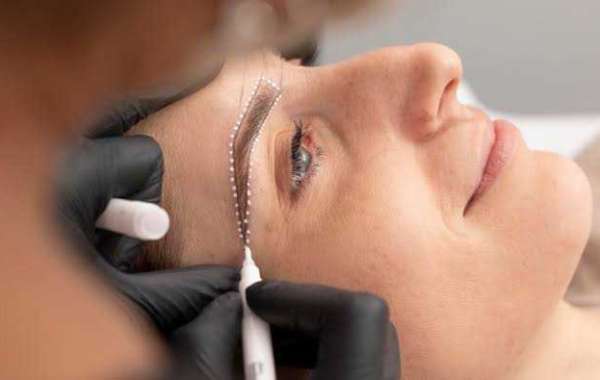

A low or sagging brow can make the upper face appear tired, heavy, or older than it feels. Brow lift surgery is a cosmetic procedure designed to raise and reposition the eyebrows by addressing selected tissues in the forehead area. It may improve the appearance of forehead creases, brow heaviness, and certain facial expressions caused by a drooping brow. Dynamic Life Clinic offers consultations to help patients understand their aesthetic goals and available treatment options. Brow Lift in Dubai may be considered by individuals seeking to improve the balance and appearance of the upper face through a personalised surgical plan.
Creating a More Refreshed Upper-Face Appearance
The position of the eyebrows has a noticeable effect on facial expression. When the brows descend with age, the upper face may appear tired, concerned, or less open. Brow lift surgery raises the brow tissues to a position that better suits the patient's facial structure. This adjustment can create a more refreshed appearance without necessarily changing the person's natural expression. The amount of lifting depends on the original brow position, skin elasticity, and desired outcome. A qualified surgeon assesses these factors to avoid an excessively high or unnatural-looking result.
Reducing the Appearance of Forehead Creases
Horizontal forehead lines and creases between the eyebrows can become more noticeable as the skin loses elasticity and facial tissues change over time. Certain brow lift techniques can smooth some forehead skin and reduce the prominence of selected creases. However, the procedure does not remove every wrinkle, particularly lines caused mainly by repeated muscle movements or significant skin damage. The degree of improvement depends on the surgical technique and the patient's individual features. During consultation, the surgeon can explain whether a brow lift alone is likely to address the patient's concerns or whether another treatment may be appropriate.
Improving the Appearance of Heavy or Drooping Brows
Drooping brows can create a heavier appearance above the eyes and may contribute to excess skin resting near the upper eyelids. Brow lift surgery repositions the brow tissues to improve this heaviness when the brow position is a contributing factor. It is important to distinguish brow descent from excess upper-eyelid skin, as these concerns may require different procedures. In some cases, a surgeon may discuss whether brow lift surgery, eyelid surgery, or a combination would provide the most suitable result. A detailed examination helps identify the source of the concern and supports a more appropriate treatment plan.
Supporting Better Facial Balance
The eyebrows help frame the eyes and influence the proportions of the forehead and upper face. When the brows sit too low or appear uneven, the face may look less balanced. A brow lift can improve the position of the eyebrows and create a more harmonious relationship between the forehead, eyes, and surrounding features. The surgeon considers natural asymmetry, facial shape, hairline position, and brow movement when planning the procedure. The objective is to maintain the patient's individual characteristics while improving the areas that contribute to a heavy or aged appearance.
Understanding the Different Brow Lift Techniques
Brow lift surgery can be performed using different approaches, depending on the patient's anatomy and treatment goals. Some techniques use small incisions near the hairline or within the scalp, while others may place incisions in different locations to allow the surgeon to adjust the brow tissues. The choice depends on factors such as forehead height, hairline position, the amount of lifting required, and the surgeon's assessment. Each technique has its own benefits, limitations, and potential risks, including scarring, temporary numbness, asymmetry, and changes in hair growth near incisions. A consultation helps determine which approach is most suitable.
Checkpoints Before Choosing Brow Lift Surgery
Before undergoing brow lift surgery, patients should understand the expected changes, recovery requirements, and possible complications. A careful assessment helps establish whether surgery is appropriate for their concerns.
Brow position: The surgeon assesses whether brow descent is contributing to a tired or heavy appearance.
Eyelid concerns: Excess upper-eyelid skin may require separate assessment and possibly a different procedure.
Medical suitability: Medical history, medications, smoking status, and general health can affect surgical planning and healing.
Realistic expectations: Surgery can improve brow position but cannot stop natural aging or guarantee perfect symmetry.
Recovery period: Swelling, bruising, tightness, and temporary changes in sensation may occur during healing.
Potential risks: Discuss bleeding, infection, scarring, numbness, hairline changes, asymmetry, and possible need for further treatment.
Frequently Asked Questions
Can Brow Lift Surgery Make the Eyes Look More Open?
It may make the eyes appear more open when low brow position contributes to heaviness around the upper eyelids. The result depends on the patient's anatomy and the amount of brow descent. If excess eyelid skin is the main concern, a separate eyelid procedure may be more appropriate.
Does Brow Lift Surgery Remove Forehead Wrinkles?
A brow lift may reduce some forehead creases by repositioning tissues and smoothing selected areas. However, it does not eliminate every wrinkle, especially those mainly caused by muscle movement or sun damage. The surgeon can explain which changes are realistic for the patient's facial features.
How Long Do Brow Lift Results Last?
Results can last for years, but they vary between individuals. The face continues to age after surgery, and changes in skin elasticity and facial tissues can gradually affect the brow position. Maintaining stable health and following postoperative instructions can support recovery, although it cannot prevent natural aging.
Is Brow Lift Surgery Suitable for Every Adult?
No. Suitability depends on brow position, facial anatomy, skin condition, medical history, and expectations. Some people may benefit more from nonsurgical options or treatment directed at the eyelids rather than the brows. A qualified surgeon can assess the available choices and explain their limitations.
What Is the Recovery Process After Brow Lift Surgery?
Recovery varies according to the surgical technique and the individual. Swelling, bruising, tightness, and temporary numbness may occur, especially during the early healing period. Patients should follow the surgeon's instructions, avoid strenuous activity for the recommended period, and attend follow-up appointments to monitor healing.
Professional Guidance at Dynamic Life Clinic
Choosing brow lift surgery begins with identifying the changes that affect the upper face and understanding the results that may be achievable. At Dynamic Life Clinic, patients can discuss brow position, forehead lines, eyelid concerns, recovery expectations, and potential risks during a consultation. An individual assessment helps determine whether a brow lift is suitable or whether another approach may better address the concern. Clear guidance about the procedure and its limitations supports informed decision-making before surgery.
Conclusion
Brow lift surgery can improve facial appearance by raising drooping eyebrows, reducing selected forehead creases, and creating a more refreshed upper-face expression. The results depend on facial anatomy, the surgical technique, and individual healing. Although the procedure may improve brow balance and heaviness, it cannot remove every wrinkle or stop aging. A personalised consultation and realistic expectations are essential when considering brow lift surgery.