
Having straight teeth can improve your smile, support proper chewing, and make it easier to maintain good oral hygiene. If your teeth are crowded, crooked, or spaced unevenly, dental braces can gradually move them into better alignment. However, before starting orthodontic treatment, many people want to know how long the fitting appointment takes and what happens during the procedure.The good news is that getting braces fitted is generally a straightforward process performed by an orthodontist. The appointment involves preparing your teeth, placing the braces, and checking that everything is positioned correctly.For patients considering Dental Braces in Islamabad, understanding the fitting process can help you prepare for your first orthodontic appointment and know what to expect.In this guide, we explain how long it takes to get braces fitted, the steps involved, the factors that affect appointment duration, and what you should know before beginning treatment.
What Happens During a Dental Braces Fitting Appointment?
Understanding the fitting process can help you feel more comfortable before your appointment. Although the exact steps vary, most traditional braces appointments follow a similar sequence.
Cleaning and Preparing Your Teeth
The orthodontist begins by ensuring that your teeth are clean and ready for bonding. The surfaces of the teeth are prepared so that the brackets can attach securely.If you have untreated cavities, gum inflammation, or other oral health problems, these may need to be addressed before braces are fitted.ood oral hygiene before treatment helps create a healthy foundation for orthodontic care.
Applying the Brackets
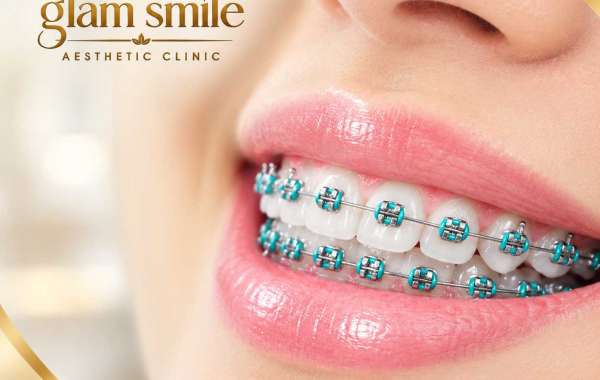
Brackets are the small attachments placed on individual teeth. The orthodontist carefully positions each bracket according to your treatment plan.A special dental adhesive is used to attach the brackets to the tooth surfaces. The adhesive is then hardened using a curing light when required.Accurate bracket placement is important because it helps guide the movement of your teeth throughout treatment.
Placing the Orthodontic Wire
After the brackets have been attached, the orthodontist places an orthodontic wire through them.
The wire applies controlled forces that gradually move your teeth toward their planned positions. Depending on the braces system, small elastic or other components may be used to secure the wire.
The orthodontist checks that the wire and brackets are positioned correctly before completing the appointment.
Checking the Fit and Comfort
Once the braces are in place, the orthodontist examines the appliance and checks for any obvious problems.You may receive instructions about brushing, flossing, eating, and managing discomfort during the first few days.Your orthodontist will also explain when to attend your next adjustment appointment.
Does Getting Dental Braces Hurt?
Getting braces fitted is generally not painful because the procedure does not normally involve drilling or injections. However, you may experience pressure when the brackets are positioned and the wire is securedAfter the appointment, your teeth may feel tender or sensitive as they begin responding to the orthodontic forces.This discomfort commonly develops during the first day and improves over several days. Some patients also notice irritation on their cheeks or lips while they adjust to the bracketsWhy Do People Choose Dental Braces?ental braces are used to correct a range of problems involving tooth alignment and the way the upper and lower teeth meet.
Crooked or Misaligned Teeth
Teeth that overlap or grow at unusual angles can affect the appearance of your smile. Braces apply controlled pressure to move them into more suitable positions.
Crowded Teeth
Crowding occurs when there is insufficient space for the teeth to align properly. Orthodontic treatment can help improve their positioning, although some cases require additional procedures or space-management strategies.
Gaps Between Teeth
Braces can close certain spaces between teeth and improve the overall alignment of the dental arch.
Bite Problems
Orthodontic treatment can help correct problems such as overbites, underbites, crossbites, and some open bites.
Correcting these issues may improve chewing function and reduce uneven tooth contact, depending on the nature of the problem.
What Factors Affect the Time Needed to Fit Braces?
Several factors can influence how long your fitting appointment takes.
Type of Braces
Traditional metal braces, ceramic braces, and self-ligating systems use different components and techniques. The fitting process is broadly similar, but the time required may vary.
Clear aligners follow a different process because the orthodontist checks and provides removable trays rather than bonding brackets to every tooth.
Complexity of Your Case
Some patients require straightforward alignment, while others have significant crowding, bite problems, or teeth that need more detailed positioning.
Although the initial fitting appointment may take a similar amount of time for different cases, more complex treatment often requires additional planning and monitoring.
Oral Health Before Treatment
Healthy teeth and gums are important before orthodontic treatment begins. If you have cavities, gum disease, or significant plaque buildup, these problems may need to be managed before braces are fitted.
Additional Orthodontic Procedures
Some patients need attachments, separators, elastics, or other orthodontic components as part of their treatment plan. Depending on the procedure, these may require extra appointment time.
Your orthodontist will explain which components you need and whether they will be fitted on the same day.
Who Is a Suitable Candidate for Dental Braces?
Dental braces may be suitable for children, teenagers, and adults who have orthodontic problems that can be improved with tooth movement.
A consultation with an orthodontist helps determine whether braces are appropriate for your needs.
You may be a suitable candidate if you have:
- Crooked or overlapping teeth.
- Gaps between teeth.
- Crowded dental arches.
- An overbite, underbite, or crossbite.
- Teeth that do not meet properly when biting.
- Alignment problems that make cleaning difficult.
Can Adults Get Dental Braces?
Yes. Adults can benefit from orthodontic treatment, provided their teeth and supporting gums are sufficiently healthy.
Treatment may take longer in some adults depending on the complexity of the case, the condition of the gums, and the planned tooth movements.
Age alone does not automatically prevent someone from receiving braces. However, gum disease, untreated decay, and other oral health conditions must be assessed before treatment begins.
What Are the Benefits of Dental Braces?
Dental braces offer several potential benefits beyond improving the appearance of your smile.
Improved Tooth Alignment
Braces gradually move teeth into more appropriate positions, helping correct crowding, spacing, and certain bite problems.
Better Oral Hygiene Access
When crowded teeth become better aligned, some areas may be easier to reach with a toothbrush and interdental cleaning tools.
However, braces themselves require careful cleaning because food and plaque can accumulate around brackets and wires.
Improved Chewing Function
Correcting certain bite problems may help improve the way the teeth meet during chewing.
Greater Confidence in Your Smile
Many patients feel more comfortable with their appearance after completing orthodontic treatment.
Long-Term Dental Function
When treatment is properly planned and maintained, improved alignment may help support comfortable dental function. Retainers are generally needed after treatment to reduce the risk of teeth moving back toward their previous positions.
What Are the Limitations and Possible Risks of Braces?
Although braces are effective for many orthodontic problems, they are not suitable for every case, and treatment requires commitment.
Possible limitations and risks include:
- Temporary discomfort: Teeth may feel sore after fitting and adjustment appointments.
- Oral hygiene challenges: Brackets and wires can make cleaning more difficult.
- White spots and tooth decay: Inadequate cleaning can cause permanent marks on enamel or cavities.
- Gum inflammation: Plaque buildup may contribute to swollen or bleeding gums.
- Root resorption: Some patients experience shortening of tooth roots during orthodontic treatment.
- Relapse: Teeth may move after treatment if retainers are not worn as instructed.
- Treatment duration: More complex cases may require a longer period of orthodontic care.
Your orthodontist should discuss the expected benefits, risks, and alternatives before treatment begins. Regular appointments and good oral hygiene are essential throughout the process.
How Long Does the Entire Braces Treatment Take?
It is important to distinguish between the time needed to fit braces and the total duration of orthodontic treatment.
While fitting usually takes around one to two hours, the complete treatment commonly takes 12 to 24 months. Some straightforward cases finish sooner, while complex cases may take longer.
The duration depends on factors such as:
- The severity of crowding or spacing.
- The type of bite problem.
- The amount and direction of tooth movement required.
- Attendance at scheduled adjustment appointments.
- Oral hygiene and appliance care.
- The individual's response to orthodontic forces.
Your orthodontist will estimate the treatment duration after examining your teeth and planning the necessary movements.
How Often Do You Need Orthodontic Appointments?
Patients with fixed braces commonly attend adjustment appointments every four to eight weeks, although the interval varies by treatment plan and appliance.
During these visits, the orthodontist checks tooth movement, adjusts the appliance when necessary, and monitors your oral health.
Missing appointments or repeatedly breaking brackets can delay progress.
What Are the Alternatives to Traditional Braces?
Traditional metal braces are not the only option for correcting misaligned teeth. Depending on your orthodontic needs, other treatments may be available.
Ceramic Braces
Ceramic braces work similarly to metal braces but use tooth-coloured or relatively discreet brackets.
They may appeal to patients who prefer a less noticeable fixed appliance. However, they can be more fragile than metal brackets and may require additional care.
Clear Aligners
Clear aligners are removable trays that gradually move teeth according to a planned sequence.
They can be convenient for suitable cases because they are removable for eating and cleaning. However, they must generally be worn for the recommended number of hours each day to work effectively.
Clear aligners are not suitable for every orthodontic problem.
Other Orthodontic Approaches
Depending on the diagnosis, an orthodontist may recommend different appliances or a combination of treatments. Severe skeletal discrepancies may require more comprehensive management, potentially including jaw surgery in selected cases.
Cosmetic treatments such as veneers are not equivalent to orthodontic treatment because they do not correct the underlying tooth positions or bite in the same way.
Your orthodontist can help you compare suitable options based on your dental health, goals, and budget.
How Can You Prepare for Your Braces Appointment?
Preparing in advance can help your fitting appointment go smoothly.
Before your visit:
- Brush and floss carefully.
- Complete any recommended dental treatment for cavities or gum problems.
- Ask your orthodontist about the estimated fitting time.
- Discuss any concerns about discomfort or oral hygiene.
- Arrange your schedule so you have time to relax afterward.
- Consider purchasing orthodontic wax and a soft-bristled toothbrush.
You should also ask about the expected total treatment duration, follow-up schedule, retainer requirements, and the costs associated with your chosen braces.
Dental Braces in Islamabad: What to Expect at Glam Smile Clinic
Choosing an experienced dental professional is an important step toward achieving a healthier, more aligned smile.
At Glam Smile Clinic, patients considering orthodontic treatment can discuss their dental concerns, available braces options, and the expected treatment process with the dental team.
An orthodontic assessment helps identify alignment and bite problems, evaluate oral health, and determine whether metal braces, ceramic braces, or clear aligners may be appropriate.
The initial fitting appointment generally takes around one to two hours for traditional fixed braces, but the exact duration depends on the treatment plan and any additional procedures required.
Before beginning treatment, ask your orthodontist about expected results, possible risks, appointment frequency, and the importance of wearing retainers after your braces are removed.
Frequently Asked Questions
1. Can dental braces be fitted in one appointment?
Yes. Traditional fixed braces are usually fitted during a single appointment lasting approximately 60–120 minutes. However, examination, diagnostic records, treatment planning, and any necessary dental work may require separate visits beforehand.
2. Can I eat immediately after getting braces?
You can generally eat after your appointment, but your teeth may feel tender. Choose soft foods initially and avoid hard, crunchy, or sticky items that could damage the brackets or wires.
3. How long will my teeth hurt after getting braces?
Tenderness commonly begins within the first day and improves over several days. Some discomfort may return after adjustment appointments, but it is generally temporary.
4. Do ceramic braces take longer to fit than metal braces?
Both types generally require around 60–120 minutes to fit. The exact duration depends on the appliance, the number of teeth involved, and the orthodontist's treatment plan.
5. How long do I need to wear braces?
Many patients wear braces for approximately 12–24 months, although some cases require less or more time. The duration depends on the complexity of the alignment problem, treatment progress, and individual response to tooth movement.
Conclusion
Getting dental braces fitted usually takes between one and two hours, while the complete orthodontic treatment often lasts 12–24 months. The fitting process involves preparing the teeth, attaching brackets, positioning the orthodontic wire, and checking the appliance.
Although some tenderness is normal after fitting, careful oral hygiene and regular orthodontic appointments help support successful treatment. The most suitable braces depend on your dental condition, alignment goals, and orthodontist's assessment.
If you are considering braces, arrange a consultation to discuss your options and receive a personalised treatment plan for achieving a healthier, more confident smile.