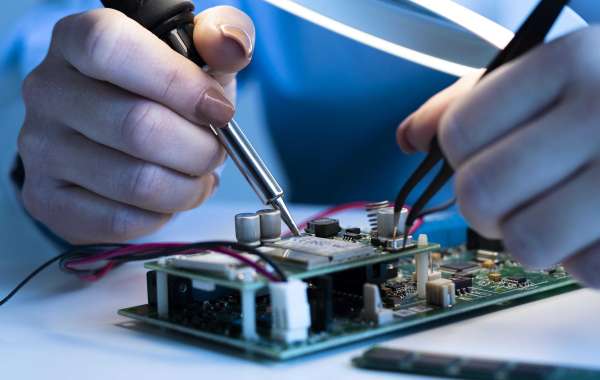

Electronic devices are becoming an essential part of industries such as automotive, telecommunications, healthcare, industrial automation, and consumer electronics. Behind these products are printed circuit boards (PCBs) that connect electronic components and enable devices to function correctly. As demand for reliable electronic products grows, businesses need accurate assembly processes and dependable manufacturing partners.
PCB assembly services in Noida help businesses convert PCB designs into functional electronic assemblies. From prototype development to large-scale production, professional assembly services support product quality, manufacturing efficiency, and consistent performance.
What Are PCB Assembly Services?
PCB assembly is the process of mounting and soldering electronic components onto a printed circuit board according to a specific design. The completed assembly, commonly called a PCBA, forms the working electronic circuit used in a device or system.
The process generally includes component placement, soldering, inspection, and testing. Depending on the product requirements, manufacturers may use automated machinery or manual assembly techniques.
Businesses can outsource PCB assembly to electronic manufacturing service providers to access specialized equipment, technical expertise, and quality control processes without investing in their own production facilities.
Types of PCB Assembly Services
Different electronic products require different assembly methods. Understanding the available options helps businesses select the right manufacturing process.
1. Surface Mount Technology (SMT)
Surface Mount Technology involves mounting electronic components directly onto the surface of a PCB. Automated pick-and-place machines position components accurately before the soldering process.
SMT is widely used for compact electronic devices that require high component density and efficient production. It is suitable for applications such as communication equipment, consumer electronics, control systems, and electronic modules.
2. Through-Hole Technology (THT)
Through-Hole Technology involves inserting component leads through holes in a circuit board and soldering them to conductive pads.
This method is commonly used for components that require strong mechanical connections or need to withstand demanding operating conditions. THT assembly is useful in industrial equipment, power electronics, and certain automotive applications.
3. Mixed Technology Assembly
Some electronic products require both SMT and THT components on the same circuit board. Mixed technology assembly combines these methods to meet specific electrical, mechanical, and design requirements.
Selecting the appropriate assembly method depends on the circuit design, component specifications, operating environment, and production volume.
Why Choose PCB Assembly Services in Noida?
Noida has developed into an important location for electronics manufacturing and related industrial services. Businesses operating in Delhi NCR can benefit from access to manufacturing facilities, technical resources, suppliers, and transportation networks.
Here are some important reasons to consider a local PCB assembly partner.
Access to Manufacturing Expertise
Professional assembly providers understand component placement, soldering requirements, board handling, and production workflows. Their experience can help businesses address manufacturing challenges and maintain consistent assembly quality.
Support for Different Production Volumes
Businesses may need a small batch for product testing or larger quantities for commercial distribution. A suitable manufacturing partner can help plan production according to project requirements and available capabilities.
Before selecting a provider, confirm its ability to handle your expected order quantity, component types, and delivery schedule.
Quality Inspection and Testing
PCB assembly quality directly affects the performance and reliability of electronic products. Inspection processes can identify issues such as soldering defects, misplaced components, and assembly errors.
Depending on the project, quality checks may include automated optical inspection (AOI), solder paste inspection, electrical testing, and functional testing.
Better Coordination
Working with a manufacturing partner in Noida can simplify technical discussions, sample reviews, and production coordination for businesses based in Delhi NCR.
Clear communication is particularly important when making design changes, managing component availability, or resolving manufacturing issues.
Key Factors to Consider When Selecting a PCB Assembly Company
Choosing a PCB assembly provider requires more than comparing quotations. Businesses should evaluate technical capabilities, quality procedures, and the provider's ability to meet project requirements.
- Manufacturing Capabilities: Check whether the provider supports SMT, THT, or mixed technology assembly according to your design.
- Component Sourcing: Confirm whether components can be sourced by the manufacturer or supplied directly by your business. Component traceability and authenticity are important considerations.
- Inspection and Testing: Ask about available inspection methods, electrical testing, functional testing, and defect-handling procedures.
- Production Capacity: Ensure the manufacturer can support your required quantities and expected production schedule.
- Technical Communication: A responsive manufacturing partner can help resolve component, design, and assembly issues before they affect production.
- Additional Services: Depending on the product, you may also require PCB repair and rework, conformal coating, final product assembly, or box-build services.
Evaluating these factors helps businesses select a provider that matches their technical and commercial needs.
The Importance of Quality Control in PCB Assembly
Even a small assembly defect can affect the operation of an electronic device. Incorrect component placement, poor solder joints, and damaged components may lead to circuit failure or inconsistent performance.
A structured quality control process helps reduce these risks throughout production.
Common quality practices include reviewing component specifications, checking solder paste application, inspecting component placement, examining solder joints, and testing assembled boards.
Automated optical inspection can help identify visible assembly defects, while electrical and functional tests can assess whether a board meets its specified requirements.
The appropriate inspection and testing plan depends on the product's complexity, operating conditions, industry requirements, and quality standards.
Industries That Depend on PCB Assembly
PCB assembly supports a wide range of industries, including:
- Automotive and Electric Vehicles: Electronic control units, monitoring systems, battery management systems, and charging equipment.
- Telecommunications: Communication modules, networking equipment, and signal-processing systems.
- Industrial Automation: Control panels, sensors, monitoring devices, and automation equipment.
- Medical Electronics: Electronic modules used in monitoring and diagnostic equipment, subject to applicable quality and regulatory requirements.
- Consumer Electronics: Electronic components and circuit boards used in everyday electronic products.
Each industry has different requirements for reliability, testing, component selection, and manufacturing quality. PCB assembly processes should therefore be selected according to the intended application.
PCB Assembly Services at Sama Bharat Tech
Businesses looking for electronics manufacturing support can explore the capabilities of Sama Bharat Tech, based in Noida, Uttar Pradesh.
The company provides electronics manufacturing services, including SMT and through-hole PCB assembly, inspection, functional testing, conformal coating, and box-build assembly, subject to project requirements.
For businesses planning a new electronic product or scaling an existing design, working with an experienced manufacturing partner can help coordinate assembly, testing, and related production activities.
To learn more about electronics manufacturing and assembly in India, visit the Sama Bharat Tech electronics manufacturing guide.
Conclusion
PCB assembly is an important stage in electronics manufacturing because it determines how electronic components are integrated into a functional circuit board. Choosing the right manufacturing partner can help businesses manage production requirements, maintain quality, and address assembly challenges efficiently.
When evaluating PCB assembly services in Noida, consider the provider's assembly methods, inspection capabilities, component sourcing practices, production capacity, and technical support. A careful evaluation can help you find a manufacturing partner suited to your product specifications and long-term production needs.
Frequently Asked Questions
1. What are PCB assembly services?
PCB assembly services involve mounting and soldering electronic components onto printed circuit boards. These services may also include inspection, electrical testing, functional testing, and final product assembly.
2. What is the difference between SMT and THT assembly?
SMT places components directly onto the surface of a PCB, while THT inserts component leads through holes in the board before soldering. The appropriate method depends on the component design and product requirements.
3. How do I choose a PCB assembly company in Noida?
Evaluate the company's assembly capabilities, quality inspection processes, component sourcing options, production capacity, testing facilities, and ability to meet your delivery requirements.
4. Which industries use PCB assembly services?
Automotive, telecommunications, medical electronics, industrial automation, consumer electronics, and electric vehicle manufacturers commonly use PCB assembly services.
5. Can PCB assembly providers support both prototypes and bulk production?
Some providers support prototype assembly, small-batch production, and larger manufacturing runs. Confirm the provider's production capabilities and minimum order requirements before starting a project.