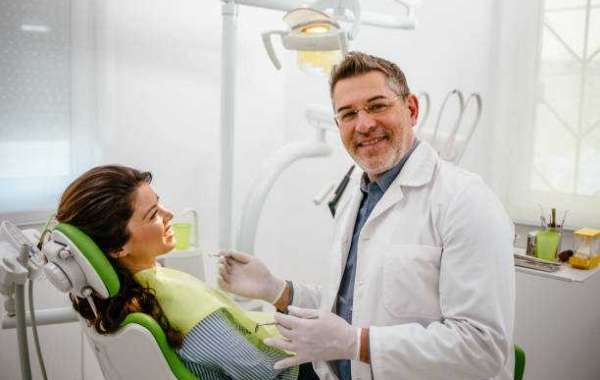

General Dentistry in Dubai helps patients identify and treat common dental problems before they become more serious. Your teeth and gums can show warning signs when something is wrong, but some conditions develop without noticeable symptoms. Recognising changes in your oral health and arranging a dental examination at the right time can help protect your natural teeth and prevent complications.
Why Is It Important to Recognise Dental Problems Early?
Dental problems do not always begin with severe pain. A small cavity, early gum inflammation, or damaged filling may initially cause little discomfort. However, delaying treatment can allow the condition to progress.
Regular dental examinations help identify concerns early. They also give patients an opportunity to discuss symptoms and receive professional advice about suitable treatment options.
Common Signs You Need to Visit a Dentist
Certain symptoms indicate that your teeth or gums may need professional attention. Understanding these warning signs can help you decide when to arrange an appointment.
Persistent Toothache
A toothache that continues or repeatedly returns may indicate tooth decay, infection, a cracked tooth, or another dental problem. Pain can range from mild discomfort to severe throbbing.
Do not rely only on painkillers to manage recurring tooth pain. A dentist can examine the affected area and identify the underlying cause.
Bleeding or Swollen Gums
Healthy gums generally should not bleed regularly during brushing or flossing. Redness, swelling, tenderness, and bleeding may be early signs of gingivitis.
If these symptoms continue, arrange a dental examination. Professional cleaning and improved oral hygiene may help manage early gum inflammation.
Tooth Sensitivity
Sensitivity to hot, cold, sweet, or acidic foods may occur when the protective enamel becomes worn or the gums recede. It can also be associated with cavities, cracks, or exposed tooth roots.
A dentist can determine the cause and recommend suitable care, such as fluoride treatment, desensitising products, or restorative treatment when needed.
Signs of Tooth Decay and Dental Damage
Tooth decay and physical damage can affect the strength and function of natural teeth. Early assessment helps prevent further deterioration.
Visible Holes or Dark Spots
Small holes, dark marks, or rough areas on tooth surfaces may indicate decay. However, not every dark spot is a cavity, so a professional examination is needed to confirm the cause.
Early cavities may be treated with dental fillings, depending on their size and location.
Cracked or Chipped Teeth
A cracked or chipped tooth can cause discomfort while chewing and may increase sensitivity. Even a small fracture should be assessed because damage can sometimes extend deeper than it appears.
Treatment may involve smoothing a minor chip, placing a filling, or using a crown to protect a weakened tooth.
When a Professional Dental Clinic Can Help
A professional Dental Clinic provides examinations and treatments for common oral health concerns. Dentists assess symptoms, identify possible causes, and explain the available treatment options.
Depending on your condition, care may include professional teeth cleaning, dental fillings, gum treatment, or root canal treatment. Dental X-rays may also be recommended when additional information is needed.
Seeking professional advice rather than ignoring symptoms can help protect your oral health.
Bad Breath and Unusual Taste in the Mouth
Persistent bad breath can sometimes be linked to plaque buildup, gum disease, tooth decay, or dry mouth. Certain foods and lifestyle habits may also contribute to unpleasant breath.
An unusual taste that continues despite brushing and rinsing should also be discussed with a dentist. Identifying the underlying cause is more effective than relying only on mouth fresheners.
Pain or Discomfort While Chewing
Pain when biting or chewing may be associated with tooth decay, a cracked tooth, gum problems, or an issue with an existing restoration.
If discomfort occurs repeatedly, arrange an examination. Your dentist can assess the affected tooth and determine whether restorative treatment or another procedure is needed.
Dental Problems That Require Urgent Attention
Some symptoms should not wait for a routine appointment. Severe tooth pain, facial swelling, fever associated with a dental infection, or difficulty opening your mouth may indicate a serious problem.
Seek urgent professional care if these symptoms occur. If swelling affects breathing or swallowing, seek emergency medical attention immediately.
How to Prepare for a Dental Appointment
Before visiting your dentist, make a note of your symptoms and when they started. Explain whether the discomfort occurs while eating, drinking, brushing, or resting.
Share your medical history and mention any medications you take. This information helps the dentist understand your situation and plan an appropriate examination.
What to Expect During the Examination
The dentist will examine your teeth, gums, and other oral tissues. They may check for cavities, cracks, inflammation, and damaged restorations.
At a trusted Dental Clinic, additional diagnostic tests may be recommended when necessary. After the examination, the dentist should explain the findings and discuss suitable treatment and follow-up care.
How to Reduce the Risk of Dental Problems
Good daily habits help protect teeth and gums between dental appointments. Brush twice daily with fluoride toothpaste and clean between your teeth using floss or suitable interdental tools.
Limit sugary snacks and drinks, drink water regularly, and avoid tobacco products. Attend routine checkups according to your dentist's recommendations, even when you have no symptoms.
Final Thoughts
General Dentistry helps patients recognise, prevent, and treat common dental problems through regular examinations and appropriate care. Paying attention to tooth pain, bleeding gums, sensitivity, and other warning signs can help prevent minor concerns from becoming more serious. Maintaining good oral hygiene and seeking professional advice when symptoms appear are important steps towards a healthy smile.