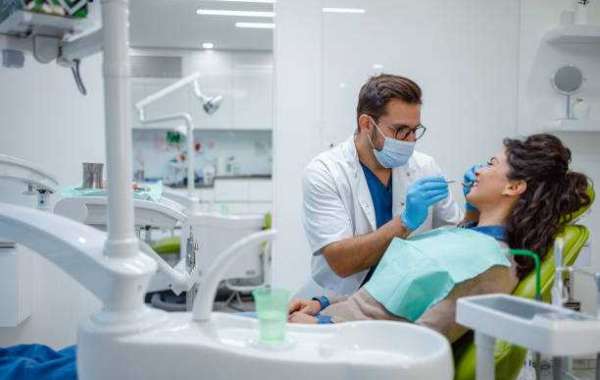

Recovering after wisdom tooth removal takes time, and the healing process can vary from one patient to another. Some people feel comfortable within a few days, while others need additional time, particularly after surgical removal of impacted teeth. Wisdom Tooth Extraction in Dubai involves removing problematic teeth and providing patients with suitable aftercare guidance to support recovery. Understanding the healing timeline can help you know what to expect and recognise when professional attention may be necessary.
How Long Does It Take to Heal After Wisdom Tooth Removal?
The initial recovery period usually lasts several days, although complete healing takes longer. Swelling, tenderness, and mild jaw stiffness are common during the first stage.
The gum tissue gradually closes over the extraction site, while deeper tissues and bone continue healing underneath. Simple extractions may involve a shorter recovery period than surgical procedures involving impacted teeth.
Individual healing depends on factors such as age, general health, tooth position, surgical complexity, and aftercare.
Wisdom Tooth Extraction Recovery: Day-by-Day Timeline
Knowing the general recovery stages can help patients understand how symptoms may change after the procedure.
First 24 Hours After Extraction
A blood clot forms inside the empty tooth socket to protect the underlying tissues. Mild bleeding or blood-tinged saliva may occur during this period.
Rest and avoid strenuous activities. Follow your dentist's instructions about gauze, eating, and medication. Do not rinse vigorously, spit forcefully, or use a straw because these actions may disturb the blood clot.
Days 2 and 3: Swelling and Discomfort
Swelling and tenderness may become more noticeable during the first 48 to 72 hours. Some patients also experience bruising or difficulty opening their mouths fully.
A cold compress may help manage swelling during the first 24 hours. Choose soft foods and follow your dentist's recommendations for pain relief.
Days 4 to 7: Gradual Improvement
Many patients notice that discomfort and swelling begin to improve during this stage. Eating and speaking may become easier as jaw movement becomes more comfortable.
Continue maintaining gentle oral hygiene and avoid disturbing the extraction site.
How a Dental Clinic Monitors the Healing Process
A professional examination may be recommended depending on the complexity of the extraction and the patient's symptoms. The dentist checks the extraction socket, surrounding gums, and signs of infection or delayed healing.
Checking Gum and Tissue Recovery
The dentist may examine whether the wound is healing properly and whether stitches are dissolving or need removal. Patients should follow the specific instructions provided for their extraction.
A Dental Clinic can also advise when normal eating, exercise, and regular oral hygiene activities can safely resume.
What Happens After the First Week?
During the second week, many patients experience significant improvement in swelling, tenderness, and jaw stiffness. However, the extraction site may still feel sensitive.
The gum tissue continues closing over the wound, while deeper healing takes place gradually. Patients should continue following oral hygiene instructions and avoid irritating the area with hard or sharp foods.
If pain increases after initially improving, contact your dentist for an examination.
How Long Does Complete Healing Take?
The gum tissue may take several weeks to heal fully, depending on the complexity of the extraction. The underlying bone can take several months to remodel and fill the space left by the removed tooth.
A simple extraction may heal faster than surgical removal of an impacted wisdom tooth. Patients who have more complicated procedures may require additional follow-up care.
Factors That Can Affect Recovery Time
Several factors influence how quickly the extraction site heals. The position of the tooth and the amount of tissue involved during surgery can affect the recovery period.
Smoking may interfere with healing and increase the risk of dry socket. Poor oral hygiene, certain medical conditions, and failure to follow aftercare instructions may also contribute to complications.
Maintaining good nutrition, resting appropriately, and following professional advice can support the body's natural healing process.
Tips to Support Faster and Comfortable Healing
Choose soft foods such as yoghurt, mashed potatoes, scrambled eggs, and cooled soup during the early recovery period. Avoid hard, crunchy, sticky, and very hot foods until the extraction site becomes more comfortable.
Brush your other teeth carefully and follow your dentist's instructions about gentle rinsing. Avoid smoking, straws, and vigorous spitting during the initial healing period.
Take recommended medication as directed and attend any suggested follow-up appointments.
When Is Your Recovery Not Normal?
Although mild discomfort is expected, certain symptoms may indicate a complication. Increasing pain, persistent bleeding, fever, worsening swelling, or unusual discharge should be evaluated by a dental professional.
Severe pain a few days after extraction may indicate dry socket. Contact your dentist if you notice symptoms that are getting worse rather than improving. Difficulty breathing or swallowing requires emergency medical attention.
Final Thoughts
Wisdom tooth recovery happens in stages, beginning with blood clot formation and progressing through gum healing and deeper tissue repair. Rest, suitable food choices, gentle oral hygiene, and professional follow-up can help support the process. Understanding the healing stages after Wisdom Tooth Extraction allows patients to manage recovery with greater confidence.