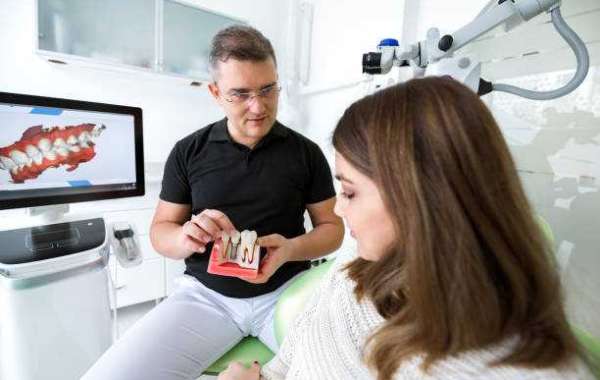

Understanding the recovery process is just as important as knowing the Same-Day Dental Implants Cost in Dubai. Same-day treatment may allow eligible patients to receive a temporary replacement tooth on the day of implant placement, but the implant still needs time to heal and bond with the jawbone. Following the dentist's instructions, maintaining good oral hygiene, and attending follow-up appointments can support recovery and help protect the implant.
What Happens After Same-Day Dental Implant Surgery?
After implant placement, the body begins its natural healing process. Some swelling, tenderness, and minor bleeding may occur during the first few days. These symptoms usually improve gradually, although recovery varies from patient to patient.
The dentist may provide instructions about medication, eating, cleaning the treatment area, and protecting the temporary crown. Following these recommendations is important because excessive pressure on a newly placed implant may interfere with healing.
The First 24 Hours After Treatment
The first day is an important part of recovery. Patients should rest and avoid strenuous physical activity if advised by their dentist.
It is common to experience mild discomfort after the anaesthesia wears off. Any prescribed medication should be taken according to the dentist's instructions. Patients should avoid disturbing the surgical area and follow guidance about brushing and rinsing.
If bleeding continues or becomes heavy, contact the dental team for advice.
Recovery During the First Week
Swelling and tenderness may be more noticeable during the first few days before gradually improving. Patients are generally advised to eat soft foods that require minimal chewing.
Suitable choices may include yoghurt, mashed vegetables, soft eggs, and other foods recommended by the dentist. Very hard, sticky, or crunchy foods should be avoided, particularly around the temporary restoration.
Gentle oral hygiene is important. The dentist may recommend a specific cleaning routine to keep the area free from food debris without irritating the surgical site.
How a Dental Clinic Monitors Implant Healing
Follow-up appointments allow the dentist to examine the implant area, surrounding gums, and temporary restoration. The dentist checks for signs of infection, unusual movement, or other healing concerns.
Depending on the patient's condition, additional clinical assessments or imaging may be recommended. These checks help determine whether the implant is integrating properly with the jawbone.
A Dental Clinic should also explain how long the temporary restoration is expected to remain in place and when the permanent crown or bridge may be fitted.
Why Regular Reviews at an Experienced Dental Clinic Matter
Regular monitoring helps identify potential problems before they become more serious. An experienced Dental Clinic can assess healing progress and adjust the treatment plan if necessary.
Patients should contact their dentist if they experience increasing pain, persistent swelling, fever, pus, or unusual movement of the implant or temporary tooth.
Understanding Osseointegration
Osseointegration is the process in which the jawbone gradually bonds with the dental implant. This connection provides the foundation needed to support the replacement tooth.
The process takes time and varies according to bone quality, implant location, general health, and other factors. During this period, patients may need to avoid biting hard foods directly with the temporary crown.
The dentist will determine when the implant is ready for the permanent restoration.
Tips for a Comfortable Recovery
Following aftercare instructions can help support healing. Patients should maintain a soft-food diet for the period recommended by their dentist and avoid smoking because it can interfere with recovery.
Brushing should continue carefully, using the cleaning technique recommended by the dental team. Patients should also attend scheduled appointments even if the implant feels comfortable.
It is important not to test the implant by biting hard objects or applying unnecessary pressure to the temporary restoration.
How Long Does Full Recovery Take?
Initial discomfort often improves within several days, but complete implant healing takes longer. Osseointegration may require several months, depending on the patient's condition and the complexity of treatment.
The permanent crown or bridge is usually fitted after the dentist confirms that the implant has achieved adequate integration and stability.
Patients should remember that receiving a temporary tooth on the same day does not mean the entire treatment is completed immediately.
Does Recovery Affect the Overall Treatment Cost?
Recovery-related expenses can vary depending on the treatment plan. The initial estimate may include follow-up appointments, medication, and temporary restoration adjustments, or these services may be charged separately.
Patients should ask for a clear breakdown of the total treatment cost before surgery. Understanding which services are included can help avoid unexpected expenses during recovery.
Final Thoughts
Recovery plays an important role in the long-term success of implant treatment. Following professional guidance, maintaining oral hygiene, and attending regular check-ups can help protect Same-Day Dental Implants while the jawbone heals and the permanent restoration is prepared.