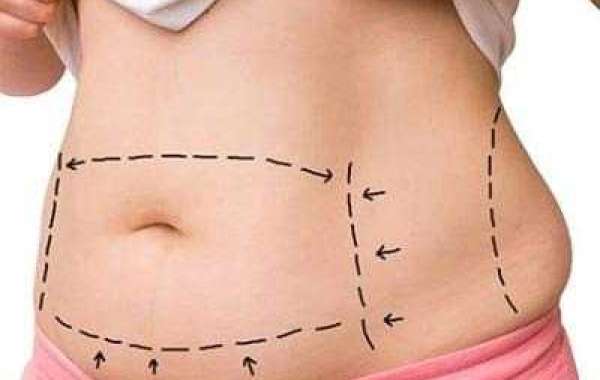

A tummy tuck, medically known as abdominoplasty, is a cosmetic surgical procedure designed to remove excess abdominal skin and tighten weakened or separated abdominal muscles. It is often considered by people who have loose skin, stubborn abdominal bulges, or changes in their stomach shape after weight fluctuations or pregnancy.However, many overweight individuals wonder whether they can undergo this procedure or whether they need to lose weight first. The answer depends on their overall health, body weight, fat distribution, and surgical goals.For individuals considering Tummy Tuck in Islamabad, understanding the relationship between body weight, surgical suitability, and recovery is essential before making a decision.Although overweight individuals may qualify for a tummy tuck in selected circumstances, the procedure is generally intended for body contouring rather than significant weight loss. A consultation with a qualified plastic surgeon can help determine whether surgery is appropriate.
Can Overweight Individuals Get a Tummy Tuck?
Yes, some overweight individuals can undergo a tummy tuck, but not everyone is an appropriate candidate. Surgeons generally prefer patients to be close to their target or stable weight before surgery.A tummy tuck is designed to remove excess skin and improve abdominal contours. It is not intended to treat obesity or replace a healthy weight-management programme.People with a higher body mass index (BMI) may have an increased risk of surgical complications, including wound-healing problems, infection, blood clots, and anaesthesia-related concerns.Before recommending surgery, a plastic surgeon evaluates:The surgeon may recommend weight reduction before surgery to improve safety and achieve more predictable results.
Why Do Overweight Individuals Consider a Tummy Tuck?
Excess abdominal skin and fat can affect physical comfort, clothing choices, and self-confidence. Some individuals find that their stomach remains loose or protruding despite making lifestyle changes.Common reasons for considering a tummy tuck include:
Excess Abdominal Skin
Significant weight fluctuations can stretch the skin beyond its ability to retract naturally. This may leave folds of loose skin around the abdomen.
Persistent Abdominal Bulging
Some individuals have stubborn abdominal contours caused by excess skin, weakened muscles, or remaining subcutaneous fat.
Weakened Abdominal Muscles
Pregnancy and significant weight changes can stretch or separate the abdominal muscles, a condition called diastasis recti.A tummy tuck may help repair this separation when clinically appropriate.
Skin Irritation and Hygiene Problems
Large folds of excess abdominal skin may trap moisture and contribute to irritation, rashes, or recurrent skin infections.Removing excess skin may help reduce these problems in suitable patients.
What Is the Ideal Weight for a Tummy Tuck?
There is no single ideal weight that applies to every tummy tuck patient. Suitability depends on factors such as height, BMI, fat distribution, medical history, and surgical complexity.Many plastic surgeons prefer patients to be at or near a stable, healthy weight before undergoing abdominoplasty.
Does BMI Affect Tummy Tuck Eligibility?
Yes. BMI is one of the factors surgeons use when assessing surgical risk.A higher BMI may increase the likelihood of complications, but BMI alone does not determine whether someone can undergo surgery.Patients with significant obesity may be advised to pursue weight management before considering cosmetic abdominal surgery.
How Does a Tummy Tuck Procedure Work?
A tummy tuck involves removing excess abdominal skin and, when necessary, tightening the underlying abdominal muscles to create a firmer abdominal contour.The exact surgical technique depends on the patient's anatomy and treatment goals.
Initial Consultation and Assessment
The surgeon examines the abdomen, evaluates skin elasticity, checks muscle separation, and reviews medical history.They may also discuss weight stability, previous operations, medications, and possible surgical risks.
Anaesthesia
A tummy tuck is generally performed under general anaesthesia so the patient remains unconscious and comfortable during surgery.
Surgical Incision
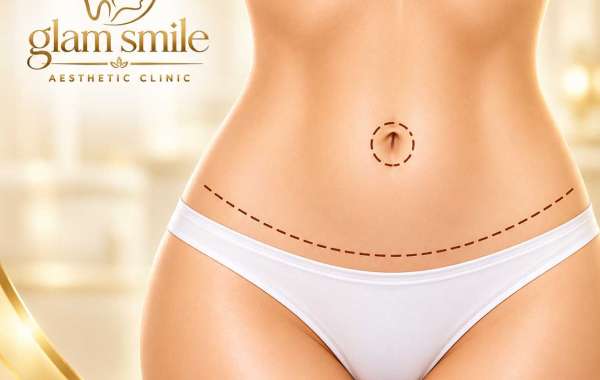
The surgeon usually makes a horizontal incision across the lower abdomen, with its position and length depending on the amount of excess skin.In a full tummy tuck, an incision around the navel may also be necessary.
Removal of Excess Skin and Fat
The surgeon separates the abdominal skin from the underlying tissues and removes the excess skin.Liposuction may sometimes be used to improve the abdominal contour, depending on the patient's condition and surgical plan.he abdominal muscles are separated or weakened, the surgeon may bring them closer together using internal sutures.This can help create a firmer abdominal wall.
Closing the Incisions
The remaining skin is repositioned, and the surgical incisions are closed with sutures. Depending on the procedure, drains may be used to remove excess fluid.The patient is then monitored during the initial recovery period.This procedure removes an overhanging apron of excess abdominal skin. Unlike a traditional tummy tuck, it does not necessarily include abdominal muscle tightening or cosmetic contouring.The appropriate procedure depends on the patient's abdominal anatomy, skin condition, and medical needs.
Benefits of a Tummy Tuck for Suitable Overweight Individuals
For carefully selected patients, a tummy tuck may offer several benefits.
Improved Abdominal Contour
Removing excess skin can create a smoother and firmer-looking abdominal area.
Reduction of Hanging Skin
Patients with significant loose skin may experience less discomfort from abdominal skin folds.
Improved Clothing Fit
A flatter abdominal contour may make certain clothes more comfortable to wear.
Abdominal Muscle Repair
When muscle separation is present, surgical tightening may improve abdominal wall support and contour.
Increased Confidence
Some patients feel more comfortable with their appearance after achieving their desired body contour.It is important to understand that these benefits are related to body contouring, not overall weight reduction.
Who Is a Suitable Candidate for a Tummy Tuck?
Overweight individuals may be considered for surgery if their health and abdominal condition make the procedure reasonably safe.A suitable candidate generally:
Can Someone With a Large Belly Get a Tummy Tuck?
It depends on why the abdomen is enlarged.A large belly may result from excess skin, subcutaneous fat beneath the skin, internal abdominal fat, or a combination of these factors.A tummy tuck primarily addresses excess skin and selected abdominal contour concerns. It does not remove internal visceral fat surrounding the organs.Patients with substantial visceral fat or significant obesity may benefit more from medically supervised weight management before considering cosmetic surgery.
What Are the Risks of Getting a Tummy Tuck While Overweight?
Overweight patients may have a higher risk of complications, particularly when obesity is significant or associated with other health conditions.Possible complications include:
Wound-Healing Problems
Excess body weight can increase tension around surgical incisions and affect blood circulation, potentially slowing wound healing.
Infection
Bacteria may enter the surgical area and cause an infection. Proper wound care and following medical instructions can help reduce this risk.
Blood Clots
Obesity and major surgery can increase the risk of deep vein thrombosis (DVT) and pulmonary embolism (PE). Surgeons use appropriate preventive measures based on individual risk.
Fluid Accumulation
Seroma, or fluid collection beneath the skin, can develop after surgery and may require drainage.
Scarring
A tummy tuck leaves permanent scars. Their appearance varies according to surgical technique, healing, and individual skin characteristics.
Anaesthesia-Related Complications
Patients with obesity or certain medical conditions may have additional anaesthesia risks. A preoperative assessment helps identify and manage these concerns.
Unsatisfactory Cosmetic Results
Significant weight fluctuations after surgery may affect the abdominal contour and compromise long-term results.A detailed medical evaluation is important before deciding to proceed.
How Long Is Recovery After a Tummy Tuck?
Recovery after a tummy tuck takes time, and overweight patients may require additional monitoring depending on their health and the complexity of surgery.Most patients need approximately two to four weeks before returning to many light daily activities. More strenuous exercise and heavy lifting usually require a longer recovery period, often around six to eight weeks or as advised by the surgeon.What to Expect During RecoverySwelling and bruising around the abdomen.Temporary discomfort and tightnessLimited movement during the initial days.Use of a compression garment.Follow-up visits to monitor healing.Gradual improvement in abdominal appearance.Tips for a Safer RecoverFollow all postoperative instructions.Wear compression garments as recommended.Avoid smoking and nicotine products.Walk gently as advised to support circulation.Avoid heavy lifting until medically cleared.Maintain a balanced diet and adequate hydration.Attend all follow-up appointments.Seek urgent medical attention if you experience chest pain, sudden shortness of breath, or symptoms suggesting a blood clot. Contact your surgeon promptly for fever, increasing redness, wound discharge, or worsening abdominal pain.
Should You Lose Weight Before Getting a Tummy Tuck?
In many cases, yes. Losing excess weight before surgery may improve safety and help produce more predictable cosmetic results.A tummy tuck is generally most effective when performed after significant weight loss has already occurred and body weight has stabilised.
Is a Tummy Tuck a Weight-Loss Procedure?
No. A tummy tuck is a body-contouring procedure rather than a weight-loss operation.Although some excess skin and a limited amount of fat are removed, the amount of weight lost is usually relatively small compared with the patient's total body weight.People with obesity who want substantial weight reduction may need a structured weight-management programme or an assessment for bariatric treatment.A tummy tuck may be considered later if significant weight loss leaves excess abdominal skin.
Tummy Tuck Consultation at Glam Smile Clinic
Choosing the right surgical approach requires a detailed assessment of your body composition, abdominal skin, medical history, and aesthetic goals.At Glam Smile Clinic, individuals interested in tummy tuck surgery can discuss their concerns and explore whether abdominal contouring is an appropriate option.A qualified plastic surgeon should evaluate weight stability, BMI, existing medical conditions, and potential surgical risks before recommending treatment.Patients may also discuss whether a full tummy tuck, mini tummy tuck, extended tummy tuck, or another approach is more suitable for their needs.The priority should always be patient safety, realistic expectations, and a treatment plan based on individual medical requirements.
Frequently Asked Questions
Can I get a tummy tuck if I am 20–30 pounds overweight?
Possibly. Being 20–30 pounds overweight does not automatically disqualify someone from a tummy tuck. However, your BMI, health, fat distribution, and surgical risks must be evaluated by a qualified plastic surgeon before making a decision.
What BMI is too high for a tummy tuck?
There is no universal BMI cutoff for every patient or surgeon. Some surgeons may recommend postponing surgery at higher BMI levels because complication risks increase. Your medical history and overall health are also important factors.
Will a tummy tuck make me lose a lot of weight?
No. A tummy tuck removes excess skin and may remove some abdominal fat, but it is not designed for significant weight loss. Patients should generally reach a stable weight before undergoing surgery.
Can I get a tummy tuck if I have a large hanging belly?
Yes, some people with a hanging abdominal skin fold may qualify for a tummy tuck or panniculectomy. The appropriate procedure depends on whether the concern is excess skin, abdominal fat, muscle separation, or a combination of these factors.
Will my stomach become flat after a tummy tuck if I am overweight?
A tummy tuck can improve abdominal contour, but a completely flat stomach cannot be guaranteed. Remaining visceral fat, body structure, skin quality, and muscle condition can influence the final appearance. Your surgeon should explain realistic outcomes during consultation.
Conclusion
Overweight individuals can sometimes undergo a tummy tuck, but suitability depends on their overall health, BMI, weight stability, and abdominal condition. The procedure can remove excess skin, tighten weakened abdominal muscles, and improve body contours, but it is not a substitute for weight loss.For safer surgery and more predictable results, reaching a stable weight before treatment is generally recommended. Consulting a qualified plastic surgeon can help you understand the available options, potential risks, and expected recovery.