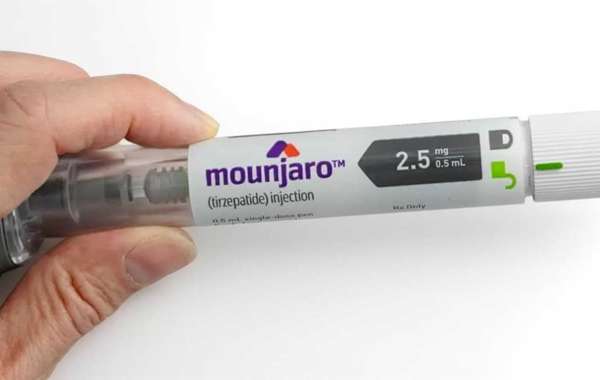

Managing blood sugar is an important part of living with type 2 diabetes, and some prescription medicines can help improve glucose control alongside healthy lifestyle changes. Mounjaro Injection in Dubai contains tirzepatide, a medication that works on two hormone receptors involved in blood sugar regulation and appetite. At Dynamic Life Clinic, understanding how this treatment works, who may benefit, and why medical supervision matters can help patients make informed decisions about diabetes management.
How Mounjaro Works in the Body
Mounjaro contains tirzepatide, which activates both glucose-dependent insulinotropic polypeptide (GIP) and glucagon-like peptide-1 (GLP-1) receptors. These hormones are involved in regulating blood glucose after meals. The medication helps the body release insulin when blood sugar levels are elevated, reduces the release of glucagon when it is not needed, and slows stomach emptying. Together, these effects can help improve blood sugar control in adults with type 2 diabetes.
Supporting Insulin Release After Meals
Insulin helps move glucose from the bloodstream into the body's cells, where it can be used for energy. Mounjaro stimulates insulin release in a glucose-dependent way, meaning its effect is stronger when blood glucose is elevated. This helps the body respond to rising sugar levels after eating. It does not replace the body's need for appropriate nutrition, regular monitoring, or other diabetes care recommended by a clinician.
Reducing Excess Glucagon Production
Glucagon is a hormone that signals the liver to release stored glucose into the bloodstream. Although it plays an important role in preventing blood sugar from becoming too low, excessive glucagon activity can contribute to elevated glucose levels. Mounjaro reduces glucagon secretion when blood sugar is high, helping limit unnecessary glucose release from the liver and supporting better overall glucose regulation.
Slowing Stomach Emptying and Managing After-Meal Glucose
Mounjaro slows the rate at which food leaves the stomach, particularly during the early stages of treatment. This can influence how quickly glucose from a meal enters the bloodstream and may help reduce post-meal blood sugar rises. The effect can become less pronounced over time. Slower stomach emptying may also contribute to digestive side effects, so patients should discuss persistent symptoms with their healthcare professional.
The Role of Mounjaro in HbA1c Management
HbA1c is a blood test that estimates average blood glucose levels over approximately two to three months. By improving insulin response and reducing excess glucagon activity, Mounjaro can help lower HbA1c in many adults with type 2 diabetes. The amount of improvement varies according to the individual's starting glucose levels, treatment plan, lifestyle, and response to medication. Regular testing helps clinicians evaluate whether diabetes management is improving.
How Appetite and Weight Changes Can Support Glucose Control
Mounjaro can reduce appetite and increase feelings of fullness, which may help some people consume smaller portions and manage their weight. For individuals with type 2 diabetes who are also living with excess weight, weight reduction may support improved insulin sensitivity and metabolic health. However, Mounjaro is not a substitute for a balanced diet or physical activity, and its effects on weight and blood sugar differ between individuals.
Why Blood Sugar Monitoring Remains Important
Although Mounjaro can improve glucose control, patients should continue monitoring their blood sugar as advised by their healthcare professional. This is particularly important for people who also take insulin or medicines such as sulfonylureas, because combining treatments may increase the risk of low blood sugar. A clinician may adjust other diabetes medicines based on glucose readings, symptoms, and treatment response. Patients should never change their prescribed doses independently.
Frequently Asked Questions
Understanding how Mounjaro affects blood glucose can help patients discuss treatment options with their healthcare professional. The following answers cover common questions about its role in type 2 diabetes management.
Does Mounjaro Help Lower Blood Sugar Levels?
Yes, Mounjaro can help lower blood glucose in adults with type 2 diabetes by improving insulin release when glucose is elevated and reducing excess glucagon secretion. Individual results vary.
Can Mounjaro Improve HbA1c Levels?
Mounjaro can reduce HbA1c in many people with type 2 diabetes. The extent of improvement depends on factors such as starting glucose levels, medication use, lifestyle habits, and individual response.
Does Mounjaro Prevent Blood Sugar Spikes After Meals?
By slowing stomach emptying and influencing insulin and glucagon activity, Mounjaro may help reduce rises in blood sugar after meals. It does not eliminate all post-meal glucose changes.
Can Mounjaro Cause Low Blood Sugar?
Low blood sugar is possible, especially when Mounjaro is used with insulin or certain other diabetes medicines. Patients should understand the symptoms of hypoglycaemia and follow their clinician's monitoring advice.
Is Mounjaro Suitable for Everyone With Diabetes?
No. Mounjaro is prescribed for specific medical indications and is not suitable for every person with diabetes. A healthcare professional must review the patient's diagnosis, medical history, other medicines, and potential risks before recommending it.
Conclusion
Mounjaro helps manage blood sugar by activating GIP and GLP-1 receptors, supporting insulin release when glucose is elevated, reducing excess glucagon, and slowing stomach emptying. These actions can improve blood glucose and HbA1c levels in many adults with type 2 diabetes. However, treatment results vary, and side effects and medication interactions must be considered. Regular medical reviews, blood sugar monitoring, balanced nutrition, and physical activity remain important parts of effective diabetes management.



