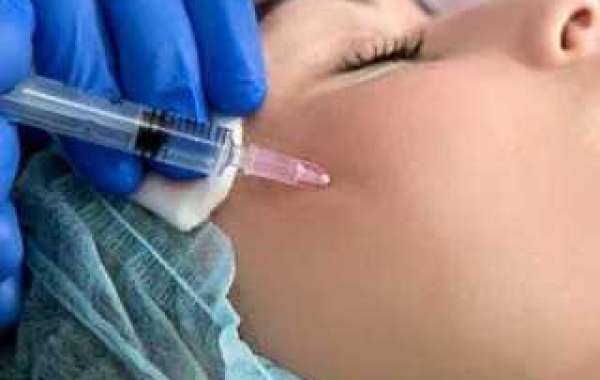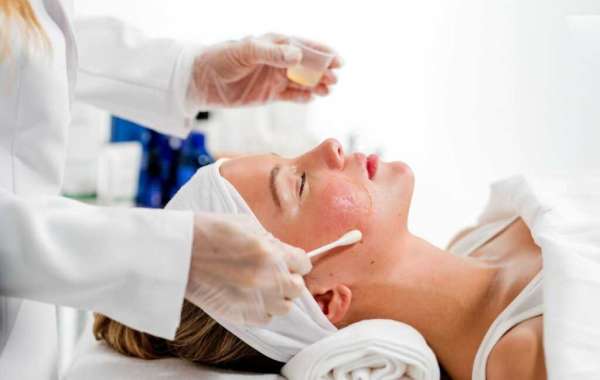

Chemical Peels in Islamabad are widely used for treating various pigmentation concerns, including melasma, sunspots, and uneven skin tone. Melasma is a chronic skin condition characterized by brown or grayish patches, typically appearing on the face. It is often triggered by sun exposure, hormonal changes, pregnancy, or genetic factors.
Because melasma is difficult to treat and tends to recur, many individuals look for professional dermatological solutions that provide visible and long-lasting improvement. Chemical peels are one of the commonly recommended treatments in Islamabad for managing melasma, but their effectiveness depends on the type of peel used, skin type, and consistency of treatment.
Understanding Melasma and Its Causes
Melasma occurs when melanocytes (pigment-producing cells) become overactive and produce excess melanin. This leads to dark patches on areas such as the cheeks, forehead, upper lip, and nose.
Several factors contribute to melasma development, including hormonal fluctuations, prolonged sun exposure, heat, stress, and genetic predisposition. In cities like Islamabad, UV exposure is a major trigger that can worsen pigmentation if proper protection is not used.
Melasma is a chronic condition, meaning it cannot always be permanently cured, but it can be effectively managed and significantly reduced with proper treatment.
How Chemical Peels Work for Melasma
Chemical peels work by applying controlled chemical solutions to the skin that exfoliate the outer damaged layers. This process removes pigmented skin cells and encourages the growth of new, evenly pigmented skin.
For melasma, chemical peels help in reducing excess melanin buildup in the upper layers of the skin. Over time, repeated treatments lead to a more even skin tone and reduced visibility of dark patches.
In Islamabad, dermatologists carefully choose mild to medium-strength peels to avoid irritation, which can sometimes worsen melasma if not handled properly.
1. Glycolic Acid Peels for Superficial Melasma
Glycolic acid peels are commonly used for mild to moderate melasma. Derived from natural sources, glycolic acid helps exfoliate the skin and improve cell turnover.
This peel is effective in reducing surface pigmentation and brightening the overall complexion. It works gradually, making it suitable for individuals with early-stage melasma or lighter patches.
In Islamabad, glycolic acid peels are often used as part of a combination treatment plan for pigmentation control.
2. Lactic Acid Peels for Sensitive Skin with Melasma
Lactic acid peels are gentle and hydrating, making them suitable for individuals with sensitive skin. They help in mild exfoliation without causing excessive irritation.
For melasma patients who cannot tolerate stronger acids, lactic acid peels provide a safer alternative. They gradually lighten pigmentation while maintaining skin moisture and barrier protection.
Dermatologists in Islamabad often recommend lactic acid peels for individuals with reactive or delicate skin.
3. Mandelic Acid Peels for Uneven Pigmentation
Mandelic acid peels are especially beneficial for treating pigmentation in darker skin tones. Due to their slower penetration, they reduce the risk of irritation and post-inflammatory hyperpigmentation.
This peel helps fade melasma patches while improving overall skin tone and texture. It is considered one of the safest options for long-term pigmentation management.
In Islamabad, mandelic acid peels are widely used for patients who require gradual but consistent improvement.
4. TCA Peels for Resistant Melasma
Trichloroacetic acid (TCA) peels are stronger chemical peels used for more stubborn cases of melasma. They penetrate deeper into the skin and provide more intensive exfoliation.
TCA peels stimulate significant skin renewal and help reduce deeper pigmentation. However, they must be used carefully because excessive strength or improper use can worsen melasma.
In Islamabad, these peels are performed under strict dermatologist supervision to ensure safety and controlled results.
Effectiveness of Chemical Peels for Melasma
Chemical peels can be effective in managing melasma, but results vary depending on individual skin response and treatment consistency.
They are most effective for reducing epidermal melasma, which affects the outer layer of the skin. Dermal melasma, which is deeper, may respond more slowly and require combination treatments.
While chemical peels can significantly lighten pigmentation, melasma often requires ongoing maintenance and sun protection to prevent recurrence.
Importance of Sun Protection in Melasma Treatment
Sun exposure is one of the strongest triggers for melasma. Even after successful treatment, exposure to UV rays can cause pigmentation to return.
Using sunscreen daily is essential for maintaining results after chemical peels in Islamabad. Protective measures such as wearing hats, avoiding peak sun hours, and using antioxidant skincare products also help prevent recurrence.
Without proper sun protection, even the most effective chemical peel treatments may not provide long-term results.
Combination Treatments for Better Results
In many cases, chemical peels are combined with other dermatological treatments for improved results. These may include topical creams, laser therapy, or oral medications prescribed by dermatologists.
This combination approach helps target melasma from different angles, improving effectiveness and reducing recurrence risk.
In Islamabad, dermatologists often design personalized treatment plans based on skin type and melasma severity.
Limitations of Chemical Peels for Melasma
While chemical peels are helpful, they do have limitations. Melasma is a chronic condition that cannot always be completely eliminated.
Improper use of strong peels can sometimes worsen pigmentation or cause irritation. This is why professional supervision is essential.
Results also depend heavily on lifestyle factors such as sun exposure, hormonal balance, and skincare habits.
FAQs About Chemical Peels in Islamabad for Melasma
1. Can chemical peels completely cure melasma?
No, chemical peels cannot permanently cure melasma, but they can significantly reduce pigmentation and improve skin tone.
2. Which peel is best for melasma treatment?
Mild peels like glycolic acid, mandelic acid, and lactic acid are commonly used depending on skin type and sensitivity.
3. How long does it take to see results?
Results vary, but gradual improvement is usually seen after multiple sessions.
4. Can melasma come back after treatment?
Yes, melasma can return if proper sun protection and skincare routines are not followed.
5. Are chemical peels safe for melasma-prone skin?
Yes, when performed by a qualified dermatologist, chemical peels are safe and effective for managing melasma.
Final Thoughts
Chemical peels in Islamabad are an effective treatment option for managing melasma and improving overall skin tone. While they cannot completely cure the condition, they play a significant role in reducing pigmentation and restoring a more even complexion. With the right type of peel, professional supervision, and strict sun protection, individuals can achieve long-term improvement and better control over melasma, resulting in healthier and more balanced skin.