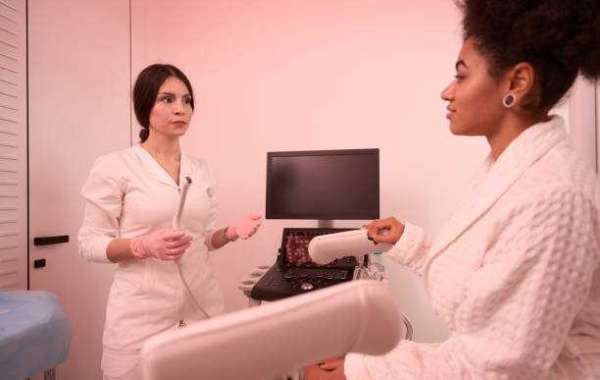

When exploring non-invasive options for intimate wellness, patients often weigh the benefits of laser therapy against radiofrequency (RF) treatments. Both technologies are staples in Cosmetic Gynecology in Dubai, aimed at stimulating collagen and improving tissue elasticity without the need for surgery. Choosing the right modality depends entirely on your specific symptoms, anatomical goals, and desired recovery timeline, which our experts evaluate during your personalized consultation.
How each technology works
Laser Therapy: Typically utilizes fractional CO2 or Er:YAG energy to create microscopic treatment zones in the tissue. This "controlled injury" triggers a powerful natural healing response, stimulating immediate collagen production and remodeling.
Radiofrequency (RF): Uses electromagnetic energy to heat the deeper layers of the vaginal tissue. This thermal effect encourages the contraction of existing collagen fibers and stimulates the growth of new ones, often providing a tightening effect without ablating the surface skin.
Indications, strengths, and limitations
Laser Strengths: Highly effective for surface-level issues like skin texture, mild atrophy, and pigmentation. It is often the preferred choice for comprehensive tissue rejuvenation.
RF Strengths: Excellent for deep tissue tightening and addressing internal laxity. Because it is non-ablative, it often has a slightly shorter recovery time regarding surface sensitivity, making it a comfortable option for patients seeking structural improvement.
Limitations: Laser treatments require strict adherence to post-procedure hygiene to support the surface healing process. RF may require a higher number of sessions to achieve the same degree of structural tightening as a surgical intervention.
Side effects and safety profiles
Both technologies have robust safety profiles when performed by trained professionals.
Laser: May cause temporary mild redness, swelling, or localized heat sensation for 24–48 hours.
RF: Generally involves very little side-effect profile, though some patients may experience mild warmth or temporary tenderness.
Safety Standards: Both require precise calibration to ensure the energy delivered is safe for the delicate vaginal mucosa.
Session requirements
Treatment schedules are highly individualized. Typically, patients may need a series of 3 sessions spaced 4–6 weeks apart to see optimal, lasting results. The exact number depends on your body's specific response to collagen stimulation and the severity of the symptoms being addressed.
Expert recommendations by condition
For Texture and Atrophy: Our specialists often recommend Laser Therapy due to its ability to resurface and revitalize the mucosa.
For Laxity and Firmness: Radiofrequency is frequently the preferred choice for patients primarily concerned with structural tone.
Combination: For many patients, we design a plan that utilizes both technologies at different stages to achieve a multi-layered, superior outcome.
Why choose us
At our clinic, we prioritize evidence-based technology that aligns with your unique clinical needs. Our multidisciplinary approach ensures that you are not just choosing a device, but a comprehensive strategy for your intimate health. We combine rigorous safety standards with personalized care to ensure that every patient feels empowered, informed, and supported throughout their journey. For the most advanced, safe, and effective aesthetic gynecology services in the region, trust the experienced team at Tajmeels Clinic.
FAQs
Is one technology more painful than the other?
Both are generally well-tolerated; most patients describe the sensation as a gentle warmth rather than pain.
Can I combine these with other procedures?
Yes, we frequently integrate laser or RF sessions with PRP therapy to enhance the regenerative results of your treatment.
How do I decide which is right for me?
During your consultation, our experts will conduct a physical examination and discuss your clinical goals to recommend the technology—or combination of technologies—best suited for your anatomy at Tajmeels Clinic.