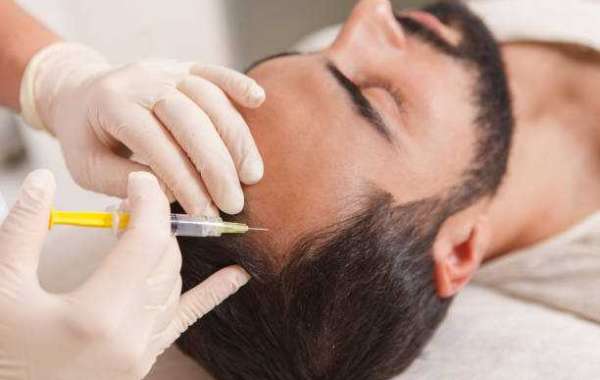

Hair loss is a common concern affecting both men and women due to genetics, stress, hormonal imbalance, and lifestyle factors. One of the most effective modern solutions is prp in riyadh which uses the body’s natural healing ability to stimulate hair follicles and encourage regrowth. This treatment has gained popularity for being minimally invasive and naturally effective.
- Hair loss can occur due to multiple internal and external factors
- PRP uses the patient’s own blood components for treatment
- It focuses on strengthening weak hair follicles naturally
- The approach supports long-term scalp health improvement
How PRP Therapy Supports Hair Growth
Science Behind Platelet-Rich Plasma
PRP Hair Treatment in Riyadh works by extracting platelet-rich plasma from the patient’s blood, which is rich in growth factors. These growth factors are then injected into the scalp to repair weakened follicles and stimulate healthier hair growth over time.
- Blood is drawn and processed to isolate plasma
- Growth factors activate dormant follicles
- Improves blood circulation in the scalp
- Supports natural hair regeneration process
Key Benefits of PRP for Hair Restoration
Why People Choose PRP Over Other Methods
Patients prefer this treatment because it is non-surgical and uses natural healing components from the body. It helps improve hair strength, density, and overall scalp health. In many clinics, PRP Hair Treatment in Riyadh is also used as a supportive therapy for transplant patients.
- Non-invasive and safe procedure
- Improves hair thickness and quality
- Reduces post-transplant shedding
- Enhances scalp healing and recovery
Treatment Procedure Explained Step by Step
What Happens During a PRP Session
The process begins with a simple blood draw, followed by centrifugation to extract platelet-rich plasma. This concentrated plasma is then injected into targeted areas of the scalp.
Step-by-Step Overview of the Process
- Blood sample collection
- Plasma separation using centrifuge
- Preparation of growth factor-rich PRP
- Injection into scalp areas needing support
Who Can Benefit from PRP Hair Therapy
Ideal Candidates for Treatment
PRP is suitable for both early-stage hair loss patients and individuals recovering from hair transplantation. It helps strengthen existing and newly transplanted follicles.
- Early to moderate hair thinning
- Post-hair transplant patients
- Individuals with weak hair density
- Patients needing scalp recovery support
Results and Expected Improvements
Timeline of Visible Hair Growth
Results vary depending on the condition of the scalp. Most patients notice reduced shedding first, followed by improved thickness and healthier growth over time.
- Reduced post-procedure hair shedding
- Improved hair thickness over months
- Better graft survival in transplant cases
- Healthier scalp environment overall
Aftercare and Maintenance Tips
How to Maintain Long-Term Results
Proper aftercare is essential for achieving the best results from PRP therapy. Following instructions helps improve healing and follicle stimulation.
- Avoid washing hair for 24 hours
- Do not scratch or rub scalp
- Use gentle, non-irritating products
- Follow scheduled maintenance sessions
Possible Side Effects and Safety Considerations
What Patients Should Know Before Treatment
PRP is generally safe because it uses the patient’s own blood. Mild side effects may occur but are temporary and minimal.
- Mild redness or swelling
- Temporary scalp sensitivity
- Slight discomfort after injections
- No major downtime required
Long-Term Effectiveness of PRP Therapy
Sustaining Hair Health Over Time
PRP requires consistent sessions to maintain long-term results. It works best as part of an ongoing hair care plan.
- Needs multiple sessions for best outcomes
- Maintenance required for lasting results
- Works better with healthy lifestyle habits
- Supports long-term follicle strength
Do Transplanted Hairs Benefit from PRP Therapy?
How PRP Supports Hair Transplant Recovery
Yes, transplanted hairs can significantly benefit from PRP therapy. After a hair transplant, the newly implanted follicles go through a healing and adjustment phase. PRP helps improve blood supply to the scalp, which can support faster healing and better graft survival. It also reduces post-surgical shedding and enhances overall hair density over time.
- Improves healing of transplanted follicles
- Enhances blood supply to grafted areas
- Reduces post-transplant shedding phase
- Supports stronger and healthier graft growth
When PRP Is Most Effective After Transplant
PRP is usually recommended shortly after a hair transplant procedure to support early healing, as well as during follow-up sessions to maintain long-term results. It is especially useful in the first few months when grafts are still stabilizing.
- Most effective in early post-transplant phase
- Helps stabilize newly implanted follicles
- Improves long-term transplant results
- Works as a supportive recovery therapy
Conclusion: A Modern Approach to Hair Restoration
Why PRP is a Trusted Option
Hair restoration has evolved significantly, and PRP stands out as a natural and effective option for many individuals. It not only improves hair density but also supports scalp rejuvenation without surgical intervention. Many clinics recommend this treatment for those seeking gradual yet meaningful improvement in hair quality.
- Natural and science-based treatment
- Improves hair strength and density
- Supports transplant recovery and growth
- Focuses on long-term scalp health
Book Your Appointment Today
If you are looking to improve hair thickness and restore confidence, professional consultation can help you understand the right approach for your needs. Royal Clinic Saudia offers expert guidance and personalized care plans tailored to individual hair concerns. Booking an appointment is the first step toward healthier, fuller-looking hair with safe and effective treatment options.