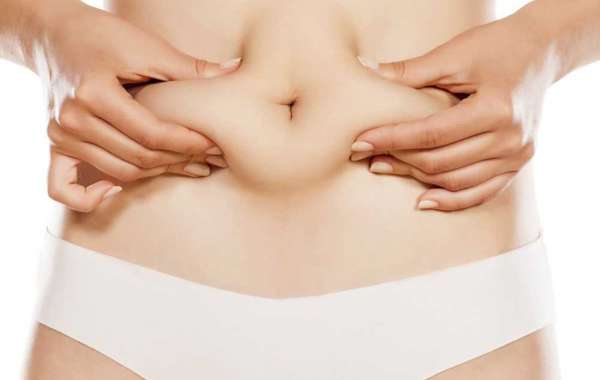

When considering body contouring procedures, understanding safety principles is essential for achieving predictable and healthy outcomes. Every year, more individuals explore aesthetic body refinement, making awareness of proper safety protocols increasingly important. One of the most discussed cosmetic procedures globally is Liposuction in Dubai, which focuses on fat reduction and body sculpting. However, its success and safety depend heavily on preparation, patient selection, and adherence to medical guidance before and after the procedure. Patients who take time to understand the process are far more likely to experience smoother recovery and reduced complications while achieving desired results.
Understanding Liposuction Safety Basics
Safety in body contouring begins with understanding how the procedure works at a fundamental level. Liposuction involves the removal of localized fat deposits through controlled techniques designed to reshape body contours. While the method is widely performed, it still requires careful planning because the body’s response to fat removal can vary significantly from person to person.
The most important safety principle is recognizing that it is not a weight-loss solution but a contouring tool. Patients with stable body weight and good overall health typically respond better. When expectations align with biological reality, risks are reduced and satisfaction increases. Hydration status, skin elasticity, and general physical fitness also play major roles in determining how safely the body adapts during recovery.
Pre-Procedure Health Assessment and Preparation
Before undergoing any body contouring intervention, a thorough health assessment is crucial. The body must be evaluated for underlying conditions that could affect healing or increase risk. This includes cardiovascular health, metabolic balance, and immune system efficiency. Patients are often advised to stabilize their weight and maintain a consistent lifestyle before proceeding.
Preparation also involves avoiding substances that may interfere with blood clotting or healing processes. Proper nutrition is another key factor, as a well-nourished body responds more efficiently to physical stress and tissue recovery. Adequate protein intake, hydration, and vitamin balance support tissue regeneration and reduce post-procedure fatigue.
Mental preparation is equally important. Patients who understand both benefits and limitations are more likely to follow instructions and maintain realistic expectations, which directly contributes to safer outcomes.
Importance of Realistic Expectations
One of the most overlooked safety aspects is psychological readiness. Unrealistic expectations often lead to dissatisfaction, even when physical results are technically successful. Patients should understand that body contouring refines shape rather than creates perfection.
Healing timelines also vary. Swelling, bruising, and temporary asymmetry are common during recovery and should not be mistaken for final results. When individuals anticipate these temporary changes, they are less likely to experience anxiety during healing.
A stable mindset allows patients to follow post-care instructions more effectively, which significantly reduces complications. Emotional preparedness and physical readiness together form the foundation of procedural safety.
Choosing the Right Procedure Plan
Every body is unique, and safety depends on customizing the approach to individual anatomy. Factors such as fat distribution, skin tightness, and muscle tone influence how the procedure is planned. A conservative approach is often safer than aggressive fat removal, as it reduces trauma to surrounding tissues.
Gradual contouring strategies allow the skin to adjust naturally, minimizing irregularities. Overcorrection or excessive fat removal can increase the risk of contour deformities, prolonged swelling, or delayed healing. Therefore, a measured and structured plan is essential for maintaining both aesthetic and physiological balance.
Communication between patient and provider plays a key role in designing an appropriate plan. Clear discussion about goals, limitations, and procedural scope ensures that safety remains the top priority throughout the process.
Hygiene and Sterility Standards
In any surgical environment, hygiene is one of the most critical safety pillars. Strict sterilization protocols are required to minimize infection risks. All instruments and surfaces must be properly disinfected, and procedural environments should maintain controlled cleanliness standards.
Patients also play a role in maintaining hygiene before and after the procedure. Following pre-care cleansing instructions and keeping the treated area clean during recovery helps reduce the likelihood of complications.
Infections, though rare when proper protocols are followed, remain one of the most preventable risks. Awareness and compliance significantly reduce this risk factor and support smooth healing.
Anesthesia and Medical Monitoring Safety
Comfort and safety during the procedure depend heavily on proper monitoring. Anesthesia, when used, must be carefully managed to match the patient’s health profile. Continuous monitoring of vital signs ensures that the body responds appropriately throughout the procedure.
Medical supervision during the process helps detect any changes early, allowing immediate adjustments. This proactive approach is essential for maintaining stability and reducing intra-procedural risks.
Post-procedure monitoring is equally important, as the initial recovery phase can involve fluctuations in fluid balance, blood pressure, and mild discomfort. Structured observation ensures that any irregularities are addressed promptly.
Post-Procedure Recovery Guidelines
Recovery is a critical phase where safety measures must be followed diligently. The body undergoes healing and adjustment, and proper care significantly influences final results. Rest is essential, but light movement is also encouraged to support circulation and reduce stiffness.
Compression garments are often used to help the body adapt to its new contours and minimize swelling. Consistency in wearing them as advised contributes to smoother healing and better shape definition.
Hydration and balanced nutrition remain important during recovery. The body requires additional resources to repair tissues and manage inflammation. Avoiding strenuous activities ensures that healing tissues are not stressed prematurely.
Patients should also be mindful of gradual progress rather than immediate transformation. Visible improvements occur over time as swelling subsides and tissues settle.
Warning Signs and When to Seek Help
Understanding warning signs is an essential part of post-procedure safety. Unusual pain, persistent swelling, or unexpected changes in skin color should not be ignored. Early attention to such signs prevents complications from escalating.
Mild discomfort and temporary bruising are expected, but anything beyond normal recovery patterns should be evaluated promptly. Monitoring body responses closely during the healing phase ensures that any issues are addressed early.
Being proactive rather than reactive is one of the most effective ways to maintain safety after body contouring procedures.
Long-Term Maintenance and Lifestyle Care
Long-term safety does not end with recovery. Maintaining results requires a balanced lifestyle that includes regular physical activity and mindful nutrition. Weight fluctuations can affect results over time, so consistency is key.
Healthy habits support skin elasticity and overall body tone, preserving the benefits of the procedure. Patients who adopt sustainable lifestyle practices tend to experience longer-lasting satisfaction and improved overall wellness.
Book Us
When considering body refinement procedures, informed decision-making remains the foundation of safe outcomes. Every stage, from preparation to recovery, contributes to overall success, and awareness significantly reduces risks associated with cosmetic interventions. Liposuction should always be approached with careful planning, realistic expectations, and disciplined aftercare to ensure optimal results. For those seeking professional guidance and structured aesthetic solutions, Enfield Royal Clinic Dubai offers dedicated services focused on patient safety, precision, and individualized care planning.