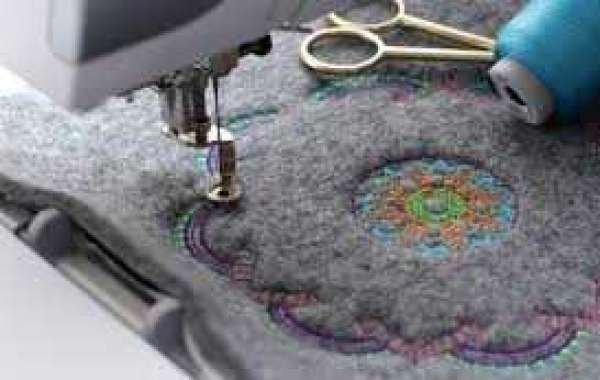

custom embroidery digitizing is the process of converting artwork, logos, or images into a digital embroidery file that embroidery machines can read and stitch accurately onto fabric. Many businesses, clothing brands, sports teams, and individuals rely on this process to create professional embroidered products. Without proper digitizing, even the most attractive design can produce poor embroidery results, leading to thread breaks, uneven stitches, and distorted patterns.
Creating Professional Embroidered Designs from Any Artwork
Embroidery has remained one of the most respected decoration methods for apparel and promotional products. Unlike printing, embroidery adds texture, durability, and a premium appearance to garments. However, achieving excellent embroidery results requires more than simply uploading an image into an embroidery machine.
A design must first be prepared in a way that tells the machine exactly how to stitch every detail. This is where digitizing becomes an essential step in the embroidery production process.
Why Digitizing Matters in Embroidery
Many people assume that embroidery machines can automatically convert images into stitches. In reality, embroidery machines require specialized files containing stitch instructions. These instructions determine:
- Stitch type
- Stitch direction
- Stitch density
- Thread sequence
- Underlay settings
- Fabric compensation
If these settings are not properly configured, the final embroidery may look significantly different from the original artwork.
Professional digitizing ensures that the design maintains its shape, clarity, and visual appeal once stitched onto fabric.
Common Problems People Face with Embroidery Designs
Many embroidery projects encounter issues because the digitizing process was rushed or completed incorrectly. Some of the most common problems include:
Poor Detail Reproduction
Small text and intricate details often become unreadable when digitized improperly. Thin lines may disappear completely during stitching.
Fabric Distortion
Different fabrics react differently to embroidery. A design that works on a cap may not perform well on a polo shirt or jacket without proper adjustments.
Thread Breaks
Excessively dense stitching can cause thread breaks, machine downtime, and production delays.
Uneven Coverage
Incorrect stitch settings may leave gaps or create excessive thread buildup, affecting the overall appearance of the design.
Misaligned Elements
Complex logos with multiple components may shift during embroidery if proper compensation settings are not applied.
Understanding these challenges helps businesses appreciate the importance of working with skilled digitizers.
How the Digitizing Process Works
The process begins with artwork evaluation. A digitizer reviews the design and determines the best embroidery approach.
The typical workflow includes:
- Analyzing the artwork.
- Simplifying unnecessary details.
- Selecting appropriate stitch types.
- Setting stitch directions.
- Adjusting density and pull compensation.
- Defining color changes.
- Testing the design.
- Making revisions if needed.
This careful planning helps ensure that the finished embroidery matches the original concept as closely as possible.
Choosing the Right Stitch Types
Different stitch types serve different purposes in embroidery.
Satin Stitches
Satin stitches are commonly used for lettering, borders, and narrow design elements. They create a smooth and polished appearance.
Fill Stitches
Fill stitches cover larger areas and provide texture while maintaining durability.
Running Stitches
Running stitches are ideal for fine details, outlines, and decorative accents.
Selecting the proper stitch type is crucial because it directly impacts the appearance and durability of the embroidered design.
The Importance of Fabric Considerations
Not all fabrics behave the same way during embroidery.
For example:
- Cotton tends to provide stable embroidery results.
- Performance fabrics may require additional stabilization.
- Caps often need specialized digitizing techniques.
- Stretch materials demand extra compensation adjustments.
A skilled digitizer accounts for fabric characteristics before creating the embroidery file.
This helps prevent puckering, distortion, and registration issues during production.
Benefits for Businesses
Businesses frequently use embroidered products for branding and marketing purposes. Professional digitizing offers several advantages.
Consistent Branding
Well-digitized logos maintain a uniform appearance across shirts, hats, jackets, and promotional items.
Professional Image
Clean embroidery enhances brand credibility and creates a polished presentation.
Long-Term Durability
Proper stitch settings improve the longevity of embroidered products.
Cost Efficiency
Accurate files reduce production errors and minimize wasted materials.
These benefits make professional digitizing an important investment for companies seeking high-quality embroidered merchandise.
Applications Across Different Industries
Digitized embroidery files are used in numerous industries.
Corporate Branding
Companies use embroidered uniforms and promotional apparel to strengthen brand recognition.
Sports Teams
Teams rely on embroidered logos, names, and patches for professional-looking uniforms.
Fashion Industry
Fashion brands often incorporate embroidery into premium clothing collections.
Schools and Organizations
Educational institutions use embroidered apparel for staff uniforms, clubs, and events.
Personal Projects
Individuals frequently create custom gifts, monograms, and decorative items through embroidery.
Each application requires careful planning to achieve the best possible results.
Tips for Better Embroidery Results
Whether you are ordering embroidery for business or personal use, the following tips can help improve the outcome.
Use High-Quality Artwork
Clear vector files or high-resolution images provide the best foundation for digitizing.
Avoid Excessive Detail
Extremely small details may not translate effectively into embroidery.
Consider Fabric Type
Always inform the digitizer about the material being embroidered.
Request a Sample
Testing a design before large production runs helps identify potential issues.
Work with Experienced Professionals
Skilled digitizers understand how stitches interact with different fabrics and design elements.
Following these recommendations can significantly improve embroidery quality.
Future Trends in Embroidery Digitizing
Modern embroidery technology continues to evolve. Advanced software now offers improved stitch simulation, better fabric compensation tools, and more efficient production workflows.
Artificial intelligence and automation are also beginning to assist digitizers in handling repetitive tasks. However, human expertise remains essential because successful embroidery still depends on artistic judgment and technical experience.
As embroidery demand continues to grow, high-quality digitizing services will remain a crucial part of producing professional embroidered products.
Conclusion
Custom embroidery digitizing plays a vital role in transforming artwork into machine-ready embroidery files. It helps prevent common issues such as distortion, poor detail reproduction, and thread breaks while ensuring that embroidered designs look professional and consistent.
Whether you are creating corporate uniforms, sports apparel, fashion products, or personalized gifts, investing in quality digitizing can dramatically improve the final result. By understanding the process and working with experienced professionals, businesses and individuals can achieve embroidery that is both visually impressive and durable for long-term use.