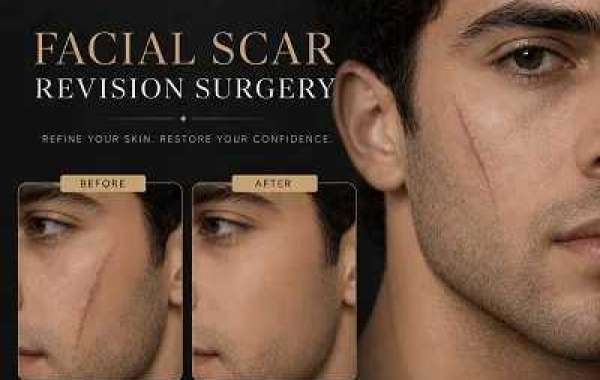

Facial scars are a natural part of the skin's healing process after acne, injuries, burns, surgery, or other trauma. While scars are medically harmless in most cases, they can still affect the smoothness, tone, and overall appearance of the skin. Because the face is always visible, even small imperfections may feel more noticeable than they actually are.
Modern facial scar revision focuses on something very important: subtle changes that create powerful results. Instead of completely altering the skin, today's treatments aim to refine, smooth, and improve scars so they blend naturally with the surrounding skin.
Understanding Facial Scar Revision
Facial scar revision refers to a group of medical and cosmetic treatments designed to improve the appearance of scars. The goal is not to erase scars completely but to make them less visible and more balanced with the rest of the skin.
It typically addresses:
- Uneven skin texture
- Color differences (red, dark, or light scars)
- Raised or sunken areas
- Irregular scar shape
- Overall skin smoothness
Each treatment plan is customized according to the type and severity of the scar.
Why Subtle Changes Matter
Scar revision works best when improvements are gradual and natural-looking. Instead of dramatic changes, small refinements often lead to the most realistic results.
Subtle improvements can:
- Smooth rough skin without overcorrecting
- Lighten discoloration without affecting natural tone
- Reduce scar depth gradually
- Improve skin texture over time
- Maintain natural facial expressions and identity
These small changes often combine to create a noticeable overall transformation.
Common Types of Facial Scars
Understanding your scar type helps determine the best treatment approach.
Acne Scars
Often appear as small pits, depressions, or uneven texture caused by inflammation.
Surgical Scars
Linear scars that may become raised, widened, or uneven over time.
Injury Scars
Result from cuts or trauma and may heal irregularly.
Raised Scars
Includes hypertrophic and keloid scars that are thicker than normal skin.
Depressed Scars
Sunken scars that create shadows on the face.
Best Treatments for Subtle but Powerful Results
Modern scar revision uses a combination of gentle yet effective treatments.
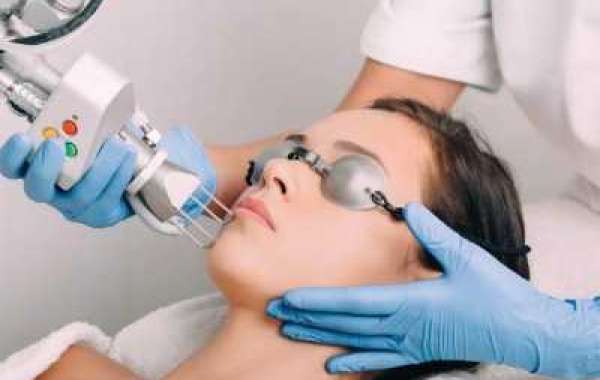
Laser Resurfacing
Laser therapy improves skin by removing damaged layers and stimulating collagen production.
Benefits:
- Smoother texture
- Reduced redness
- More even tone
Microneedling
This technique creates tiny controlled injuries that trigger natural healing.
Benefits:
- Gradual improvement
- Natural collagen boost
- Reduced acne scarring
Dermal Fillers
Fillers restore volume under sunken scars.
Benefits:
- Immediate improvement
- Smooth skin surface
- Natural contour correction
Surgical Scar Revision
Used for deeper or more visible scars that need structural correction.
Benefits:
- Refined scar lines
- Improved alignment with skin folds
- Long-lasting results
Chemical Peels
Peels remove damaged outer skin layers.
Benefits:
- Brighter complexion
- Improved pigmentation
- Smoother surface
Steroid Injections
Used mainly for raised scars.
Benefits:
- Flattens thick tissue
- Softens scar texture
- Reduces inflammation
Combination Treatments: The Key to Best Results
One of the most effective approaches today is combining treatments. Different methods target different problems, such as texture, depth, and color.
Common combinations include:
- Laser + microneedling
- Fillers + subcision
- Surgery + laser therapy
- Peels + topical skincare
This layered approach produces more complete and natural-looking improvement.
What results can you expect?
Scar revision delivers gradual but meaningful improvements rather than instant perfection.
Most patients notice:
- Smoother skin texture
- Reduced scar visibility
- More even skin tone
- Better blending with surrounding skin
- Improved facial harmony
Over time, these subtle changes create a powerful overall transformation in appearance.
Healing and Recovery
Recovery depends on the treatment type:
Non-Surgical Treatments
- Mild redness or swelling
- Short downtime
- Gradual visible improvement
Surgical Treatments
- Temporary bruising or swelling
- Longer healing period
- Progressive refinement over months
Healing is an important part of the process, as collagen continues to remodel the skin.
Importance of Aftercare
Proper aftercare ensures the best possible outcome.
Key steps include:
- Daily sunscreen use
- Avoiding sun exposure
- Keeping skin moisturized
- Following skincare instructions
- Attending follow-up visits
Good aftercare helps maintain results and prevent pigmentation changes.
Realistic Expectations
Understanding what scar revision can and cannot do is essential.
It can:
- Improve scar appearance significantly
- Make scars less noticeable
- Enhance skin texture and tone
It cannot:
- Completely remove scars
- Guarantee identical skin restoration
- Deliver instant transformation
The goal is improvement, not perfection.
Conclusion
Subtle changes in facial scar revision can lead to powerful, life-changing results. Through treatments like lasers, microneedling, fillers, surgery, and chemical peels, scars can be gradually softened, smoothed, and blended into the surrounding skin.
While scars cannot be fully erased, modern scar revision focuses on refinement rather than replacement—helping the skin look more natural, balanced, and healthy. With the right approach, even small improvements can create a strong boost in confidence and overall appearance.