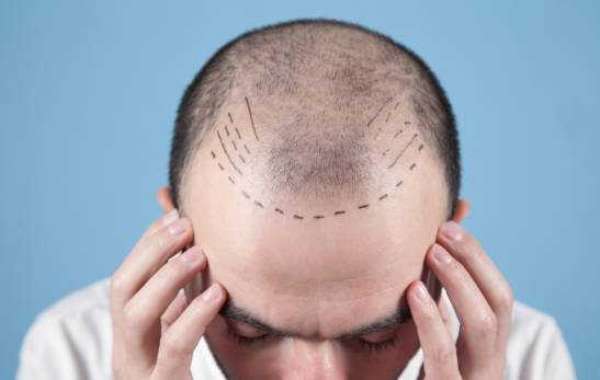

For many individuals, experiencing thinning hair or a receding hairline can feel like a significant life challenge, impacting self-esteem and daily confidence. The pursuit of a permanent solution often leads many to consider a hair transplant in Dubai , a city at the forefront of modern aesthetic medicine. Understanding the reality of this procedure, from the initial consultation to the long-term results, is essential for anyone looking to make an informed decision about their appearance and health. By examining the techniques, the recovery timeline, and the importance of choosing a qualified professional, you can navigate your restoration journey with clarity and realistic expectations.
Decoding Hair Transplant Techniques
When exploring options for hair restoration, you will primarily encounter two established methods: Follicular Unit Extraction (FUE) and Follicular Unit Transplantation (FUT). Each technique serves to harvest healthy hair follicles from a donor area, typically the back or sides of the scalp, to be moved to thinning or balding regions.
Follicular Unit Extraction (FUE)
FUE is widely recognized for its minimally invasive nature. During this procedure, individual hair follicles are harvested one by one using a precision micro-punch tool. This method is highly favored because:
It leaves no linear scar, making it suitable for those who prefer to keep their hair short.
The recovery time is generally faster compared to strip-harvesting techniques.
The precision allows for a more natural-looking distribution of grafts.
Follicular Unit Transplantation (FUT)
Often referred to as the "strip method," FUT involves removing a small, thin strip of scalp tissue from the donor area. This strip is then carefully dissected under a microscope into individual follicular units. While this method can be efficient for harvesting a large number of grafts in a single session, it does result in a linear scar. Patients choosing this route often consider their future hairstyling preferences, as the scar is best concealed when the hair is kept at a certain length.
The Reality of Recovery and Healing
The recovery phase is a critical period that requires patience and strict adherence to post-operative instructions. It is not uncommon for patients to feel a mix of anticipation and anxiety during the first few weeks, but understanding the biological process can help alleviate these concerns.
Initial Days Post-Procedure
Immediately after the transplant, patients may experience mild swelling, redness, or tenderness in both the donor and recipient areas. This is a normal part of the body's inflammatory response. Applying cold compresses as directed and sleeping with the head slightly elevated can significantly help in managing comfort during these first 48 hours.
The First Few Weeks
By the end of the first week, you can typically expect scabbing around the newly placed grafts to resolve. It is vital to avoid touching, scratching, or washing the area with pressure during this time. Protecting the scalp from direct sunlight and avoiding strenuous physical activity ensures that the grafts remain undisturbed as they begin to anchor themselves.
Navigating the Hair Growth Timeline
One of the most common questions from patients is about when they will see their final results. It is important to remember that hair restoration is a gradual process that aligns with the natural hair growth cycle.
Shock Loss (Weeks 2–4): Many patients experience temporary shedding of the transplanted hairs. This is completely normal and is often called "shock loss." The follicles are simply entering a resting phase before beginning a new cycle.
The Dormant Phase (Months 2–4): During this time, there is often little visible growth. This can be a period of waiting, but beneath the surface, the follicles are preparing for the active growth phase.
Initial Growth (Months 4–6): You will begin to see new, fine hairs emerging. These strands will gradually thicken and gain pigment.
Maturation and Density (Months 6–12): This is when significant improvements in coverage become noticeable. The hair density increases, and the overall look becomes fuller and more defined.
Final Results (Months 12–18): Full maturation of the transplanted hair usually occurs by the 12 to 18-month mark, providing the final, long-term outcome.
Safety and Suitability Factors
A hair transplant is a surgical procedure, and as such, it must be performed with the highest standards of safety. Not every individual is an ideal candidate, and a professional assessment is mandatory.
General Health: Patients must be in good overall health, as underlying systemic conditions or bleeding disorders can complicate the surgery and recovery.
Donor Availability: A sufficient supply of healthy donor hair is necessary to achieve the desired density.
Scalp Health: The recipient area must have a healthy scalp environment to support the growth of the new follicles.
Prior to the procedure, a thorough medical review is conducted to rule out contraindications. When performed by a skilled surgeon in a sterile environment, the procedure has a very high success rate, but the quality of the result is always tied to the expertise of the medical team and the level of care taken during the pre- and post-operative stages.
Frequently Asked Questions
Is a hair transplant painful?
Most patients report the procedure is manageable with local anesthesia. You may feel slight pressure or mild discomfort during the numbing process, but the actual surgery is generally well-tolerated.
Can anyone tell I had a transplant?
Modern techniques, particularly FUE, are designed to create a natural-looking hairline. As the hair grows in gradually over several months, the change is often perceived as subtle, making it difficult for others to distinguish the new hair from your natural growth.
What should I avoid after the surgery?
For the first two weeks, it is crucial to avoid strenuous exercise, swimming, direct sun exposure, and wearing hats that might press on the grafts. Your surgeon will provide a specific, customized list of do’s and don’ts.
Does the transplanted hair fall out again?
The hair harvested from the donor area is typically resistant to the hormones that cause male or female pattern baldness. As such, the results are meant to be long-lasting, though maintaining overall hair health is still recommended.
How do I know if I am a good candidate?
A detailed consultation is the only way to know. A professional will assess your hair loss pattern, scalp elasticity, and the density of your donor area to determine if a transplant is the safest and most effective solution for your specific goals.



