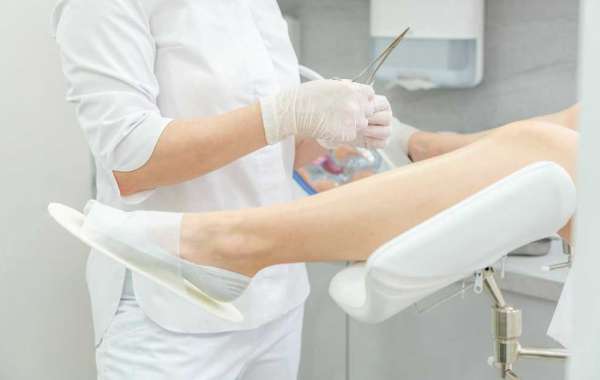

After undergoing Vaginal Reconstruction Surgery, understanding the recovery process is essential for achieving the best possible healing outcome and avoiding complications. Recovery is not a single-stage event but a gradual progression where tissues heal, inflammation reduces, and pelvic function is slowly restored. Each patient heals differently depending on the complexity of the procedure, overall health, age, and adherence to postoperative instructions. Knowing what to expect week by week helps patients prepare physically and mentally for the healing journey.
Immediate Post-Operative Phase (Day 1–7):
The first week after surgery is focused on initial healing, pain management, and preventing early complications such as infection or excessive swelling. During this period, the body begins the inflammatory phase of healing, where blood flow increases to repair tissues and remove damaged cells.
Typical experiences during this phase include:
- Mild to moderate pelvic discomfort or pressure
- Swelling and localized tenderness
- Light vaginal spotting or discharge
- Fatigue due to anesthesia and surgical stress
Patients are usually advised to:
- Rest as much as possible and avoid physical strain
- Take prescribed pain relief and antibiotics if given
- Maintain proper hygiene as instructed by the surgeon
- Avoid inserting anything into the vaginal area
This phase is critical for setting the foundation for proper healing, and strict adherence to medical guidance is essential.
Early Healing Phase (Week 2–3):
During the second and third weeks, the body transitions from inflammation to tissue repair, where collagen production begins to strengthen the surgical area. Although external symptoms may start improving, internal healing is still ongoing and fragile.
Common observations include:
- Reduced pain and swelling compared to the first week
- Gradual improvement in mobility and comfort
- Mild itching as tissues begin to heal
- Continued light discharge in some cases
Important care instructions during this phase:
- Avoid lifting heavy objects or strenuous activity
- Continue pelvic rest and avoid sexual activity
- Wear loose, breathable clothing for comfort
- Attend scheduled follow-up appointments
At this stage, patients often feel better but must still avoid overexertion to prevent disrupting healing tissues.
Intermediate Recovery Phase (Week 4–6):
This period marks significant improvement in physical comfort and tissue stability. Collagen remodeling strengthens repaired structures, and inflammation typically subsides. Many patients begin resuming light daily activities, although full recovery is still ongoing.
Key developments during this phase include:
- Noticeable reduction in discomfort and swelling
- Improved pelvic strength and stability
- Increased energy levels and mobility
- Gradual return to non-strenuous daily tasks
Guidelines for this stage include:
- Avoid high-impact exercise or heavy lifting
- Continue avoiding sexual intercourse until cleared by a doctor
- Monitor for any unusual pain or discharge
- Begin light walking or approved physical activity if advised
This phase is often when patients begin to feel closer to normal but must remain cautious.
Late Recovery Phase (6–12 Weeks):
By this stage, most external healing has progressed significantly, and internal tissues continue to strengthen and remodel. Patients often undergo medical evaluations to assess surgical success and determine readiness for full activity resumption.
Typical improvements include:
- Near-complete resolution of swelling and tenderness
- Stronger pelvic support and improved function
- Better bladder or bowel control if previously affected
- Increased confidence in physical movement
Medical recommendations may include:
- Gradual return to exercise and normal routines
- Possible clearance for sexual activity depending on healing
- Continued monitoring for long-term outcomes
- Optional pelvic floor rehabilitation if needed
Although recovery is well advanced, internal tissues may still be remodeling for several months.
Long-Term Healing Phase (3–6 Months and Beyond):
Long-term recovery focuses on full tissue maturation, where collagen reorganizes and pelvic structures regain maximum strength and flexibility. This phase is crucial for determining final surgical outcomes.
Long-term healing characteristics include:
- Stable pelvic floor function
- Improved tissue elasticity and strength
- Minimal to no residual discomfort
- Full return to normal lifestyle activities
Patients are encouraged to:
- Maintain a healthy lifestyle to support tissue health
- Continue pelvic exercises if recommended
- Attend periodic follow-ups for long-term assessment
- Report any delayed symptoms such as pain or pressure
At this stage, the body has largely completed structural healing, although subtle tissue changes may continue for several months.
Factors That Affect Recovery Speed:
Recovery is not identical for everyone, and several biological and lifestyle factors can influence how quickly and effectively healing occurs after surgery.
Key influencing factors include:
- Age and natural tissue healing capacity
- Overall health conditions such as diabetes or obesity
- Extent and complexity of the surgical procedure
- Hormonal balance, especially estrogen levels
- Compliance with postoperative instructions
Patients who follow medical guidance closely and maintain good general health tend to recover more smoothly and with fewer complications.
Warning Signs During Recovery:
While most recovery processes proceed without major issues, it is important to recognize warning signs that may indicate complications requiring medical attention.
Symptoms to watch for include:
- Severe or worsening pelvic pain
- Excessive bleeding or foul-smelling discharge
- Fever or signs of infection
- Difficulty urinating or bowel movement issues
- Sudden swelling or unusual pressure
Early reporting of these symptoms can prevent complications and ensure timely medical intervention.
Emotional and Physical Adjustment During Recovery:
Recovery is not only physical but also emotional, as patients adjust to body changes and temporary lifestyle limitations. Emotional support and realistic expectations play an important role in the healing process.
Common emotional experiences include:
- Anxiety about healing progress
- Frustration with activity restrictions
- Gradual improvement in confidence over time
- Relief as symptoms improve
Support from healthcare providers, family, and counseling when needed can significantly improve overall recovery experience.
Final Thoughts:
Recovery after Vaginal Reconstruction Surgery is a gradual process that requires patience, careful attention, and adherence to medical guidance. While initial healing occurs within weeks, full tissue recovery can take several months as the body undergoes deep structural remodeling. Understanding each phase of recovery helps patients set realistic expectations, recognize normal healing patterns, and identify potential concerns early. With proper care and follow-up, most individuals experience significant improvements in function, comfort, and quality of life over time.