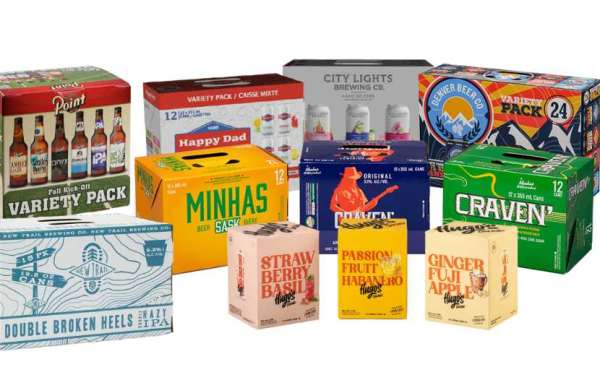

Food safety is one of the most critical factors in the beverage industry. From bottled juices and dairy drinks to energy beverages and flavored water, packaging plays a decisive role in preserving product integrity. Beyond branding and shelf appeal, packaging must comply with strict food-grade standards to ensure consumer safety, regulatory approval, and long-term product stability.
Beverage brands investing in retail beverage packaging must consider material safety, contamination prevention, and compliance with food-contact regulations. Packaging is not simply a container; it is a protective barrier that directly interacts with consumable liquids. Any compromise in quality can affect taste, freshness, and public health.
Why Food-Grade Standards Matter in Beverage Packaging
Food-grade standards are regulatory guidelines that define which materials are safe for direct contact with food and drinks. These standards are established by national and international authorities to prevent chemical migration, bacterial contamination, and material degradation.
Key Objectives of Food-Grade Compliance
- Prevent toxic chemical transfer into beverages
- Maintain flavor and aroma integrity
- Protect against microbial contamination
- Ensure structural durability during transport
- Meet labeling and traceability regulations
Failure to meet these standards can result in product recalls, legal penalties, and damage to brand reputation.
Approved Materials for Beverage Packaging
Food-grade beverage packaging materials must pass strict testing procedures. These materials are chosen based on compatibility with liquid products, temperature resistance, and durability.
Commonly Used Food-Safe Materials
- Food-grade paperboard with protective lining
- BPA-free plastics
- Glass containers
- Aluminum cans with food-safe internal coatings
- Laminated cartons for long shelf-life beverages
For boxed beverages, internal linings prevent liquid absorption and structural weakening. This is especially important in leak-proof beverage packaging designed for dairy, juices, and ready-to-drink products.
The Importance of Barrier Protection
Beverages are highly sensitive to environmental exposure. Oxygen, light, moisture, and bacteria can significantly reduce shelf life.
Essential Barrier Features
- Oxygen-resistant layers to prevent oxidation
- Moisture barriers to protect carton strength
- UV protection for light-sensitive drinks
- Secure sealing mechanisms
Leak-proof beverage packaging ensures liquids remain contained during shipping, stacking, and storage. Poor sealing can lead to contamination, spoilage, and financial loss.
Hygiene and Manufacturing Standards
Food-grade safety goes beyond materials. The manufacturing environment must also meet hygiene regulations.
Critical Safety Measures
- Cleanroom or controlled production environments
- Regular equipment sanitation
- Quality control inspections
- Traceability systems for batch tracking
- Compliance with Good Manufacturing Practices (GMP)
Even the safest materials can become hazardous if processed in unsanitary conditions.
Regulatory Compliance in Global Markets
Beverage brands distributing internationally must comply with regional safety regulations. These regulations vary but share a common focus on consumer health.
Examples of Regulatory Frameworks
- FDA food-contact material standards (USA)
- EU food safety and packaging regulations
- ISO certifications for packaging manufacturers
- Local food authority compliance requirements
Understanding these frameworks ensures seamless distribution and avoids customs delays or product rejection.
Structural Integrity and Safety During Transport
Beverage packaging must endure transportation stress without compromising safety. Vibration, compression, and temperature changes can weaken packaging if not properly designed.
Structural Safety Considerations
- Reinforced corners in custom drink boxes
- Strong adhesive sealing
- Compression-resistant corrugated layers
- Temperature-tolerant materials
Cost-effective beverage packaging does not mean sacrificing strength. Instead, it involves smart material selection that balances durability with affordability.
Preventing Chemical Migration
One of the biggest concerns in beverage packaging is chemical migration — the transfer of substances from packaging into the drink.
How to Minimize Migration Risks
- Use certified food-grade inks and coatings
- Avoid low-quality recycled materials without testing
- Apply protective internal linings
- Conduct regular migration testing
Food-safe inks and adhesives are particularly important for printed surfaces in retail beverage packaging. Poor-quality printing chemicals can compromise product safety.
Sustainability and Food-Grade Responsibility
Modern consumers demand environmentally responsible packaging without compromising safety.
Sustainable Yet Safe Solutions
- Recyclable paperboard with food-safe coatings
- Biodegradable protective layers
- Reduced plastic usage
- Lightweight designs to reduce carbon footprint
Sustainability must align with safety standards. Eco-friendly materials still require proper barrier properties to prevent contamination and spoilage.
The Role of Customization in Beverage Safety
Customized structural design enhances both branding and product protection. Well-designed custom drink boxes can incorporate reinforced bases, tamper-evident seals, and precise fitment to reduce movement during shipping.
Customization allows brands to address specific product needs, such as:
- High-acidity beverages
- Carbonated drinks requiring pressure resistance
- Dairy products needing enhanced insulation
- Single-serve vs. bulk packaging formats
Safety-focused customization improves consumer trust while maintaining compliance.
Tamper Evidence and Consumer Protection
Tamper-evident packaging is a vital safety feature in modern beverage distribution. It provides visible proof that the product has not been opened or altered.
Common Tamper-Resistant Features
- Security seals
- Tear strips
- Heat-shrink bands
- Locking tuck flaps
These mechanisms strengthen consumer confidence and reduce risks associated with product interference.
Balancing Cost and Safety
Brands often aim to reduce packaging expenses while maintaining safety compliance. Cost-effective beverage packaging strategies involve optimizing design rather than cutting quality.
Smart Cost Optimization Methods
- Efficient material usage
- Standardized box dimensions
- Bulk production runs
- Lightweight yet durable board grades
Investing in proper design upfront prevents costly product damage or recalls later.
Quality Testing and Certification
Reliable packaging solutions undergo rigorous testing before market release.
Essential Testing Procedures
- Drop tests
- Compression tests
- Leak resistance tests
- Temperature endurance testing
- Chemical migration analysis
These evaluations ensure packaging performs consistently under real-world conditions.
The Commercial Impact of Safe Beverage Packaging
Food-grade compliance is not only a regulatory necessity; it is a commercial advantage. Consumers are increasingly conscious of packaging quality and health standards.
Safe packaging contributes to:
- Brand credibility
- Repeat purchases
- Reduced returns
- Positive retail relationships
- Long-term profitability
Strategic collaboration with experienced suppliers of custom product packaging ensures brands meet safety standards without compromising design appeal. Selecting reliable partners for custom product packaging allows businesses to combine regulatory compliance, durability, and visual branding in one integrated solution.
Conclusion
Food-grade standards in beverage packaging are essential for protecting consumer health, preserving product quality, and maintaining brand integrity. From certified materials and leak-proof beverage packaging structures to hygienic manufacturing processes, every stage of packaging development influences product safety.
As beverage markets grow increasingly competitive, companies must adopt intelligent design strategies that align safety, sustainability, and efficiency. Thoughtfully engineered custom drink boxes and compliant retail beverage packaging solutions not only safeguard liquids but also strengthen consumer trust.
By prioritizing food-grade compliance and working with specialized providers in the packaging industry, beverage brands can deliver products that are safe, reliable, and commercially successful in every retail environment.