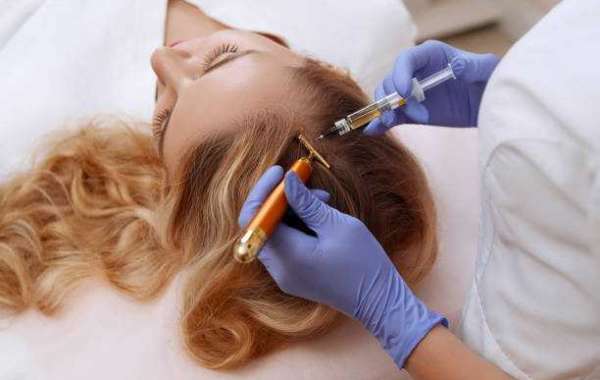

It is completely normal to have questions before starting a hair restoration journey. At Tajmeels Clinic, we believe that an informed patient is a confident patient. Below are the answers to the most common questions we receive about PRP Hair Treatment in Dubai.
1. Is PRP hair treatment safe?
Yes. Because the treatment uses your own blood (autologous), there is no risk of allergic reactions, immune rejection, or sensitivity to synthetic substances. The procedure is performed by our DHA-licensed specialists in a sterile clinical environment, ensuring the highest standards of safety and hygiene.
2. How many sessions will I need?
For most patients, we recommend an initial series of 3–6 sessions, spaced 4–6 weeks apart. This "loading phase" is critical to jump-start the follicles and stabilize hair growth. After the initial series, we typically recommend a maintenance session every 6–12 months to sustain your results.
3. When will I see results?
PRP is a biological process, so patience is key.
Weeks 1–4: You may notice a decrease in shedding.
Months 3–6: This is when most patients begin to see visible improvements in hair density, thickness, and volume.
Months 6+: The hair continues to mature, and you should see the cumulative effects of the full treatment series.
4. Does it hurt?
Most patients find the procedure very tolerable. We use a topical numbing agent and/or cooling devices to ensure the scalp is comfortable during the injections. You might feel light pressure or a slight pinch, but it is generally described as far less painful than one might expect.
5. Can I go back to work immediately?
Absolutely. There is no "social downtime" required. You can return to your office, gym, or social activities immediately after leaving the clinic. You may have minor, temporary redness at the injection sites, but this usually fades within a few hours to a day.
6. Is PRP a permanent cure for hair loss?
PRP is not a "cure" for the underlying genetics of hair loss; rather, it is a long-term management strategy. Because your body continues to age and react to genetic/environmental factors, ongoing maintenance is necessary to keep your hair follicles in their peak, active state.
7. Who is the best candidate for PRP?
The best candidates are individuals in the early-to-moderate stages of thinning. PRP is most effective when hair follicles are still present and alive. If an area has been completely bald for many years, the follicles may be permanently inactive, and other solutions like hair transplantation may be required.
8. Can I combine PRP with other hair treatments?
Yes, and we often recommend it. Many of our patients see superior results when combining PRP with other strategies, such as professional scalp-health treatments, specialized nutrition, or microneedling. During your consultation, we will create a personalized "multi-modal" plan that may include one or more of these options.
9. Why is the cost of PRP different across clinics?
The cost often reflects the quality of the technology (e.g., the precision of the centrifugation system) and the expertise of the medical team. At Tajmeels Clinic, we prioritize high-concentration plasma extraction and DHA-licensed professional oversight, ensuring your investment is directed toward the most effective, safe, and reliable results possible.
10. How do I know if I am a candidate?
The only way to know for sure is through a professional assessment. We invite you to book a consultation at Tajmeels Clinic. Our experts will examine your scalp, discuss your medical history, and provide an honest evaluation of whether PRP is the right choice for your specific hair loss journey.