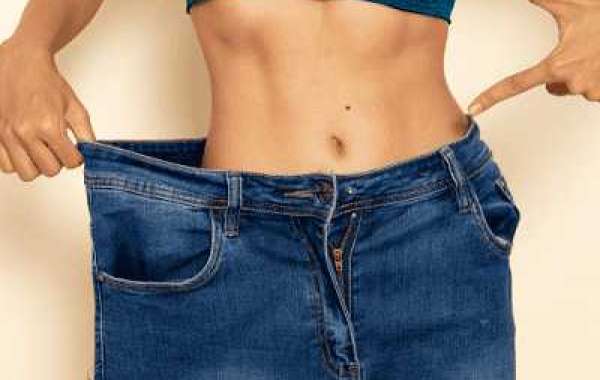
A Tummy Tuck, also known as abdominoplasty, is a surgical procedure designed to remove excess abdominal skin and fat while tightening weakened muscles. It is commonly chosen by individuals seeking a flatter, firmer abdominal contour after weight changes, pregnancy, or aging.
While most people focus on the surgery itself, recovery plays an equally important role in achieving the best results. One of the most overlooked but crucial aspects of healing is sleeping position. After a Tummy Tuck, how a person sleeps can directly affect comfort, swelling, and overall recovery.
This article explains the safest sleeping positions, what to avoid, and practical tips to make rest more comfortable during the healing journey.
Why Sleeping Position Matters After a Tummy Tuck
Sleep is the body’s natural healing time, and after abdominal surgery, proper positioning becomes essential. The abdominal area is sensitive, and pressure on the surgical site can lead to discomfort or delay healing.
Key reasons sleeping position is important:
- Reduces strain on healing abdominal muscles
- Helps minimize swelling and fluid buildup
- Improves blood circulation for faster recovery
- Prevents tension on surgical stitches or incisions
- Enhances overall comfort during rest
For individuals recovering from a Tummy Tuck, even small adjustments in sleeping posture can make a significant difference in healing quality.
Best Sleeping Position After a Tummy Tuck
The most recommended sleeping position after a tummy tuck is a slightly bent or reclined posture. This helps reduce pressure on the abdomen while keeping the body relaxed.
1. Sleeping in a reclined position
This is considered the safest and most comfortable option during early recovery.
A reclined position can be achieved using:
- Adjustable beds
- Recliner chairs
- Multiple pillows supporting the back
This position helps keep the torso slightly elevated and reduces strain on the abdominal area after a Tummy Tuck.
2. Sleeping with knees slightly elevated
Keeping the knees bent helps reduce tension on the lower abdomen. It also prevents the body from stretching the incision area during sleep.
A pillow placed under the knees can provide:
- Better spinal alignment
- Reduced abdominal pressure
- Improved comfort during rest
3. Back sleeping with support
Sleeping on the back is generally recommended, but it must be properly supported.
To maintain comfort:
- Use pillows under the head and shoulders
- Place a pillow under the knees
- Avoid flattening the body completely
This position helps protect the surgical area while maintaining a natural posture during Tummy Tuck recovery.
Sleeping Positions to Avoid After a Tummy Tuck
Certain sleeping positions can place unnecessary strain on the abdomen and should be avoided during early recovery.
1. Sleeping on the stomach
This position places direct pressure on the surgical site and should be strictly avoided. It can:
- Increase pain and discomfort
- Interfere with healing tissues
- Affect incision integrity
2. Sleeping flat without support
Lying completely flat too early can stretch the abdominal area and increase tightness. It may also lead to discomfort when waking up.
3. Twisting or side pressure
While side sleeping may become possible later, early recovery requires avoiding twisting or uneven pressure on the abdomen.
Following these precautions helps ensure smoother recovery after a Tummy Tuck.
How Long Should Special Sleeping Positions Be Maintained?
The duration of modified sleeping positions varies depending on individual healing speed and surgical complexity.
First 1–2 weeks
- Reclined or bent position is strongly recommended
- Movement should be limited and controlled
Weeks 2–4
- Gradual improvement in comfort
- Some individuals may slowly adjust their sleeping posture under guidance
After 4–6 weeks
- Many people can return to more natural sleeping positions
- However, comfort and healing progress should always guide positioning
Recovery timelines for a Tummy Tuck may vary, so adjustments should be made gradually.
Tips for Comfortable Sleep After a Tummy Tuck
Getting quality sleep after surgery can be challenging at first, but several strategies can improve comfort.
Use multiple pillows
Pillows can be used to support the back, knees, and sides to maintain a stable position.
Wear compression garments
These garments help reduce swelling and provide abdominal support, making sleep more comfortable.
Keep essentials nearby
Having water, medications, and essentials within reach reduces unnecessary movement at night.
Practice slow movements
Getting in and out of bed should be done slowly to avoid straining the abdominal muscles.
Maintain a calm sleep environment
A quiet, comfortable sleeping space helps the body relax and recover more effectively after a Tummy Tuck.
Common Sleep Challenges After a Tummy Tuck
It is normal to experience sleep disturbances during early recovery. Understanding these challenges helps reduce stress.
Difficulty finding a comfortable position
The abdomen may feel tight, making it hard to settle into one position initially.
Interrupted sleep
Discomfort or the need to adjust position may lead to waking up during the night.
Fatigue despite rest
The body uses energy to heal, so patients may still feel tired even after sleeping.
Gradual improvement over time
Sleep quality typically improves as swelling reduces and healing progresses.
These challenges are temporary and part of the normal Tummy Tuck recovery process.
When Normal Sleeping Positions Can Resume
Most individuals can slowly return to their normal sleeping positions after a few weeks, depending on healing progress.
Signs it may be safe to change position:
- Reduced pain and tightness
- Decreased swelling
- Comfortable movement while lying down
Even after returning to normal positions, it is important to transition gradually to avoid discomfort or strain following a Tummy Tuck.
Frequently Asked Questions
1. Can I sleep on my side after a tummy tuck?
Side sleeping is generally avoided in the early recovery phase but may be allowed later depending on healing progress.
2. Why do I need to sleep in a reclined position after surgery?
A reclined position reduces tension on the abdominal area and supports proper healing of muscles and tissues.
3. How long should I sleep elevated after a tummy tuck?
Most individuals need to sleep in an elevated or bent position for at least 1–2 weeks or until advised otherwise.
4. What happens if I accidentally sleep on my stomach?
It may cause discomfort or strain on the healing area, so it should be avoided as much as possible.
5. Can pillows help improve sleep after a tummy tuck?
Yes, pillows are highly recommended for supporting the back, knees, and sides to maintain a safe position.
6. When will sleep return to normal after a tummy tuck?
Sleep typically improves gradually within a few weeks as pain and tightness decrease.
Final Thoughts
Sleeping properly after a Tummy Tuck is an essential part of recovery that directly influences comfort, healing speed, and surgical results. Maintaining a reclined position, avoiding pressure on the abdomen, and using supportive pillows can significantly improve rest during the early stages.
As healing progresses, sleeping positions can gradually return to normal, but patience is key. By following safe sleeping habits and listening to the body’s signals, individuals can ensure a smoother and more comfortable recovery journey.
Read More About Tummy Tuck: