
The desire for a flatter, more contoured midsection is a common goal for many individuals who have experienced significant weight fluctuations, pregnancy, or the natural effects of aging. When diet and targeted exercise fail to address stubborn abdominal laxity or weakened muscle walls, many turn to abdominoplasty. A Tummy Tuck in Dubai has become an increasingly popular solution for those seeking to restore their physical silhouette. This procedure is not merely about aesthetic enhancement; it is a complex surgical intervention that requires a clear understanding of the anatomical changes involved, the reality of the healing process, and the importance of professional oversight to ensure long-term satisfaction and safety.
Understanding the Need for a Tummy Tuck in Dubai
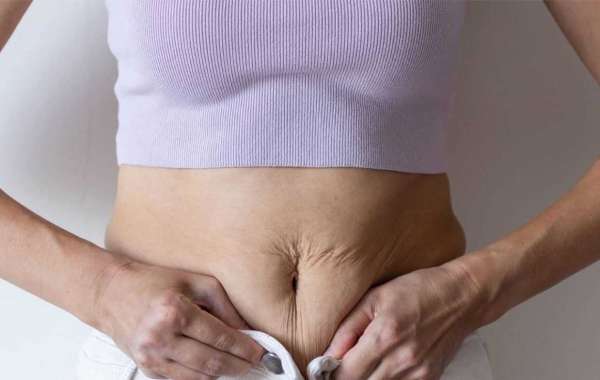
The abdominal area is uniquely susceptible to structural changes. During pregnancy or periods of rapid weight gain, the skin and the underlying abdominal muscles undergo significant stretching. In many cases, these tissues do not return to their original state even after the weight is lost. The skin may lose its elasticity, resulting in sagging, while the muscles, known as the rectus abdominis, can become separated—a condition clinically referred to as diastasis recti.
A Tummy Tuck in Dubai serves as a functional correction for these issues. It is designed to remove redundant skin, excise stubborn fat deposits that resist other methods, and repair the muscle wall to create a firm foundation. Patients seeking this intervention often feel that their midsection no longer reflects their overall level of health or fitness. By addressing these core structural concerns, the surgery allows individuals to regain a profile that feels more consistent with their personal goals.
The Role of Anatomy in Abdominal Surgery
Before planning an abdominoplasty, a surgeon must evaluate the specific nature of your abdominal concerns. Not all midsections are the same. A consultation typically involves a careful assessment of:
Skin laxity: How much extra skin is present and where it is concentrated.
Muscle integrity: Determining if there is a true separation of the abdominal muscles.
Fat distribution: Distinguishing between subcutaneous fat, which sits under the skin, and visceral fat, which sits around the organs and cannot be removed surgically.
Recognizing these factors is vital because a Tummy Tuck in Dubai is not a weight-loss tool. It is a contouring procedure. Individuals who are close to their goal weight often see the most transformative results because the surgery can then focus on the fine details of muscle repair and skin tightening rather than excessive volume reduction.
Surgical Techniques for Tummy Tuck in Dubai
Modern abdominoplasty has evolved into a highly specialized field. Surgeons now employ various techniques tailored to the unique anatomy of the patient, ensuring that the results appear natural and proportionate.
The Full Abdominoplasty Process
A full procedure typically involves an incision that runs horizontally between the hip bones. This allows the surgeon to access the entire abdominal wall. The skin is lifted, the underlying muscles are sutured back into their midline position to create a tight "internal corset," and the skin is pulled downward to be trimmed. The navel is often repositioned to account for the tightening of the surrounding skin.
Mini-Abdominoplasty and Custom Approaches
For patients with less significant skin laxity, often concentrated below the belly button, a mini-tummy tuck may be a more appropriate choice. This involves a shorter incision and a less extensive internal dissection. Some patients may also benefit from a combination approach, where liposuction is used in the flanks or upper abdomen to achieve a more cohesive, hourglass silhouette before the primary muscle repair is performed.
The Reality of Recovery After Tummy Tuck in Dubai
Recovery is the most challenging, yet most important, phase of the patient experience. It is a time of healing that demands patience and strict adherence to medical guidance. Many patients underestimate the physical toll of abdominal surgery and are often surprised by the intensity of the recovery period.
Navigating the First Two Weeks
Immediately following a Tummy Tuck in Dubai, patients should expect a period of limited mobility. Because the abdominal muscles have been tightened, walking upright can be painful or difficult for the first few days. It is common to feel a sense of tightness, swelling, and soreness across the entire midsection.
Manage pain with prescribed medications rather than relying on over-the-counter anti-inflammatories which can increase bleeding risks.
Prioritize rest, but incorporate frequent, short walks around the house to prevent blood clots.
Use pillows to keep the knees bent and the upper body slightly elevated while sleeping, which minimizes tension on the abdominal incision.
Monitor drains—if they are used—and keep a record of fluid output as instructed by your nursing team.
Long-Term Healing and Tissue Maturation
By the end of the first month, most patients find that their mobility has significantly improved, though full-intensity exercise must remain on hold. The swelling, often referred to as "residual edema," can persist for up to six months. This is a normal part of the healing process as the lymphatic system works to clear away the post-surgical fluid.
Avoiding heavy lifting is essential for at least eight weeks. The internal sutures holding the abdominal muscles together need time to form a stable bond. Rushing this process by performing core-heavy exercises too early can jeopardize the repair, leading to discomfort or even a recurrence of the muscle separation.
Safety Protocols and Patient Selection
The safety of a Tummy Tuck in Dubai is determined by the quality of the screening process. A professional surgeon acts as a gatekeeper, ensuring that only those who are physically and mentally prepared for the demands of the surgery proceed.
Contraindications and Risk Mitigation
Not every candidate is suitable for a major abdominal procedure. Patients with uncontrolled chronic health conditions, such as diabetes or severe cardiovascular issues, are generally advised against the surgery. Furthermore, active smokers are required to cease the habit well in advance, as nicotine significantly impairs the body's ability to heal and increases the risk of tissue necrosis along the incision line.
Comprehensive blood panels are required to check for anemia or clotting abnormalities.
Pre-surgical consultations will involve a discussion on the risks of DVT and pulmonary embolism, with preventative measures like compression stockings being non-negotiable.
Patients should be prepared to discuss their expectations openly to ensure they are realistic about the nature of surgical scarring and the permanence of the changes.
Achieving Proportional Results
The hallmark of a high-quality Tummy Tuck in Dubai is proportionality. The goal is not just to make the abdomen flat, but to ensure that the new shape integrates seamlessly with the rest of the body. A surgeon’s "eye" for aesthetics is what distinguishes a successful procedure from one that looks stiff or unnatural.
When the muscles are tightened correctly, the result is a firmer, more stable core. However, the surgeon must be careful not to overtighten the tissues, which can lead to a "flattened" look that lacks the natural curvature of the torso. Success is defined by a result that looks as though the patient has maintained a high level of physical fitness, rather than looking like they have undergone significant surgical intervention.
The Role of Lifestyle in Maintaining Results
Surgery provides a "reset," but lifestyle determines longevity. The abdominal repair performed during a Tummy Tuck in Dubai is robust, but it can still be affected by significant future weight gain or subsequent pregnancies.
Consistent hydration supports skin health and helps the tissue remain resilient.
A diet focused on anti-inflammatory whole foods helps reduce systemic swelling during the long-term recovery phase.
Core-strengthening exercises, once cleared by your surgeon, help maintain the integrity of the muscle repair and improve posture.
Many patients report that the investment they make in their recovery encourages them to be more mindful of their health, which is perhaps the greatest secondary benefit of the procedure.
FAQs about Tummy Tuck in Dubai
- Is a Tummy Tuck in Dubai meant for weight loss?
- No. It is a body contouring procedure. It is best suited for those at or near their goal weight who have skin laxity or muscle separation.
2. Will I have a permanent scar?
Yes. An incision is required for the procedure. However, a skilled surgeon places it low on the abdomen so it can be easily hidden under swimwear or underwear.
3. How long does the procedure take?
The surgery typically takes between 3 to 5 hours, depending on the complexity of the muscle repair and the amount of skin to be removed.
4. Can I get pregnant after this surgery?
While it is physically possible, it is strongly recommended to wait until you are finished having children. Pregnancy will stretch the repaired muscles and skin again, reversing the results.
5. What is the most common complication to watch for?
Fluid collection, known as a seroma, is a common post-operative concern. Following compression instructions helps mitigate this risk.
6. When can I return to work?
Most patients can return to non-strenuous office work within 2 to 3 weeks, depending on their comfort levels and the specific requirements of their job.
7. Is general anesthesia necessary?
Yes, this procedure is complex and requires general anesthesia to ensure you remain comfortable and still throughout the surgery.
8. How do I know if I am a good candidate?
If you have persistent skin laxity, muscle separation, or an abdominal profile that does not respond to diet and exercise, a consultation will help determine if you are a candidate.
The journey toward abdominal restoration is a significant decision that impacts your physical comfort and self-assurance. Success depends on choosing a path of clinical excellence, transparency, and patience. By focusing on safety and realistic expectations, you ensure that your transformation is handled with the highest level of care. To begin your journey and receive a personalized assessment for a Tummy Tuck in Dubai, the specialists at Tajmeels Clinic are ready to provide the expert guidance you need.