
Gallbladder problems can disrupt your daily life, causing unexpected pain and discomfort that often worsens after meals. If you have been diagnosed with gallstones, you may feel uncertain about the next steps and concerned about undergoing surgery. This comprehensive guide explains everything you need to know about gallstone surgery in Dubai, from understanding your condition to choosing the right treatment approach for lasting relief.
Understanding Gallbladder Disease
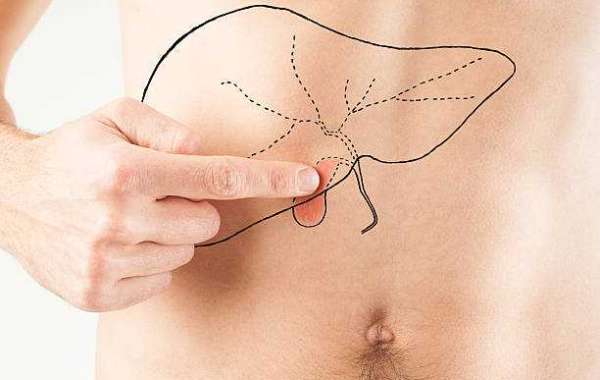
The gallbladder serves an important role in your digestive system by storing bile produced by the liver. When you eat, particularly fatty foods, the gallbladder releases bile to help break down fats. However, when the chemical balance in bile becomes disrupted, hard particles called gallstones can form. These stones vary in size and number, and while some people never experience symptoms, others face recurring episodes of intense pain.
Common Symptoms That Indicate the Need for Surgery
Recognizing the warning signs early can prevent complications and guide you toward appropriate treatment. Many patients seeking gallstone surgery in Dubai report experiencing:
Sharp pain in the upper right abdomen that may radiate to the back or shoulder
Nausea and vomiting during or after meals
Indigestion, bloating, and excessive gas
Pain that intensifies after consuming fatty or heavy meals
Fever and chills in cases of gallbladder inflammation
These symptoms should not be ignored, as they can indicate progressive gallbladder disease requiring surgical intervention.
When Surgery Becomes Necessary
Not every gallstone requires surgical removal. Many people live with asymptomatic gallstones discovered incidentally during routine checkups. However, certain situations make gallstone surgery in Dubai the most appropriate course of action for your health.
Indications for Surgical Intervention
Recurrent biliary colic: Repeated episodes of severe pain that affect your quality of life
Acute cholecystitis: Inflammation of the gallbladder causing persistent pain and fever
Gallstone pancreatitis: Stones blocking the pancreatic duct, leading to pancreatic inflammation
Choledocholithiasis: Stones migrating into the common bile duct, potentially causing jaundice
Your surgeon will evaluate your specific situation and recommend surgery when the benefits clearly outweigh the risks of conservative management.
Types of Gallstone Surgery Available
Dubai's healthcare landscape offers two primary surgical approaches for gallbladder removal, each with distinct advantages depending on your condition.
Laparoscopic Cholecystectomy
This minimally invasive technique has become the standard of care for gallstone surgery in Dubai. The procedure involves making several small incisions, typically less than two centimeters, through which specialized instruments and a tiny camera are inserted. The surgeon views the operation on a high-definition monitor, allowing for precise removal of the gallbladder.
Advantages of laparoscopic surgery include:
Significantly reduced postoperative pain
Shorter hospital stays, often allowing discharge within 24 hours
Faster return to normal activities and work
Minimal scarring compared to traditional surgery
Lower risk of wound infections and complications
Open Cholecystectomy
In certain complex cases, an open approach may be necessary. This involves a larger incision in the upper abdomen to directly access and remove the gallbladder. Your surgeon may recommend this approach if you have:
Extensive scarring from previous abdominal surgeries
Severe inflammation or infection
Unexpected complications during laparoscopic surgery
Certain anatomical variations
While recovery takes longer with open surgery, it remains a safe and effective option when indicated.
What Makes Dubai a Preferred Destination for Gallstone Surgery
Dubai has established itself as a leading healthcare destination, attracting patients from across the region seeking high-quality surgical care. The city's commitment to medical excellence is reflected in several key areas.
World-Class Medical Infrastructure
Hospitals and surgical centers in Dubai feature cutting-edge technology, including integrated operating theaters, 4K and 3D imaging systems, and robotic-assisted surgical platforms. These advanced tools enhance surgical precision and improve patient safety.
Highly Qualified Surgeons
Surgeons performing gallstone surgery in Dubai have undergone rigorous training, often with international fellowships and extensive experience in minimally invasive techniques. Many are members of prestigious surgical societies and continuously update their skills through ongoing education.
Multidisciplinary Care Approach
Patients benefit from collaborative care involving surgeons, gastroenterologists, anesthesiologists, and nutritionists. This comprehensive approach ensures all aspects of your health are addressed before, during, and after surgery.
Preparing for Your Gallstone Surgery
Proper preparation is essential for a successful outcome and smooth recovery. Your surgical team will provide detailed instructions tailored to your specific needs.
Preoperative Assessments
Before your procedure, you will undergo several evaluations to ensure you are fit for surgery:
Ultrasound imaging to confirm the diagnosis and assess gallbladder condition
Blood tests including liver function tests and complete blood count
Anesthesia consultation to plan safe sedation and pain management
Electrocardiogram for patients with cardiac risk factors
Chest X-ray when indicated
Guidelines for the Day Before Surgery
You will typically be asked to:
Fast for six to eight hours before the procedure
Stop certain medications as directed by your surgeon
Arrange transportation to and from the hospital
Prepare your home for a comfortable recovery period
Following these instructions carefully helps minimize risks and ensures your safety during surgery.
The Surgical Procedure Explained
Understanding what happens during your procedure can alleviate anxiety and help you feel more prepared. Gallstone surgery in Dubai follows a well-established protocol designed for patient safety and optimal outcomes.
Step-by-Step Process
You will receive general anesthesia to ensure you are completely asleep and pain-free throughout the surgery.
For laparoscopic procedures, the surgeon makes three or four small incisions in your abdomen.
Carbon dioxide gas is gently introduced to inflate the abdomen, creating space for safe instrument manipulation.
The laparoscope is inserted, providing a clear, magnified view of your internal organs.
Specialized instruments carefully separate the gallbladder from surrounding tissues.
The gallbladder is removed through one of the small incisions.
The incisions are closed with dissolvable stitches or surgical glue.
The entire procedure typically takes one to two hours, depending on the complexity of your case.
Recovery Journey After Surgery
Your recovery experience depends on several factors, including the type of surgery performed and your overall health. Understanding what to expect can help you plan effectively and recognize normal healing patterns.
Immediate Postoperative Period
In the first 24 to 48 hours after surgery, you can expect:
Some soreness around the incision sites, which is normal and manageable with prescribed pain relief
Shoulder tip pain caused by the gas used during laparoscopy, which typically resolves within a few days
Fatigue as your body directs energy toward healing
Gradual return of appetite over the first day or two
Most patients who undergo laparoscopic gallbladder surgery can go home the same day or the following morning.
Dietary Adjustments
Since your gallbladder no longer stores bile, your digestive system needs time to adapt. During the first few weeks of recovery:
Eat smaller, more frequent meals rather than large portions
Choose low-fat options like lean proteins, vegetables, and whole grains
Avoid greasy, fried, or heavily spiced foods initially
Stay well-hydrated and gradually increase fiber intake to prevent constipation
Most patients can return to a normal diet within a few weeks, though some may notice temporary changes in how they digest certain foods.
Resuming Daily Activities
Your activity level should increase gradually:
Light activities: Resume within a few days of surgery
Driving: Usually possible after one week, once you are no longer taking strong pain medications
Returning to work: Desk jobs typically allow return within one to two weeks
Exercise and heavy lifting: Avoid for two to four weeks or until cleared by your surgeon
Listen to your body and avoid pushing yourself too quickly, as this can delay healing.
Potential Risks and How They Are Managed
While gallstone surgery in Dubai is extremely safe, understanding potential risks helps you make an informed decision. Your surgical team takes multiple precautions to minimize complications.
Common Risks
Bleeding at the surgical site
Infection requiring antibiotics
Injury to surrounding structures, including the bile duct
Development of hernias at incision sites
Adverse reactions to anesthesia
Rare but Serious Complications
Bile leakage requiring additional intervention
Retained stones in the bile duct
Deep vein thrombosis or pulmonary embolism
Your surgeon will discuss these risks with you during your consultation and explain the measures taken to prevent and manage them.
Frequently Asked Questions
Is gallstone surgery in Dubai painful?
The procedure is performed under general anesthesia, so you will not feel pain during surgery. Postoperative discomfort is expected but manageable with prescribed pain medication. Most patients find the pain less intense than the gallbladder attacks they experienced before surgery.
How long does recovery take after laparoscopic gallbladder surgery?
Most patients can resume light activities within a few days and return to work within one to two weeks. Complete recovery and return to strenuous exercise typically takes two to four weeks.
Can I live normally without a gallbladder?
Absolutely. Your liver continues to produce bile, which flows directly into your intestines. Most people adapt within a few weeks and can eat a completely normal diet without digestive problems.
Will I need to follow a special diet forever?
No. While you may need to make temporary adjustments during recovery, most patients return to their normal eating habits within a few months. Some may notice that very fatty foods cause mild digestive discomfort, but this varies among individuals.
How do I choose the right surgeon for my procedure?
Look for board-certified surgeons with extensive experience in laparoscopic gallbladder surgery. Consider their credentials, patient reviews, and the technology available at their facility. A consultation allows you to assess their communication style and approach to patient care.
What happens if I delay surgery?
Delaying necessary surgery can lead to complications such as acute cholecystitis, pancreatitis, or bile duct obstruction. These conditions can be more serious and may require emergency surgery, which carries higher risks than planned procedures.
How much does gallstone surgery cost in Dubai?
Costs typically range between AED 15,000 and AED 35,000, depending on the type of surgery, the facility, and the surgeon's experience. Most insurance plans cover medically necessary gallbladder surgery.
Conclusion
Choosing gallstone surgery in Dubai means opting for exceptional medical care delivered with compassion and expertise. The city's world-class facilities, skilled surgeons, and patient-centered approach ensure you receive the highest standard of treatment for your gallbladder condition. From your initial consultation through recovery, you can expect comprehensive support designed to restore your digestive health and overall well-being.
At Tajmeels Clinic, we understand the concerns that accompany surgical decisions. Our experienced team is committed to providing personalized care using advanced minimally invasive techniques that prioritize your comfort and safety. Contact us today to schedule your consultation and take the first step toward a pain-free, healthier life.