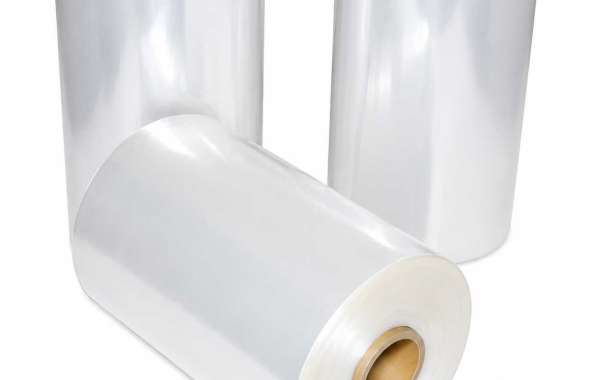

Packaging in the modern era necessitates packaging materials that can serve the purpose of providing protection, visibility, and operational convenience. Heat shrink films provide the above conditions because they wrap the products with a perfect fit. In consequence, companies from many sectors depend on shrink packaging systems for their better appearance and manipulation.
What Is Heat Shrink Film and How Is It Made?
The shrinkable packaging material shrinks due to the application of controlled heat. They typically manufacture it from polyolefin or PVC through a special type of extrusion process. In consequence, it offers good product protection, superior clarity, and reliable protection in the applications of retail, industrial, and food packaging.
Benefits of Using Heat Shrink Film for Product Packaging
Good packaging demands packaging material that is capable of protecting the product while keeping its appearance appealing. Hence, a heat shrink film continues to be an ideal choice for numerous packaging settings.
● Enhanced Product Protection
The shrink film provides the product with a vacuum seal, which protects the product from dust and moisture. Besides, the durable nature of the film ensures that the product does not get damaged while storing and transporting.
● Improved Product Visibility
Transparent packaging enables customers to see through the package. This means that companies can improve their product appearance without compromising package strength.
● Packaging Efficiency and Versatility
Automation of packaging is on the rise, with the global market size for wrapping machines forecasted to grow at a CAGR of 4.7% during 2026 to 2033. For this reason, companies have started using heat shrink plastic materials to make their packaging process efficient for various products.
Key Industries That Rely on Heat Shrink Film Packaging
Shrink packaging is relied upon by many industries for improving product protection and presentation. Moreover, different kinds of films can fulfil various packaging needs.
● Retail and Consumer Goods
Books, toys, crafts, printed products, and electronic gadgets are wrapped in shrink wrap by retail organizations. Moreover, transparent packaging not only enhances the look of the products but also maintains their quality.
● Food and Gift Packaging
The food processing industry and gift basket makers make extensive use of shrink wrapping solutions for packaging purposes. At the same time, the polyolefin film can be considered food-safe and works well under cold storage conditions.
Uses and Applications of Heat Shrink Film in Packaging Operations
Various packaging operations need various film types and machine combinations. As a result, organizations choose materials and machines based on their needs.
● Central Fold and Tubing Film Applications
Central fold films have good results in wrapping a variety of differently shaped products. On the other hand, tubing films are suitable for enclosing products that need to be completely covered up.
● Retail, Industrial, and Speciality Packaging
After determining packaging needs, many companies opt for the heat shrink film for retail packaging, print materials, and industrial products. Also, PVC films provide low shrink temperatures, making them efficient in manual packaging operations.
● Packaging Equipment Compatibility
Different sizes of packaging can be supported by heat guns, hand sealers, I-bar systems, L-bar sealers, and shrink tunnels. Therefore, businesses can ensure that their equipment settings conform to their production needs and packaging objectives.
Conclusion
Heat shrink packaging is essential not only for product protection but also for visibility. There are a variety of films for various packaging purposes. With the appropriate combination of materials and equipment, consistent packaging output will be assured.