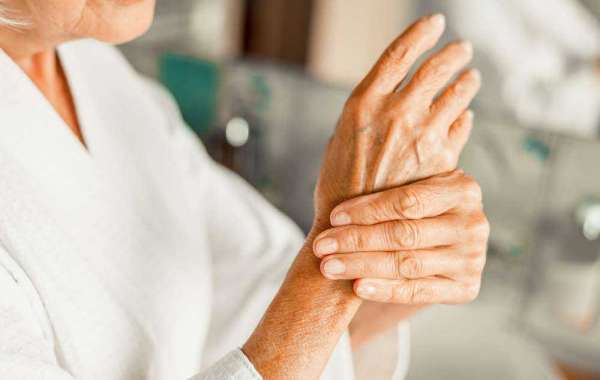

Hand appearance is often one of the first areas where signs of aging become noticeable, as the skin naturally loses volume, elasticity, and hydration over time. Many individuals now seek cosmetic solutions to restore youthful-looking hands through various aesthetic procedures. These treatments can significantly improve texture, volume, and overall appearance, but they are not entirely risk-free.In modern aesthetic medicine, demand for procedures like fillers, laser therapy, and fat transfer has increased rapidly. In this context, many patients explore options such as Hand Rejuvenation in Islamabad to address concerns like wrinkles, visible veins, and sun-damaged skin. While results can be highly satisfying, understanding the potential risks is essential before undergoing any procedure.Hand rejuvenation includes a range of treatments designed to restore lost volume, improve skin quality, and reduce visible aging signs. However, like all cosmetic interventions, these procedures carry certain side effects and complications that should be carefully considered.
Understanding Hand Rejuvenation Procedures
Hand rejuvenation is not a single treatment but a combination of techniques tailored to individual needs. The most commonly used procedures include dermal fillers, fat grafting, laser resurfacing, chemical peels, and skin boosters. Each method works differently and comes with its own set of potential risks.Dermal fillers are often used to restore volume loss and reduce the prominence of veins and tendons. Fat grafting involves transferring fat from another part of the body into the hands for a more natural volumizing effect. Laser treatments and chemical peels focus on improving skin texture, pigmentation, and sun damage. Skin boosters and biostimulators enhance hydration and collagen production.While these treatments can produce noticeable improvements, the complexity of the hands’ anatomy makes them more sensitive to complications compared to some other cosmetic areas.
Common Risks of Hand Rejuvenation
One of the most important aspects of considering any cosmetic procedure is understanding the possible risks. Although hand rejuvenation is generally safe when performed by qualified professionals, complications can still occur.One of the most common risks is swelling and bruising, which typically occurs after injectable treatments such as fillers or fat transfer. While this is usually temporary, it can cause discomfort and require a short recovery period. In some cases, swelling may last longer than expected, especially in individuals with sensitive skin.Infection is another potential risk, particularly when invasive procedures are performed. If proper sterilization techniques are not followed, bacteria can enter the treated area and lead to complications that may require medical treatment. Although rare, infection can affect healing and final results.
Asymmetry is also a concern, especially with filler-based treatments. Since the hands are constantly in motion and exposed to external pressure, uneven distribution of filler material can occur. This may lead to an imbalanced appearance that requires correction.
Lumps, Irregularities, and Texture Issues
Another possible complication is the formation of lumps or uneven texture under the skin. This is more commonly associated with dermal fillers or fat grafting procedures. If the product is not injected evenly or does not integrate properly with the surrounding tissue, it can create visible or palpable irregularities.In some cases, the body may not fully accept the injected fat, leading to partial absorption and uneven results. This unpredictability can make fat grafting less consistent compared to other treatment options.Laser treatments, while effective for skin resurfacing, may also lead to temporary roughness or flaking as the skin heals. If not properly managed, this can result in prolonged recovery or uneven skin texture.
Pigmentation Changes and Skin Sensitivity
Skin discoloration is another risk associated with hand rejuvenation procedures. Laser treatments and chemical peels, in particular, may trigger hyperpigmentation or hypopigmentation, especially in individuals with darker skin tones or sensitive skin types.Hyperpigmentation refers to darkening of the treated area, while hypopigmentation causes lighter patches. Both conditions may take time to resolve and sometimes require additional treatments.Increased skin sensitivity is also common after resurfacing procedures. Patients may experience redness, dryness, or irritation for several days or weeks depending on the intensity of the treatment.
Vascular Complications and Rare Risks
Although rare, vascular complications are among the more serious risks associated with injectable hand rejuvenation procedures. If filler material accidentally enters or compresses a blood vessel, it can restrict blood flow and potentially cause tissue damage.This condition requires immediate medical attention and can lead to prolonged recovery or corrective treatments. While such complications are uncommon, they highlight the importance of choosing a highly trained and experienced practitioner.Nerve irritation or temporary numbness may also occur in some cases, particularly if injections are placed near sensitive nerve endings. This is usually temporary but can be concerning for patients during recovery.
Allergic Reactions and Material Sensitivity
Some individuals may experience allergic reactions to substances used in hand rejuvenation treatments. Although modern fillers and skincare agents are designed to be biocompatible, there is still a small risk of sensitivity.Allergic reactions may present as redness, itching, swelling, or in rare cases, more severe inflammatory responses. Patch testing or prior medical evaluation can help minimize this risk.Fat grafting reduces the likelihood of allergic reactions since it uses the patient’s own tissue, but it still carries procedural risks such as uneven fat survival and absorption.
Overcorrection and Undercorrection
Aesthetic balance is crucial in hand rejuvenation, and achieving the right amount of volume is often challenging. Overcorrection can result in overly plump or unnatural-looking hands, while undercorrection may leave patients unsatisfied with minimal improvement.This risk is particularly relevant in filler treatments where precise dosing is essential. Since the hands are highly visible, even small inconsistencies can be noticeable.Multiple sessions may sometimes be required to achieve optimal results, which can increase overall cost and treatment duration.
Temporary Results and Maintenance Requirements
Another important consideration is that many hand rejuvenation procedures are not permanent. Dermal fillers gradually dissolve over time, and skin treatments may require repeated sessions to maintain results.This means patients should be prepared for ongoing maintenance if they wish to preserve the improved appearance of their hands. While this is not a medical complication, it is a practical limitation that affects long-term satisfaction.Fat grafting may offer longer-lasting results, but fat absorption rates vary between individuals, making outcomes less predictable.
Recovery-Related Discomfort and Downtime
Recovery after hand rejuvenation is generally mild, but some discomfort is expected. Patients may experience swelling, tenderness, or mild bruising for a few days after treatment.In more intensive procedures such as laser resurfacing or fat transfer, downtime may be slightly longer. During this period, patients are advised to avoid excessive sun exposure, heavy hand usage, or activities that may strain the treated area.Proper aftercare plays a crucial role in minimizing risks and ensuring smooth healing. Failure to follow post-treatment instructions can increase the likelihood of complications or delayed recovery.
Who May Be at Higher Risk?
Certain individuals may be more prone to complications from hand rejuvenation procedures. People with bleeding disorders, autoimmune conditions, or poor wound healing ability may experience increased risks during or after treatment.Smokers may also face slower healing and reduced treatment effectiveness due to compromisedblood circulation. Similarly, individuals with a history of severe allergies or skin sensitivity should approach these procedures with caution.A thorough consultation with a qualified specialist is essential to evaluate suitability and minimize potential risks.
How to Minimize Risks Effectively?
The safest way to reduce complications is to choose a qualified and experienced practitioner who understands hand anatomy and aesthetic balance. Proper assessment before treatment ensures that the most suitable technique is selected for each patient.Following pre- and post-treatment instructions carefully can also significantly reduce risks. Avoiding blood-thinning medications before procedures, maintaining hygiene, and attending follow-up appointments are all important steps in safe recovery.Realistic expectations also play a key role in patient satisfaction and safety. Understanding that results vary and may require maintenance helps prevent dissatisfaction or unnecessary repeated procedures.
Conclusion
Hand rejuvenation can be an effective way to restore youthful appearance and improve skin quality, but it is not without risks. From temporary swelling and bruising to rare vascular complications, each procedure carries potential side effects that should be understood in advance.When considering options such as Hand Rejuvenation in Islamabad, patients should prioritize safety, professional expertise, and realistic expectations. Careful planning, proper technique, and experienced medical guidance can significantly reduce risks and enhance outcomes.Ultimately, informed decision-making is the key to achieving safe, natural-looking, and satisfying results in hand rejuvenation treatments