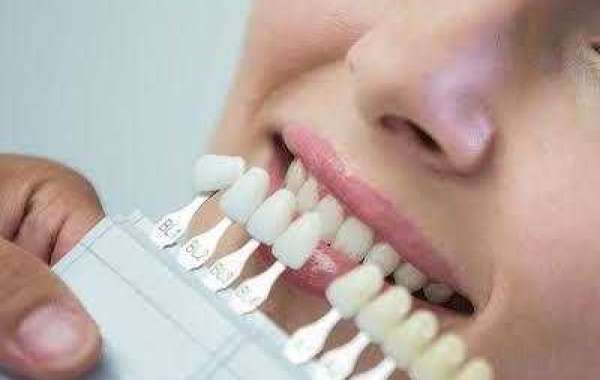

A healthy and attractive smile plays an important role in both oral health and self-confidence. Dental crowns have become one of the most trusted restorative treatments for protecting damaged teeth while restoring their natural appearance and function. Zirconia Crowns in Islamabad have gained remarkable popularity because they combine exceptional strength, natural aesthetics, and long-term reliability. As dental technology continues to advance, many patients wonder whether modern zirconia crowns are truly safe and whether they are the right choice for restoring their smiles. Fortunately, years of clinical research and continuous improvements in dental materials have shown that zirconia crowns are among the safest and most durable restorative options available today.
Understanding Modern Zirconia Crowns
Modern zirconia crowns are dental restorations made from zirconium dioxide, a highly durable ceramic material that is widely used in dentistry because of its outstanding strength and biocompatibility. Unlike traditional porcelain crowns that may chip under heavy pressure or metal crowns that can sometimes create aesthetic concerns, zirconia crowns provide an excellent balance of beauty and durability.Initially, zirconia crowns were primarily chosen for restoring back teeth because their exceptional strength could withstand the high biting forces generated during chewing. However, continuous improvements in manufacturing techniques have made zirconia more translucent, allowing dentists to use them successfully for front teeth as well. Today's zirconia crowns closely resemble natural tooth enamel, making them an excellent choice for patients seeking both functionality and aesthetics.
Why Safety Matters When Choosing Dental Crowns
Every dental restoration remains inside the mouth for many years, making safety one of the most important considerations during treatment planning. Patients naturally want a material that does not cause allergic reactions, irritation, toxicity, or long-term complications.Modern zirconia crowns have earned an excellent safety record because the material has been extensively researched in both dentistry and medicine. Zirconia is considered biologically compatible with human tissues, meaning the body accepts it without causing harmful reactions in the vast majority of patients. This makes zirconia one of the safest restorative materials currently available for dental applications.
The Biocompatibility of Zirconia
One of the strongest reasons behind the growing popularity of zirconia crowns is their remarkable biocompatibility. Biocompatibility refers to a material's ability to exist within the human body without causing harmful biological responses.Zirconia is chemically stable and does not release harmful substances into the surrounding oral tissues. Unlike certain metals that may oxidize or corrode over time, zirconia remains inert inside the mouth. Because of this stability, gum tissues generally respond very well to zirconia restorations.Patients who have metal allergies or sensitivities often prefer zirconia crowns because they contain no metal components. The absence of metal significantly reduces the possibility of allergic reactions, making zirconia an ideal solution for individuals with known metal hypersensitivity.
Exceptional Strength Enhances Long-Term Safety
Safety is not limited to biological compatibility alone. A dental crown must also remain structurally stable during everyday use. A restoration that frequently cracks or fractures can lead to repeated dental procedures and potential complications.Modern zirconia crowns are among the strongest dental restorations available. Their impressive fracture resistance allows them to tolerate substantial chewing forces without breaking easily. This exceptional durability makes them particularly suitable for patients who grind their teeth, have strong bites, or require restorations on molars that experience significant pressure.The strength of zirconia helps reduce the likelihood of crown failure, protecting the underlying tooth and minimizing the need for emergency dental treatment.
Resistance to Wear and Daily Use
Every day, teeth endure constant pressure from chewing, speaking, and grinding. Over time, weaker restorative materials may wear down or lose their shape.Zirconia crowns are highly resistant to wear, allowing them to maintain their original form for many years. Their durable surface helps preserve proper bite alignment while reducing the risk of structural damage.Modern polishing techniques also create an extremely smooth surface that minimizes friction against opposing teeth. When properly polished and adjusted by an experienced dentist, zirconia crowns are considered safe for surrounding teeth and do not typically cause excessive enamel wear.
Minimal Risk of Allergic Reactions
Many patients worry about allergic responses to dental materials. While allergies to certain metals have been reported over the years, zirconia allergies are extremely rare.Since zirconia is a ceramic rather than a metal, it does not trigger the same immune responses associated with nickel, chromium, or other metallic alloys. For this reason, dentists often recommend zirconia crowns for patients with metal sensitivities or those seeking completely metal-free dental restorations.The material's inert nature contributes significantly to its excellent safety profile and long-term success.
Healthy Gum Response
The health of the surrounding gums plays an essential role in the overall success of any dental crown. Poorly tolerated materials can sometimes contribute to inflammation, irritation, or gum discoloration.Modern zirconia crowns are highly compatible with soft tissues. The smooth polished surface discourages plaque accumulation, making it easier for patients to maintain good oral hygiene. Healthy gums are less likely to become inflamed when plaque is minimized.dditionally, zirconia crowns do not produce the dark gray line near the gum margin that sometimes appears with traditional porcelain-fused-to-metal crowns. This improves both aesthetics and periodontal health over time.
Excellent Precision Through Digital Dentistry
Today's zirconia crowns benefit from advanced digital technology that significantly improves treatment safety and accuracy.Many dental clinics now utilize digital scanners and computer-aided design and manufacturing systems to create highly precise restorations. These technologies reduce human error while ensuring that each crown fits accurately over the prepared tooth.A properly fitting crown helps prevent food accumulation, bacterial leakage, and unnecessary pressure on adjacent teeth. This precise fit contributes directly to improved oral health and the long-term safety of the restoration.
Protection Against Tooth Fractures
When a tooth becomes severely weakened by decay, trauma, or large fillings, it becomes vulnerable to cracking under normal chewing forces.A zirconia crown acts as a protective shield by covering the entire visible portion of the damagedtooth. This reinforcement distributes chewing pressure more evenly across the tooth structure, reducing the risk of future fractures.Protecting weakened teeth in this manner helps patients preserve their natural teeth for many years while avoiding more extensive treatments such as extractions or dental implants.
Safe for Long-Term Use
Clinical studies have consistently demonstrated the long-term success of zirconia crowns. Many restorations continue functioning effectively for well over ten to fifteen years when patients maintain good oral hygiene and attend regular dental checkups.Their resistance to corrosion, staining, cracking, and bacterial accumulation makes zirconia one of the most dependable restorative materials available in modern dentistry. Because the material remains stable inside the mouth for extended periods, patients can enjoy both comfort and peace of mind.
Are There Any Risks?
Although zirconia crowns have an excellent safety record, no dental treatment is completely free from potential risks. Improper crown preparation, inaccurate bite adjustment, poor oral hygiene, or inadequate cementation can affect the success of any restoration regardless of the material used.In rare situations, patients may initially experience mild sensitivity after crown placement. This usually resolves as the tooth adapts to the new restoration. If a crown is excessively high, it may create bite discomfort, but this can typically be corrected with a simple adjustment by the dentist.The safety of zirconia crowns therefore depends not only on the material itself but also on proper diagnosis, careful treatment planning, skilled placement, and ongoing patient care.
Ideal Candidates for Zirconia Crowns
Modern zirconia crowns are suitable for a wide range of dental situations. Patients with cracked teeth, severely worn teeth, extensive decay, or teeth that have undergone root canal treatment often benefit greatly from zirconia restorations.Individuals seeking highly aesthetic yet durable restorations frequently choose zirconia because it provides a natural appearance while maintaining outstanding strength. Patients who clench or grind their teeth may also benefit from zirconia due to its superior fracture resistance.Furthermore, those with metal allergies or a preference for metal-free dentistry often find zirconia to be an ideal restorative solution because of its exceptional biological compatibility.
Caring for Zirconia Crowns
Although zirconia crowns are extremely durable, proper maintenance remains essential for ensuring long-term success. Daily brushing with fluoride toothpaste, regular flossing, and routine professional cleanings help keep both the crown and surrounding gums healthy.Patients should avoid using their crowned teeth to open packages, bite extremely hard objects, or chew ice regularly, as excessive force can damage any dental restoration over time. Wearing a custom night guard may also be recommended for individuals who grind their teeth while sleeping.Regular dental examinations allow the dentist to monitor the condition of the crown, surrounding gums, and supporting tooth, helping detect any concerns before they become serious.
Advances Continue to Improve Safety
Modern dental technology continues to enhance the quality and safety of zirconia crowns. New generations of high-translucency zirconia provide even more natural aesthetics without compromising strength. Improved milling systems, digital impressions, and advanced bonding techniques have increased precision while reducing treatment time.Ongoing research continues to refine zirconia materials, making them even more reliable, comfortable, and aesthetically pleasing for patients worldwide.
Conclusion
Modern zirconia crowns have established themselves as one of the safest, strongest, and most reliable restorative options in contemporary dentistry. Their exceptional biocompatibility, impressive fracture resistance, natural appearance, resistance to wear, and compatibility with healthy gum tissues make them an outstanding choice for restoring damaged teeth. Extensive clinical research supports their long-term safety, while advancements in digital dentistry continue to improve their precision and overall performance. Although the success of any dental restoration depends on proper diagnosis, expert placement, and good oral hygiene, zirconia crowns consistently deliver excellent outcomes for patients seeking durable and aesthetically pleasing solutions. For individuals looking to restore both the health and beauty of their smiles, modern zirconia crowns remain a trusted and highly effective treatment option that offers confidence, comfort, and lasting peace of mind.