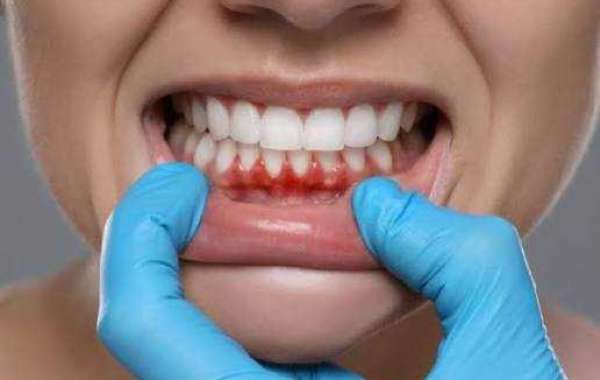

Healthy gums are an essential part of maintaining good oral health, yet many people experience gum bleeding without fully understanding the underlying cause. Bleeding gums are often linked to poor oral hygiene, gum disease, or vitamin deficiencies, but emotional and psychological factors may also contribute to this problem. Gum Bleeding Treatment in Islamabad is becoming increasingly sought after as more people recognize the importance of identifying both the direct and indirect causes of gum problems. While stress itself may not directly cause gums to bleed, it can significantly influence oral health by weakening the body's natural defenses, encouraging unhealthy habits, and increasing the risk of gum disease. Understanding the relationship between stress and bleeding gums is essential for protecting both your oral and overall well-being.
Understanding Bleeding Gums
Bleeding gums occur when the gum tissues become inflamed, irritated, or damaged. Healthy gums should remain firm, pink, and should not bleed during brushing or flossing. If bleeding occurs regularly, it is usually an indication that something is affecting the health of the gums. In many cases, plaque buildup around the teeth leads to gingivitis, which is the earliest stage of gum disease. If left untreated, gingivitis can progress into periodontitis, a more severe infection that damages the gums, supporting tissues, and jawbone.Although bacteria are the primary cause of gum disease, several lifestyle and medical factors can make the condition worse. Hormonal changes, smoking, diabetes, poor nutrition, certain medications, and chronic stress all play important roles in gum health. Because stress affects multiple systems within the body, its impact on oral health should not be overlooked.
How Stress Affects the Body?
Stress is the body's natural response to physical or emotional challenges. During stressful situations, the body releases hormones such as cortisol and adrenaline that prepare it to react quickly. While this response is helpful in short-term situations, prolonged or chronic stress can negatively affect the immune system, cardiovascular health, digestive system, and oral tissues.When stress continues for an extended period, elevated cortisol levels suppress immune function, making it harder for the body to fight infections. As a result, harmful bacteria in the mouth can multiply more easily, increasing inflammation in the gums. Reduced immunity also slows healing, allowing minor gum irritation to become more severe over time.
Can Stress Really Cause Bleeding Gums?
Stress does not directly make the gums bleed in the same way that plaque or trauma does. However, it creates conditions that make bleeding gums much more likely to develop. Chronic stress weakens the body's defenses against bacterial infections, allowing inflammation to progress more rapidly. As inflammation increases, the gums become swollen, tender, and more likely to bleed during brushing or flossing.People experiencing high levels of stress often neglect their daily oral hygiene routines. They may brush less frequently, floss inconsistently, or postpone dental appointments. These behavioral changes allow plaque and bacteria to accumulate, increasing the risk of gingivitis and gum bleeding. Therefore, while stress may not be the immediate cause, it is a significant contributing factor that can accelerate gum disease.
The Link Between Stress and Gum Disease
Researchers have found that individuals living with chronic stress are more likely to experience periodontal disease compared to those with lower stress levels. This connection exists because stress influences both the immune response and personal health behaviors.Inflamed gums provide an environment where bacteria thrive. When stress suppresses immune function, the body's ability to control bacterial growth decreases. Over time, the persistent inflammation damages gum tissues and supporting bone. This explains why people under prolonged emotional strain often notice increased gum sensitivity, swelling, persistent bad breath, and bleeding while brushing.Stress-related gum disease may also heal more slowly after dental procedures, making professional treatment even more important for maintaining oral health.
Stress-Related Habits That Harm Gum Health
Stress often leads to habits that indirectly damage the gums. Many individuals consume sugary snacks, soft drinks, or processed foods when feeling anxious or overwhelmed. These foods encourage bacterial growth and increase plaque formation around the teeth.Some people smoke more frequently during stressful periods. Smoking restricts blood flow to the gums, weakens the immune response, and significantly increases the risk of periodontal disease. Others grind or clench their teeth, a condition known as bruxism, which places excessive pressure on the supporting tissues surrounding the teeth. Although grinding itself may not cause bleeding gums, it can worsen inflammation and contribute to overall oral discomfort.Stress can also reduce saliva production, causing dry mouth. Saliva plays an essential role in washing away bacteria and neutralizing harmful acids. Reduced saliva allows bacteria to multiply more easily, increasing the likelihood of gum infections and bleeding.
Signs That Stress May Be Affecting Your Oral Health
People experiencing chronic stress may notice several oral symptoms beyond bleeding gums. Persistent bad breath, swollen gums, mouth sores, dry mouth, jaw pain, headaches from teeth grinding, and increased tooth sensitivity are all possible indicators that stress is impacting oral health. Some individuals may also experience delayed healing following dental procedures or recurrent gum infections despite maintaining reasonable oral hygiene.Recognizing these warning signs early allows patients to seek professional dental care before more serious complications develop.
Preventing Stress-Related Gum Problems
Protecting gum health requires addressing both oral hygiene and stress management. Brushing twice daily with fluoride toothpaste and using a soft-bristled toothbrush helps remove plaque without damaging sensitive gums. Daily flossing removes bacteria from between the teeth where brushing cannot reach.Regular professional dental cleanings are equally important because hardened plaque cannot be removed by brushing alone. Dentists can identify early signs of gum disease and recommend personalized treatment before permanent damage occurs.Managing stress also plays an important role in protecting oral health. Regular exercise, adequate sleep, healthy nutrition, mindfulness practices, meditation, and relaxation techniques help reduce cortisol levels and strengthen immune function. Drinking enough water supports saliva production and helps keep the mouth naturally clean.Individuals who grind their teeth during sleep may benefit from wearing a custom night guard prescribed by their dentist to protect both teeth and gum tissues.
Professional Treatment for Bleeding Gums
If bleeding gums continue for more than a few days or occur regularly, professional dental evaluation is essential. A dentist will carefully examine the gums, measure periodontal pockets, assess plaque buildup, and determine whether gingivitis or periodontitis is present. Depending on the severity of the condition, treatment may include professional scaling, root planing, antibacterial mouth rinses, improved oral hygiene instructions, or advanced periodontal therapy.When stress is identified as a contributing factor, dentists may also recommend lifestyle modifications alongside dental treatment. Addressing both the physical infection and emotional stress improves long-term treatment outcomes and reduces the likelihood of future gum problems.Patients should never ignore persistent gum bleeding, as early treatment is far more effective than managing advanced gum disease after permanent tissue damage has occurred.
Why Early Intervention Matters?
Many people mistakenly believe that bleeding gums are normal, especially during brushing. In reality, healthy gums should not bleed regularly. Early inflammation is reversible when treated promptly, but untreated gum disease can eventually destroy the supporting bone around the teeth, resulting in loose teeth or tooth loss.Seeking timely professional care not only preserves oral health but also benefits overall health. Gum disease has been associated with several systemic conditions, including heart disease, diabetes, and adverse pregnancy outcomes. Maintaining healthy gums therefore contributes to overall physical well-being.
Conclusion
Stress may not directly cause bleeding gums, but it creates an environment where gum disease can develop more easily. By weakening the immune system, encouraging poor oral hygiene habits, increasing inflammation, and promoting unhealthy behaviors such as smoking or teeth grinding, chronic stress significantly raises the risk of bleeding gums. Recognizing the connection between emotional health and oral health allows individuals to take preventive steps before serious complications arise. Maintaining excellent oral hygiene, managing stress effectively, eating a balanced diet, and visiting a qualified dentist regularly are the best ways to protect gum health.