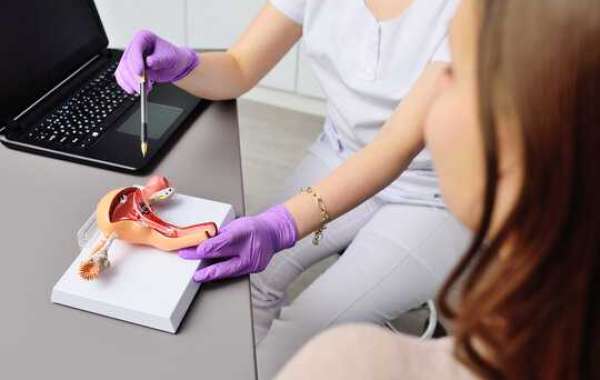

Hymenoplasty in Islamabad is a surgical procedure designed to reconstruct or repair the hymen, offering women both physical and emotional benefits. While the surgery is generally safe and minimally invasive when performed by a qualified surgeon, it is still important to be aware of potential risks and complications. Understanding these factors helps women make informed decisions, follow proper post-operative care, and ensure optimal outcomes. This guide provides a detailed overview of the risks, common complications, preventive measures, and answers frequently asked questions.
Understanding the Risks of Hymenoplasty
Like any surgical procedure, hymenoplasty carries certain risks. Most of these are minor and manageable when proper care is followed, but awareness is essential for safe recovery. The risks generally depend on factors such as overall health, surgical technique, adherence to post-operative guidelines, and the surgeon’s expertise.
1. Infection
Infection is one of the most common risks after any surgical procedure.
Symptoms may include redness, swelling, warmth, foul-smelling discharge, or fever.
Preventive measures include maintaining hygiene, following antibiotic prescriptions, and avoiding contaminated water sources such as swimming pools during recovery.
2. Bleeding and Hematoma
Minor bleeding or spotting is normal in the first few days, but excessive bleeding is a potential complication.
Hematoma, or localized blood collection under the tissue, can occur rarely.
Close monitoring during the initial recovery phase and prompt consultation with your surgeon can prevent serious complications.
3. Swelling and Pain
Mild swelling and tenderness are expected after hymenoplasty.
Persistent or severe pain beyond the initial healing period may indicate complications or infection.
Taking prescribed pain medications and following post-operative care reduces these risks.
4. Scarring
Improper healing, tension on the stitches, or infection can result in noticeable scarring.
Most scarring is minimal with modern techniques, but careful post-operative care ensures optimal cosmetic outcomes.
5. Stitch-Related Issues
Dissolvable stitches may occasionally cause irritation or delayed absorption.
Non-dissolvable stitches require removal at the appropriate time to prevent complications.
Following the surgeon’s advice regarding stitch care is crucial.
6. Allergic Reactions
Rarely, patients may experience allergic reactions to anesthesia, medications, or surgical materials.
Pre-surgery assessment and disclosure of allergies to the surgeon help prevent adverse reactions.
7. Unsatisfactory Results
If the hymen is not reconstructed symmetrically or natural appearance is not achieved, additional corrective procedures may be needed.
Setting realistic expectations and selecting a skilled surgeon reduces this risk.
8. Emotional or Psychological Concerns
Some women may experience anxiety, stress, or emotional sensitivity during recovery.
Emotional preparedness and counseling support can help manage psychological effects.
Factors That Increase Risks
Certain conditions or behaviors can increase the likelihood of complications:
Poor Overall Health: Chronic illnesses, weakened immunity, or uncontrolled medical conditions.
Active Infections: Vaginal infections or sexually transmitted diseases at the time of surgery.
Smoking or Alcohol Consumption: Both slow down healing and increase the risk of complications.
Non-Adherence to Post-Operative Care: Ignoring hygiene instructions, activity restrictions, or follow-up appointments.
Unqualified Surgeons: Lack of expertise can result in higher complication rates or unsatisfactory results.
Preventive Measures
Women can minimize the risks and complications of hymenoplasty by following these preventive measures:
Choose a Qualified Surgeon: Ensure the procedure is performed by an experienced and certified surgeon.
Pre-Surgery Evaluation: Complete all recommended medical assessments and disclose your medical history.
Follow Hygiene Guidelines: Clean the surgical area gently and avoid harsh products.
Take Prescribed Medications: Antibiotics and painkillers prescribed by your surgeon help prevent infection and manage discomfort.
Avoid Smoking and Alcohol: Both can interfere with tissue healing and increase risks.
Follow Activity Restrictions: Avoid sexual activity, swimming, and strenuous exercise until cleared by your surgeon.
Attend Follow-Up Appointments: Regular check-ups ensure any complications are detected and addressed promptly.
Recognizing Complications Early
Being aware of early warning signs allows prompt intervention:
Persistent or severe pain beyond the expected healing period
Excessive bleeding or blood clots
Redness, swelling, or foul-smelling discharge
Fever or malaise
Allergic reactions or unusual rashes
Immediate consultation with your surgeon ensures that minor issues do not escalate into serious complications.
Recovery Tips to Reduce Risks
Rest Adequately: Proper sleep and limited physical activity promote faster healing.
Maintain a Balanced Diet: Nutrient-rich foods help tissue repair.
Stay Hydrated: Water aids overall recovery and reduces the risk of complications.
Wear Loose Clothing: Prevents friction and irritation at the surgical site.
Monitor Symptoms: Keep track of changes and report any concerns to your surgeon immediately.
Frequently Asked Questions (FAQs)
Q1: Is hymenoplasty a risky procedure?
A1: When performed by a qualified surgeon and with proper post-operative care, hymenoplasty is generally safe. Risks are minimal and manageable.
Q2: What are the most common complications?
A2: Infection, minor bleeding, swelling, stitch-related issues, and mild scarring are the most common, typically resolving with proper care.
Q3: Can complications affect sexual health?
A3: Rarely, complications may affect healing, but long-term sexual health is generally not impacted when surgery is done correctly.
Q4: How can I prevent infection after surgery?
A4: Follow hygiene guidelines, take prescribed antibiotics if recommended, avoid swimming pools, and maintain clean clothing.
Q5: What should I do if I notice unusual symptoms?
A5: Contact your surgeon immediately for assessment and treatment. Early intervention prevents major complications.
Q6: Can emotional stress impact recovery?
A6: Yes, emotional stress can affect healing. Support, counseling, and proper preparation can reduce anxiety during recovery.
Q7: Is it possible to redo the procedure if results are unsatisfactory?
A7: Yes, corrective hymenoplasty may be performed if necessary, but it is usually avoided with proper planning and an experienced surgeon.
Understanding the potential risks and complications of Hymenoplasty in Islamabad allows women to make informed decisions and take the necessary precautions. With careful selection of a qualified surgeon, adherence to pre- and post-operative guidelines, and prompt attention to warning signs, women can enjoy safe surgery, smooth recovery, and satisfactory results. For professional care, advanced surgical techniques, and complete privacy, SKN Cosmetics is a trusted clinic providing expert hymenoplasty services in Islamabad.