
The nasal surgery of yesterday carries a reputation that still lingers in the minds of many patients. They imagine painful nasal packing, prolonged black eyes, weeks of misery, and a crude, over-resected nose.
This is not the reality of nasal surgery today. The field has been quietly revolutionized by technology, refined technique, and a philosophy of tissue preservation. A septoplasty and turbinate reduction in Dubai today is a vastly different experience from the procedures of even a generation ago.
Today's surgery is precise, tissue-sparing, and recovery-focused. It is designed not just to open the airway, but to do so with minimal trauma, minimal discomfort, and a rapid return to normal life. This is the modern reality of functional nasal surgery.
The Technological Revolution in Today's Surgery
The operating room of today is a digital, high-technology environment. The tools available to the modern sinus and nasal surgeon have transformed the precision and safety of the procedure.
The Nasal Endoscope
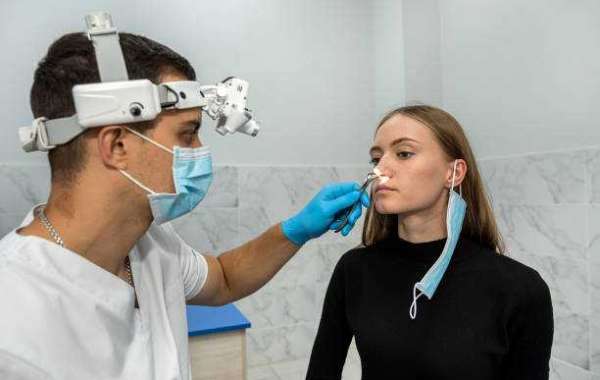
Today, septoplasty and turbinate surgery are performed under high-definition, magnified visualization using rigid nasal endoscopes. The surgeon no longer relies on a simple headlight and naked-eye view. The endoscope provides a brilliantly lit, magnified, wide-angle view deep inside the nasal cavity. This allows for more precise dissection, better identification of anatomical landmarks, and a more accurate correction.
The Microdebrider
The microdebrider is a powered, rotary shaver with integrated suction. It has become the standard instrument for modern turbinate reduction. It allows the surgeon to precisely and incrementally remove soft tissue from within the turbinate shell while preserving the surface mucosa. This level of controlled, tissue-sparing reduction was not possible with older techniques.
Piezoelectric Surgery
Some surgeons have adopted piezoelectric technology for the bony portions of the septoplasty. This device uses ultrasonic micro-vibrations to cut bone without damaging the surrounding soft tissue. It is particularly useful for delicate work around the skull base and offers an additional margin of safety.
These technologies, placed in skilled hands, have elevated the procedure to a new standard of precision.
The Philosophy of Tissue Preservation
The most important shift in today's approach is not a specific tool, but a philosophy. The goal of modern functional nasal surgery is to preserve as much normal, healthy tissue as possible.
In the past, the approach was often more radical. Large sections of the septum were resected. Turbinates were crudely trimmed or even fully removed. This could lead to complications like septal perforation, a saddle-nose deformity, or the devastating empty nose syndrome.
Today's philosophy is conservative and reconstructive.
Septal Cartilage Preservation: The surgeon straightens the septum, using techniques like scoring and suture fixation, and resects only the irreversibly deformed portions. An L-shaped strut of dorsal and caudal cartilage is always preserved to maintain the structural integrity of the nose.
Mucosal Preservation: The mucosal lining over the septum and turbinates is treated with the utmost respect. It is gently elevated and carefully preserved. No mucosa is sacrificed unnecessarily.
Submucous Turbinate Reduction: The bulk of the turbinate is reduced from within, leaving the functional surface lining intact and unharmed.
This philosophy of "do no harm" and "preserve the physiology" is the defining characteristic of excellent nasal surgery today. It is what makes the procedure both more effective and safer.
Today's Recovery: Faster and More Comfortable
The modern surgical approach translates directly to a better recovery experience for the patient. The recovery today is not the ordeal that patients may fear.
Nasal Packing: Largely a Thing of the Past
The most dreaded aspect of old nasal surgery was the removal of long, painful, gauze nasal packs. Today, these are almost never used. Instead, thin, soft, silicone splints are placed. These splints have a small airway channel and are much more comfortable to wear and remove. In some cases, no splints are used at all, only internal dissolving sutures.
Reduced Pain and Bruising
The gentle, precise, endoscopic technique causes less tissue trauma. Less tissue trauma means less post-operative pain. Most patients today manage their discomfort with simple oral analgesics. Significant external bruising around the eyes is also less common than it was with older, more traumatic techniques.
Accelerated Healing
By preserving the mucosa and minimizing tissue injury, the modern technique sets the stage for faster biological healing. Patients are encouraged to start gentle saline irrigations early, which further cleanses the surgical site, reduces crusting, and promotes rapid healing. The timeline to feeling "back to normal" is significantly shorter today.
The Modern Patient Journey: Informed and Supported
The experience of undergoing nasal surgery today is also transformed by the patient care model. Today's patient is an informed, active participant in their own care.
The journey begins with a thorough, diagnostic consultation. The patient is shown their own endoscopic images and CT scans. The problem is visualized and explained. The surgical plan is personalized and transparent.
After surgery, the patient receives clear, detailed aftercare instructions. They are equipped with saline rinse kits and taught how to use them. The surgical team is accessible for questions and concerns. Follow-up visits are structured to monitor healing, clear crusts, and ensure the airway is maturing perfectly.
This supported, communicative, and transparent patient journey is a hallmark of modern surgical care. It reduces anxiety, empowers the patient, and contributes to a more positive overall experience.
Conclusion
The functional nasal surgery of today is a testament to surgical progress. It is a procedure defined by high-definition visualization, tissue-sparing technique, a philosophy of preservation, and a commitment to a smoother, more comfortable patient experience. The results are better, and the journey is kinder. To experience the benefits of this modern, patient-centric approach to nasal breathing surgery, Tajmeels Clinic offers the state-of-the-art care that defines the standard of treatment today.
FAQs
1. Is nasal packing still used after septoplasty today?
Traditional long gauze packing is almost never used in modern practice. Most surgeons today use thin, soft silicone splints that are much more comfortable, or in select cases, no packing at all, relying on internal dissolving quilting sutures.
2. How has turbinate surgery changed for the better?
The main change is the shift from destructive surface techniques (like full turbinectomy or surface cautery) to tissue-sparing, submucous techniques. Today, the surgeon reduces the deep tissue from within, preserving the healthy, functional surface lining, leading to a better outcome and a lower risk of complications.
3. Is the recovery time shorter with modern techniques?
Yes. The combination of less traumatic endoscopic techniques, tissue-sparing philosophy, and the absence of heavy packing generally leads to a faster, less painful, and more comfortable recovery compared to historical nasal surgery.
4. Does the modern surgery still involve chisels and hammers?
For the bony portions of a septal deviation, small, precise osteotomes (a type of chisel) may still be used, sometimes with a mallet. However, many surgeons now use piezoelectric ultrasonic saws for the bone work, which is a far more gentle and precise tool than a traditional hammer and chisel.
5. Is computer navigation used in today's septoplasty?
Image-guided surgical navigation, using the pre-operative CT scan, is available in some advanced centers. It is generally used for complex revision cases, severe trauma, or sinus surgery where the normal anatomical landmarks are distorted, providing an additional layer of safety for the surgeon.