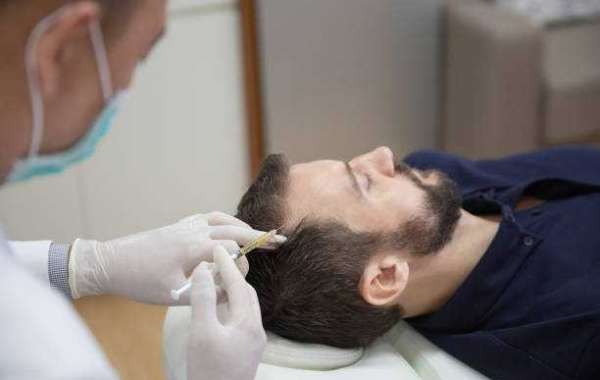

Hair loss can be challenging, and patients seeking restoration often wonder whether prp treatment in riyadh or hair transplants are the better choice. Both options offer unique benefits and limitations. Understanding the differences, advantages, and disadvantages can help you make an informed decision about which treatment suits your hair restoration goals.
What Is PRP Hair Treatment?
PRP (Platelet-Rich Plasma) uses your own blood’s platelets, rich in growth factors, to stimulate hair follicles naturally. It is a non-surgical, minimally invasive procedure that strengthens existing hair and promotes new growth.
Pros of PRP
Non-Surgical: No incisions, stitches, or long recovery time
Natural: Uses your own blood, minimizing allergic reactions
Quick Recovery: Minimal downtime, allowing immediate return to daily activities
Early Intervention: Effective for early to moderate hair thinning
Safe for Both Genders: Suitable for men and women
Cons of PRP
Gradual Results: Visible improvement may take 3–6 months
Limited for Complete Baldness: Less effective where follicles are inactive or destroyed
Requires Multiple Sessions: Maintenance sessions are needed to sustain results
Variable Response: Individual results may vary based on age, genetics, and hair loss stage
What Is a Hair Transplant?
Hair transplants involve surgically moving hair follicles from a donor site (usually the back of the scalp) to thinning or bald areas. Techniques include FUT (Follicular Unit Transplant) and FUE (Follicular Unit Extraction).
Pros of Hair Transplants
Permanent Solution: Transplanted hair is generally permanent
Immediate Density: Provides noticeable density in treated areas
Can Treat Advanced Baldness: Effective even in areas with no active follicles
Customizable: Can target specific areas for optimal aesthetic results
Cons of Hair Transplants
Surgical Procedure: Involves incisions, sutures (for FUT), and longer recovery
Higher Cost: More expensive than PRP
Potential Side Effects: Swelling, redness, infection, or scarring
Not Natural Stimulation: Does not enhance the health of existing follicles; primarily relocates hair
Combination Therapy
In some cases, PRP and hair transplants are used together:
PRP enhances transplanted hair growth and recovery
Improves scalp health around transplanted areas
Reduces shedding and strengthens existing follicles
This synergistic approach can maximize overall hair restoration results.
Final Thoughts
Both PRP and hair transplants offer unique advantages. PRP Hair Treatment in Riyadh is ideal for patients with early-stage thinning or those seeking a natural, non-surgical solution. Hair transplants are best for advanced hair loss where permanent density is desired. Choosing the right option depends on your stage of hair loss, goals, and personal preferences.
For a professional evaluation and a tailored hair restoration plan, book your consultation at Royal Clinic Saudia today. Their specialists provide expert guidance on whether PRP, hair transplant, or a combination approach is best for your needs.
FAQs:
Is PRP effective for complete baldness?
PRP is less effective in areas where follicles are inactive or destroyed; hair transplants may be needed.
Do hair transplants provide immediate results?
Transplants provide density in the scalp, but new hair growth takes several months to fully appear.
Can PRP and hair transplants be combined?
Yes, PRP can enhance transplant outcomes by stimulating growth and improving scalp health.
Which is safer: PRP or hair transplants?
PRP is minimally invasive with very low risk, while transplants carry surgical risks but are generally safe when performed by experts.