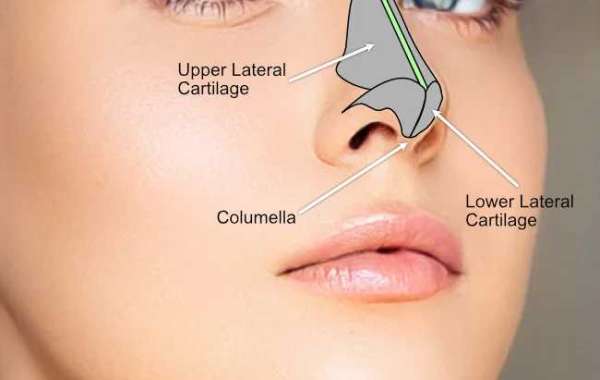

Many people experience occasional nasal congestion due to colds or allergies, but when breathing problems become constant, the underlying cause may be more than temporary inflammation. One of the most common structural causes of long-term nasal obstruction is a deviated septum. When the septum is significantly displaced, it can interfere with normal airflow and affect your quality of life.
For individuals with persistent breathing difficulties, Septoplasty in Islamabad may be recommended to correct the internal structure of the nose and improve airflow. However, not everyone with a deviated septum requires surgery. Recognizing the signs that indicate a medical evaluation is needed can help you decide when to seek professional advice.
This article explains the common symptoms of a deviated septum, when septoplasty may be appropriate, and what you can expect from treatment.
What Is a Deviated Septum?
The nasal septum is the wall made of cartilage and bone that separates the left and right sides of the nose.
Ideally, the septum sits close to the center of the nose, allowing air to flow evenly through both nostrils. However, some people are born with a crooked septum, while others develop one after a nasal injury.
A deviated septum can narrow one or both nasal passages, making breathing difficult and increasing the likelihood of other nasal problems.
Why Does a Deviated Septum Cause Symptoms?
When the septum blocks part of the nasal airway, airflow becomes restricted. This can force you to breathe through your mouth, reduce sleep quality, and make physical activities more difficult.
The symptoms vary depending on the severity of the deviation, but they often become more noticeable during allergy seasons or respiratory infections.
Persistent Nasal Blockage
One of the most common signs that you may need septoplasty is ongoing nasal blockage.
Unlike temporary congestion caused by a cold, structural blockage often remains for months or even years.
You may notice:
- One nostril always feels blocked
- Difficulty breathing through the nose
- Nasal congestion that does not improve with medication
If breathing remains difficult despite treatment, a deviated septum may be responsible.
Difficulty Breathing Through the Nose
Many people with a deviated septum struggle to breathe comfortably through one side of the nose.
This may become more noticeable:
- During exercise
- While sleeping
- When lying on one side
- During allergy flare-ups
Improving airflow is one of the main goals of Septoplasty in Islamabad.
Frequent Sinus Infections
Poor airflow and reduced sinus drainage may increase the risk of recurring sinus infections.
Symptoms may include:
- Facial pressure
- Thick nasal discharge
- Headaches
- Nasal congestion
- Repeated infections throughout the year
If sinus problems continue despite appropriate treatment, your doctor may investigate whether a deviated septum is contributing to the issue.
Chronic Mouth Breathing
When nasal breathing becomes difficult, many people unconsciously begin breathing through their mouth.
Long-term mouth breathing may lead to:
- Dry mouth
- Sore throat
- Bad breath
- Sleep discomfort
Correcting the nasal obstruction may help restore more natural breathing patterns.
Loud Snoring
Although snoring has many possible causes, nasal obstruction can make it worse.
A deviated septum may reduce airflow during sleep, contributing to:
- Noisy breathing
- Snoring
- Restless sleep
While septoplasty is not a treatment for every sleep disorder, it may help if nasal blockage is a contributing factor.
Poor Sleep Quality
Difficulty breathing through the nose can interfere with restful sleep.
People with significant nasal obstruction may experience:
- Frequent waking during the night
- Feeling tired in the morning
- Difficulty sleeping comfortably
- Reduced energy during the day
Improved nasal airflow may support better sleep for suitable candidates.
Nosebleeds
A deviated septum may expose certain areas of the nasal lining to increased airflow, leading to dryness.
Dry nasal tissues can become irritated and bleed more easily.
Frequent nosebleeds, especially when combined with nasal blockage, may indicate a structural issue.
Difficulty During Exercise
Exercise increases the body's need for oxygen.
People with restricted nasal airflow may notice:
- Difficulty breathing during physical activity
- Reduced endurance
- Increased mouth breathing
- Feeling uncomfortable during workouts
If nasal obstruction limits your activity, an ENT evaluation may be beneficial.
Symptoms That Do Not Improve With Medication
Many patients first try:
- Nasal sprays
- Allergy medications
- Decongestants
- Saline rinses
These treatments can reduce inflammation but cannot straighten a deviated septum.
If symptoms persist despite appropriate medical care, surgery may be considered.
Who Is a Good Candidate for Septoplasty?
You may be a suitable candidate if you:
- Have a confirmed deviated septum
- Experience long-term breathing problems
- Have symptoms affecting daily life
- Are generally in good health
- Have realistic expectations about surgery
A detailed consultation is necessary before deciding on treatment.
How Is the Condition Diagnosed?
An ENT specialist will perform a thorough examination to determine the cause of your symptoms.
This may include:
- Reviewing your medical history
- Examining the inside of the nose
- Assessing airflow
- Performing nasal endoscopy if needed
- Recommending imaging in certain cases
A proper diagnosis ensures that the treatment plan matches your condition.
Benefits of Septoplasty
For suitable patients, septoplasty can provide lasting improvements.
Potential benefits include:
Improved Nasal Breathing
Correcting the septum allows better airflow through both nasal passages.
Better Sleep
Improved breathing can reduce nighttime discomfort and support more restful sleep.
Fewer Sinus Problems
Better airflow and drainage may decrease the frequency of recurring sinus infections.
Improved Quality of Life
Many patients experience greater comfort during work, exercise, and everyday activities.
Choosing the Right Clinic
Successful treatment depends on expert evaluation and surgical care.
Patients should choose a clinic that offers:
- Experienced ENT specialists
- Modern diagnostic equipment
- Personalized treatment plans
- Advanced surgical techniques
- Comprehensive follow-up care
Professional guidance helps ensure safe treatment and long-term success.
Final Thoughts
Recognizing the signs that you may need Septoplasty in Islamabad is the first step toward improving your breathing and overall quality of life. Persistent nasal blockage, chronic mouth breathing, repeated sinus infections, snoring, and difficulty breathing during exercise may all indicate a deviated septum that requires medical evaluation.
A consultation with an experienced ENT specialist can determine whether your symptoms are caused by a structural problem and whether septoplasty is the right solution. With proper diagnosis and treatment, many patients experience lasting relief and significantly improved nasal function.
If you are considering Septoplasty in Islamabad, Enfield Royal Clinics provides expert ENT consultations, advanced surgical care, and personalized treatment plans to help patients breathe more comfortably and enjoy long-term improvements in nasal health.