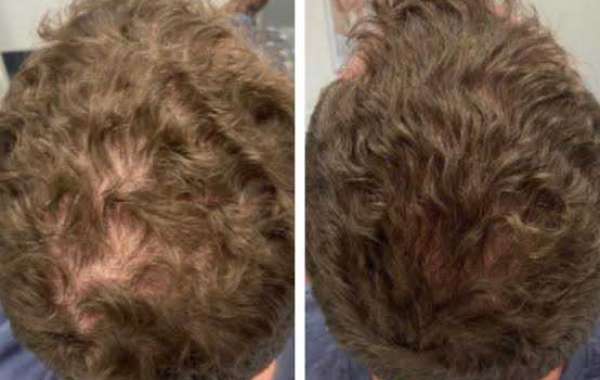

Hair loss is a common concern that affects both men and women. Whether caused by genetics, aging, hormonal changes, stress, or certain medical conditions, thinning hair can have a significant impact on self-confidence. While traditional treatments such as medications and hair transplant surgery remain popular, regenerative medicine has introduced new options, including Exosome Therapy.
Exosome therapy is an emerging treatment that aims to support the body's natural healing processes and create a healthier environment for hair follicles. Although research is ongoing, many clinics now offer exosome-based treatments as part of comprehensive hair restoration programs.
What Is Exosome Therapy?
Exosome therapy uses microscopic extracellular vesicles called exosomes. These naturally occurring particles carry proteins, lipids, growth factors, and signaling molecules that help cells communicate with one another.
In hair restoration, exosome products are applied or administered according to a clinician's protocol to support scalp health and encourage normal hair follicle function.
How Does Exosome Therapy Work for Hair Loss?
Healthy hair follicles rely on a supportive scalp environment and normal cellular activity. Exosomes contain signaling molecules that may help regulate communication between cells involved in tissue repair and regeneration.
Although the exact mechanisms are still being studied, exosome therapy may:
- Support healthier hair follicles
- Encourage natural tissue repair
- Improve the scalp environment
- Reduce inflammation around hair follicles
- Promote healthier-looking hair over time
The treatment does not instantly regrow hair. Instead, it works gradually as part of the body's natural biological processes.
Who May Benefit from Exosome Therapy?
Exosome therapy may be suitable for individuals who:
- Have early-stage hair thinning
- Experience mild to moderate hair loss
- Want a non-surgical treatment option
- Wish to complement other hair restoration treatments
- Are looking to improve overall scalp health
A consultation with a qualified healthcare provider is necessary to determine whether exosome therapy is appropriate for your specific condition.
Common Causes of Hair Loss
Understanding the underlying cause of hair loss is essential before starting treatment.
Common causes include:
- Genetic pattern hair loss
- Hormonal changes
- Aging
- Stress
- Nutritional deficiencies
- Certain medications
- Medical conditions affecting the scalp
Your provider may recommend additional tests or treatments depending on the cause of your hair loss.
Treatment Procedure
The exact treatment method varies by clinic and the type of exosome product used.
A typical appointment may include:
Initial Consultation
Your healthcare provider evaluates your scalp, reviews your medical history, and discusses your treatment goals.
Scalp Preparation
The treatment area is cleaned, and a numbing cream may be applied if needed.
Exosome Delivery
Depending on the treatment protocol, exosomes may be used alongside procedures such as microneedling or delivered using other physician-approved techniques.
Most sessions take approximately 30 to 60 minutes.
Benefits of Exosome Therapy
Potential benefits may include:
- Support for healthier hair follicles
- Improved scalp condition
- Reduced hair shedding in some individuals
- Increased hair thickness over time
- Non-surgical treatment
- Minimal downtime
- Convenient outpatient procedure
Results vary significantly between individuals and depend on factors such as the cause of hair loss and the overall treatment plan.
Recovery and Aftercare
Recovery is usually quick.
Patients may experience:
- Mild scalp redness
- Temporary tenderness
- Slight swelling
These effects generally resolve within a few days.
Your provider may recommend:
- Avoiding strenuous exercise for 24–48 hours
- Keeping the scalp clean
- Avoiding harsh hair products temporarily
- Following all aftercare instructions
Proper aftercare supports healing and treatment outcomes.
When Will You See Results?
Hair growth follows a natural cycle, so visible changes take time.
Some patients notice reduced hair shedding within a few weeks, while improvements in hair density and thickness may become noticeable after several months.
Multiple treatment sessions are often recommended to achieve the best possible results.
Are There Any Risks?
When performed by qualified healthcare professionals using appropriate protocols, exosome therapy is generally well tolerated.
Possible temporary side effects include:
- Mild redness
- Tenderness
- Temporary scalp sensitivity
- Minor swelling
As with any medical procedure, there is a small risk of infection if sterile techniques are not followed.
Because exosome products differ in their source and regulatory approval depending on the country, patients should ask their provider about the specific product being used.
Exosome Therapy vs. Other Hair Loss Treatments
Exosome therapy may be used alone or alongside other treatments such as:
- Platelet-Rich Plasma (PRP)
- Prescription medications
- Hair transplant surgery
- Microneedling
The most suitable treatment depends on the cause and severity of hair loss, as well as your overall health and treatment goals.
Conclusion
Exosome therapy is an exciting development in regenerative medicine that may help support healthier hair and improve scalp conditions for some individuals experiencing hair thinning. While early clinical research is promising, more studies are needed to fully understand its long-term effectiveness and ideal use.
If you're considering exosome therapy for hair loss, consult a qualified healthcare professional. A thorough evaluation will help determine the underlying cause of your hair loss and whether exosome therapy should be included as part of a personalized hair restoration plan.